Trump Rejects Iran's Peace Terms as Hormuz Standoff Pushes Oil Higher and Crypto Lower
رد پیشنهاد صلح ایران توسط ترامپ و تداوم تنش در هرمز؛ نفت اوج گرفت، بیتکوین ریخت
Tensions in the Middle East escalate as Donald Trump rejects Tehran's latest peace proposal, while the ongoing Strait of Hormuz blockade sends oil prices to a three-week high, rattling global markets and dragging Bitcoin below $77,000.
At time of publishing
USD
159,950
Toman
Gold 18K
18.24M
Toman / gram
Bitcoin
$76,938
US Dollar
Tether
15,981.5
Toman
Market Open — Stability in Tehran, Turbulence in Crypto
Good morning. As we start this Tuesday, the domestic market in Tehran remains in a state of cautious observation. The US Dollar (USD/IRR) stayed flat at 159,950 Tomans, showing that despite the geopolitical noise, the local currency market has already priced in a significant amount of risk. Gold 18k also held steady at 18,244,378 Tomans per gram. However, the Emami coin saw a slight uptick, rising 0.8% to reach 183,000,000 Tomans, suggesting that local investors are still seeking the safety of hard assets as regional headlines remain volatile.
In the global space, the story is quite different. Bitcoin (BTC) has slipped below the $77,000 mark, trading at $76,938—a 2.4% drop over the last 24 hours. This decline is largely attributed to a 'risk-off' sentiment as the standoff in the Strait of Hormuz continues to intensify. While crypto traders are selling, oil traders are buying; Brent crude has extended its rally for a seventh straight day, hitting a three-week high. For the Iranian reader, this means the 'geopolitical premium' is back in full force, affecting everything from global transport costs to the digital assets in your wallet.
Trump Rejects Peace Proposal: The Standoff Deepens
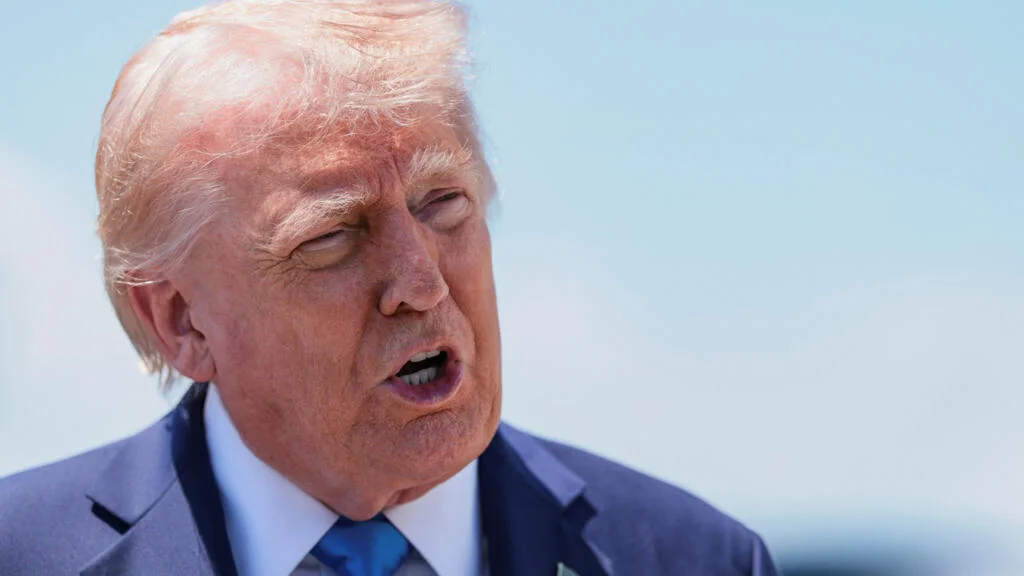
The single most impactful story overnight is the breakdown in potential diplomacy between Washington and Tehran. US President Donald Trump has reportedly rejected Iran's latest proposal aimed at ending the current conflict. According to US officials, the sticking point is Tehran's desire to decouple the war from its nuclear program—essentially asking to resolve shipping and regional disputes in the Gulf first, while leaving nuclear discussions for a later date. Trump, true to his 'maximum pressure' roots, appears unwilling to grant any concessions without a comprehensive deal that includes the nuclear file.
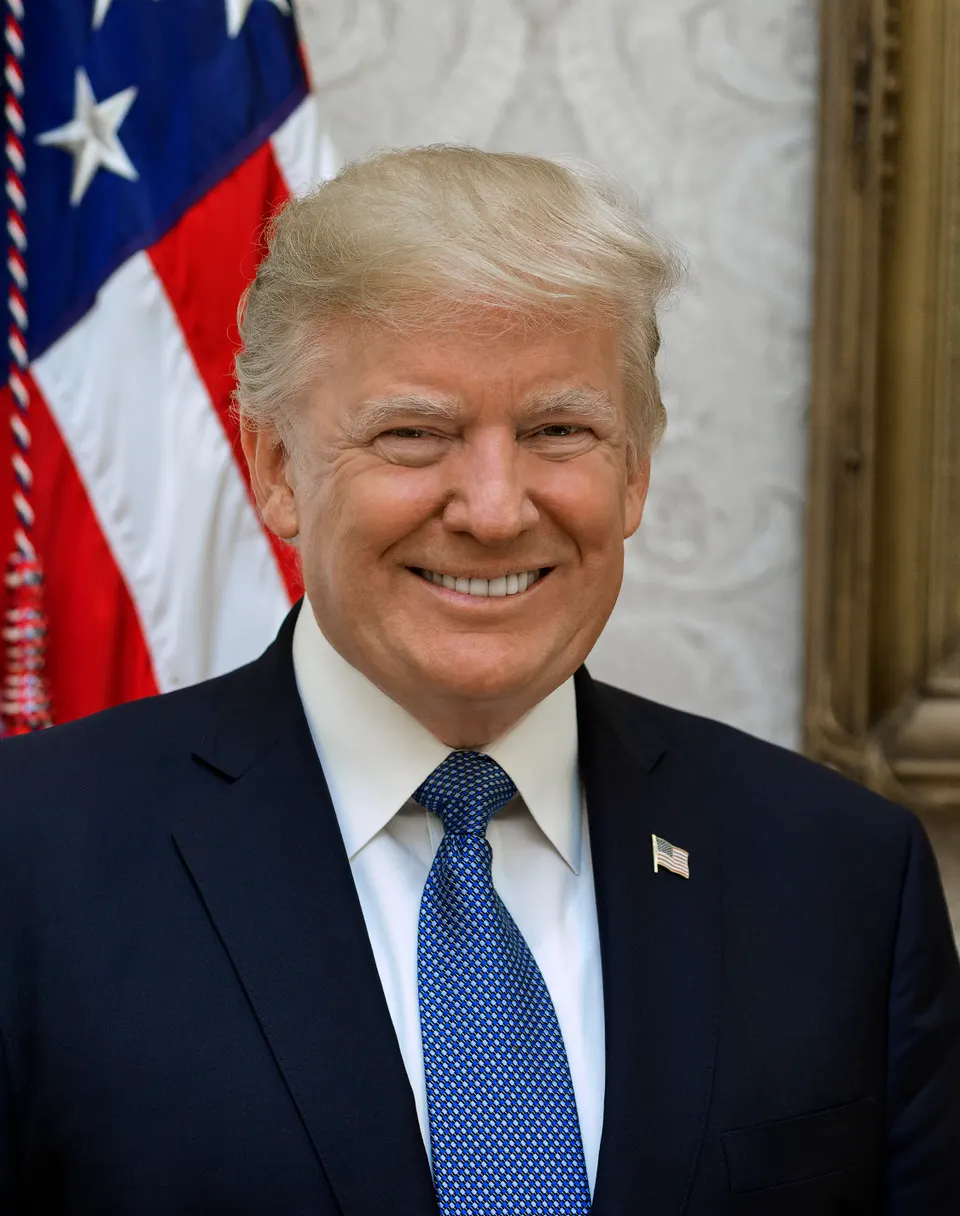
This rejection is significant because it signals a prolonged period of economic and military friction. The Strait of Hormuz remains the focal point, with a fifth of the world’s oil and gas trapped behind a de facto blockade. For Iranians, this means the hope for immediate sanctions relief or a 'grand bargain' has dimmed once again. The markets are reacting to the reality that this administration is not looking for a quick exit, but rather a total capitulation on all fronts, including the nuclear program which Tehran considers a red line.
What this means for your money is simple: volatility is the new baseline. As long as the US and Iran remain locked in this 'who blinks first' scenario, the Rial will remain under pressure, even if the central bank manages to keep it stable in the short term. The global economy is also feeling the pinch, as the cost of Liquefied Natural Gas (LNG) soars because tankers cannot transit the Persian Gulf, forcing buyers to look for much more expensive alternatives from the US and elsewhere.
The Blame Game at the UN and the Hormuz Crisis
While the White House shuts the door on the peace proposal, the diplomatic battle has moved to the United Nations. Iran’s Ambassador, Amir Saeid Iravani, has officially placed the blame for the disruptions in the Strait of Hormuz squarely on the shoulders of the United States and its allies. Iravani argued that the presence of foreign naval forces and the continued sanctions regime are the primary drivers of instability in the Persian Gulf and the Gulf of Oman. This rhetoric suggests that Tehran is not planning to back down on its maritime strategy, which it views as its most potent leverage against Western economic pressure.

This 'maritime war' is no longer just about ships; it’s about the global supply chain. The closure of the Strait has effectively taken Qatari and UAE energy exports off the market, forcing the world to rely on US LNG. However, experts warn that US exporters are reaching their limits and cannot sustain this level of supply indefinitely due to upcoming maintenance and hurricane seasons. This creates a ticking clock for global energy security, which could lead to even higher inflation in the West—a factor that might eventually force a change in the US negotiating position, though we aren't there yet.
For the average person, this means the 'cost of living' crisis is going global. Even in places as far as Wales, parents are complaining about record-high nursery bills and rising costs, a sentiment echoed across the globe as energy prices feed into every consumer product. The interconnectedness of a ship stuck in the Persian Gulf and the price of milk in a grocery store has never been more apparent. As long as the UN floor remains a place for accusations rather than solutions, the economic ripples will continue to widen.
The Dubai Property Link: Sudan's Wealth and Regional Stability
In a fascinating investigative twist that highlights the complexities of regional finance, a new report has revealed that leaders of Sudan’s Rapid Support Forces (RSF)—a group accused of severe human rights violations—have amassed a £17.7 million property portfolio in Dubai. This network, linked to Mohamed Hamdan Dagalo (Hemedti), used the UAE as a 'safe haven' for their wealth while their home country was torn apart by conflict. This story is crucial for Iranian investors because it highlights the growing scrutiny on Dubai’s real estate market and its role as a financial hub for sanctioned or controversial entities.

Dubai has long been a favorite destination for Iranian capital and business, but the increasing pressure from international investigative groups and the US 'Sentry' group suggests that the era of 'no questions asked' might be coming to an end. If the UAE begins to tighten its regulations or freeze assets of sanctioned paramilitary leaders, it could set a precedent that eventually impacts other regional players using the same financial channels. This 'paramilitary-industrial complex' is being mapped out by Western intelligence, and the transparency requirements are only going to get stricter.
What does this mean for you? If you have interests in regional real estate or use Dubai as a bridge for international trade, stay alert to changes in AML (Anti-Money Laundering) and KYC (Know Your Customer) regulations. The world is becoming smaller for those trying to move large sums of money outside the traditional banking system. As the spotlight shines on Sudan's generals today, it could very well shine on other regional actors tomorrow. In the world of finance, transparency is the new weapon of choice.
Frequently Asked Questions
Why did Donald Trump reject Iran's latest peace proposal?
How is the Strait of Hormuz standoff affecting Bitcoin's price?
What does the investigation into Sudan's leaders in Dubai mean for Iranian investors?
The Strategic Importance of the Strait of Hormuz in Global Energy Markets
A strategic chokepoint is a narrow passage—geographic or infrastructural—through which a disproportionate share of global trade must flow. The Strait of Hormuz, a 21‑mile-wide waterway between Iran and Oman, is the archetype of such a chokepoint because it carries roughly 20‑25% of the world’s daily oil consumption and a sizable fraction of liquefied natural gas (LNG) shipments. When geopolitical tension spikes, even the threat of a temporary closure can send oil prices soaring, as traders price in the risk of supply disruption.
Historically, the Hormuz corridor has been a flashpoint. The 1980s Iran–Iraq War saw both sides mine the strait, prompting U.S. naval escorts for tankers. More recently, in 2019 the U.S. withdrew from the Iran nuclear deal, and Iranian missile drills near the waterway raised fears of a blockade. Each incident triggered sharp, albeit short‑lived, spikes in Brent and WTI crude prices, illustrating how political risk premiums dominate market dynamics when the strait’s security is questioned.
The strait’s importance extends beyond oil. About 30% of the world’s LNG cargoes also transit Hormuz, meaning that any disruption can affect gas‑dependent economies and influence U.S. LNG export limits set by the Department of Energy. Moreover, the heightened uncertainty can spill over into unrelated asset classes—such as cryptocurrencies—where investors often flee to perceived safe‑havens or, conversely, sell risk‑on assets like Bitcoin during sudden market stress.
Understanding the Hormuz chokepoint helps explain why headlines linking Trump’s stance on Iran, oil price surges, and crypto market drops appear together. It underscores the interconnectedness of geopolitics, energy logistics, and financial markets: a single regional dispute can reverberate through global supply chains, affect commodity pricing, and reshape investor behavior across diverse asset classes.