Tanker Breaks Hormuz Blockade as BP Profits Double Amid Regional Conflict
شکستن محاصره هرمز توسط نفتکش لیبریایی و جهش سود غولهای نفتی در پی جنگ
A Liberian-flagged LNG tanker has successfully navigated the Strait of Hormuz, marking a significant breach in the ongoing naval blockade. Meanwhile, BP reports a 130% profit surge as energy prices remain elevated due to regional instability.
At time of publishing
USD
161,050
Toman
Gold 18K
18.16M
Toman / gram
Bitcoin
$76,612
US Dollar
Tether
16,092.7
Toman
The Hormuz Blockade Faces Its First Major Breach
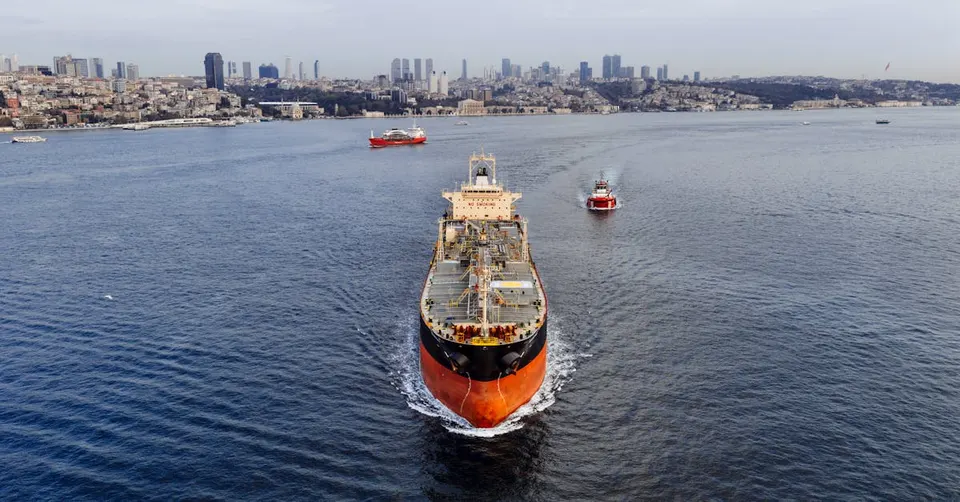
In a development that has sent ripples through global energy markets, the Liberian-flagged LNG tanker Mubaraz has successfully exited the Strait of Hormuz, marking the first such transit by a liquefied natural gas vessel since late February. According to ship-tracking data, the vessel loaded its cargo at the UAE’s Das Island and managed to navigate the high-tension waterway despite an ongoing naval blockade that has paralyzed much of the region's commercial shipping. This movement suggests that the blockade, while formidable, is not absolute, and certain operators are beginning to test the limits of maritime enforcement in the Persian Gulf.
Adding a layer of geopolitical intrigue to the situation, a 141-meter Russian superyacht linked to an ally of President Vladimir Putin also cleared the Strait of Hormuz during the same window. The ability of Russian-linked vessels to move freely while other international shipping remains deterred highlights the complex web of diplomatic exemptions and back-channel agreements currently defining the conflict. For the Iranian market, these breaches are a double-edged sword: they offer a glimmer of hope for resumed trade, yet the sheer risk associated with these transits continues to keep insurance premiums—and consequently the price of imported goods—at record highs.
Energy Giants Reap the Rewards of Regional Instability
While the region grapples with the economic fallout of the conflict, global energy titans are reporting staggering financial gains. BP announced on Tuesday that its quarterly profits have more than doubled, reaching $3.2 billion in the first quarter of 2026. This represents a 130% increase from the $1.38 billion reported in the same period last year. The company explicitly cited the "exceptional" contribution of its oil and gas trading operations, which have thrived on the extreme volatility and price spikes directly linked to the war in the Middle East. These figures have significantly outpaced market forecasts, underscoring how deeply global capital is tied to the current geopolitical friction.
For the Iranian consumer and business owner, these record profits for Western firms serve as a stark reminder of the cost of the conflict. As oil and gas prices soar globally, the domestic economy faces a unique set of pressures. The 24-hour data shows the USD/IRR moving from 159,950 to 161,050, a 0.7% increase that reflects the market's anxiety. Despite the occasional tanker breaking through the blockade, the overall scarcity of reliable supply chains and the threat of expanded sanctions keep the Toman on a downward trajectory. The wealth being generated in the boardrooms of London and Houston stands in sharp contrast to the inflationary pressures felt on the streets of Tehran.

Security Trials and the Diplomacy of Sanctions
In Europe, the trial of 21-year-old Beran A has commenced in Austria, with prosecutors alleging a sophisticated plot to attack a Taylor Swift concert on behalf of the Islamic State. The defendant reportedly received specialized training in explosives, a revelation that has reignited fears regarding the spillover of regional radicalization into Western capitals. Such high-profile security events often have a direct impact on Iranian diplomacy; they provide political ammunition for hardliners in the European Union to maintain or tighten the "inhuman" sanctions that Tehran has recently rebuked. Foreign Ministry spokesperson Esmaeil Baqaei recently slammed EU Commission President Ursula von der Leyen for her insistence on maintaining these economic restrictions under the pretext of human rights.
This diplomatic deadlock is manifesting clearly in the gold and currency markets. While global gold prices saw a slight softening, the domestic price for the Emami coin rose from 181,500,000 to 183,500,000 Toman, a 1.1% jump in just 24 hours. This divergence—where local prices rise despite a dip in the international gold ounce—indicates a flight to safety among Iranian investors. People are not buying gold because it is cheap; they are buying it because they fear the Toman will lose even more value as the EU and Iran remain locked in a cycle of sanctions and rebukes. The market is currently pricing in a prolonged period of isolation, regardless of the tactical successes seen at sea.

The Ripple Effect on Tech and Digital Assets
The broader financial atmosphere is also weighing heavily on the cryptocurrency sector. Bitcoin has dipped below the $77,000 mark, currently trading at $76,612, as the surge in oil prices and the hawkish signals from central banks like the Bank of Japan create a risk-off environment. Investors are pulling back from speculative assets as the cost of energy and the threat of inflation loom larger. In the tech space, companies like Microsoft are attempting to maintain productivity momentum with new hardware integrations, such as Logitech’s MX Creative Console, but these developments are being overshadowed by the macro-economic reality of the "war economy."
Ultimately, the current hour shows an economy in a state of high-alert. The successful transit of the Mubaraz through the Strait of Hormuz is a tactical anomaly rather than a trend. Until a broader diplomatic resolution is reached regarding the blockade and the associated sanctions, the Iranian market will likely remain characterized by this volatility. The 0.7% rise in the dollar and the 1.1% spike in gold coins are the primary indicators that, for now, the path of least resistance for the Toman remains downward, driven by the twin engines of regional war and international diplomatic friction.
Frequently Asked Questions
How did the Mubaraz tanker manage to cross the Strait of Hormuz despite the blockade?
Why did BP's profits double during the Iran conflict?
Why is the price of gold coins in Iran rising while global gold prices are stable?
What is the significance of the Russian superyacht crossing the Strait?
The Strategic Importance of the Strait of Hormuz
The Strait of Hormuz is a narrow 21‑mile waterway that connects the Persian Gulf with the Gulf of Oman and the open ocean. Despite its modest width, it serves as a global oil chokepoint, carrying roughly 20% of the world’s petroleum liquids—about 21 million barrels per day—through its currents each year【"https://en.wikipedia.org/wiki/Strait_of_Hormuz"】. Because the majority of the world’s major oil‑producing nations in the Middle East (Iran, Iraq, Kuwait, Saudi Arabia, and the United Arab Emirates) sit on the Persian Gulf, any disruption in this strait reverberates through international energy markets.
When a vessel or a fleet attempts to block the strait, as has happened intermittently during heightened Iran‑U.S. tensions, the immediate effect is a spike in oil and liquefied natural gas (LNG) prices. Traders price in the risk of supply interruption, which can boost the quarterly earnings of multinational oil companies that have diversified portfolios—BP’s 2026 profit surge, for example, was partly attributed to higher spot prices driven by regional instability. The price shock also ripples into currency markets; nations that rely heavily on oil imports, such as Iran, see their exchange rates (USD/IRR) fluctuate sharply in response to shifting revenue expectations【"https://www.reuters.com/world/middle-east/iran-blockade-strait-hormuz-2024-03-01/"】.
Sanctions add another layer of complexity. EU and U.S. sanctions on Iran limit the country’s ability to sell oil internationally, prompting Tehran to use alternative mechanisms like the “Mubaraz” LNG tanker fleet to circumvent restrictions. These vessels often operate under the radar, leveraging ambiguous ownership structures and regional allies to keep gas flowing despite embargoes. The interplay of sanctions, blockade threats, and the sheer volume of trade makes the Hormuz corridor a focal point for energy security debates among global powers.
Because of its outsized influence, governments and navies maintain a constant presence in the strait. The U.S. Fifth Fleet, along with allied naval forces, conducts regular freedom‑of‑navigation operations to deter hostile actions and reassure commercial shipping. Simultaneously, oil exporters explore alternative routes—such as the longer, more expensive route around the Cape of Good Hope—to mitigate the risk of a prolonged closure. Understanding the strategic calculus of the Strait of Hormuz is essential for anyone following global energy markets, geopolitics, or the economic ripple effects of regional conflicts.