
Iran Demands Security Guarantees as Toman Slides; SoftBank Reeling from OpenAI Performance Miss
درخواست تضمین امنیتی ایران همزمان با صعود دلار؛ سقوط سهام سافتبنک در پی عقبماندگی OpenAI
Tehran signals that Gulf stability hinges on security guarantees against attacks, while the Iranian Toman faces renewed pressure, climbing to 162,450. Meanwhile, global tech markets are shaken as SoftBank shares plunge following reports that OpenAI missed key internal growth targets.
At time of publishing
USD
162,450
Toman
Gold 18K
18.32M
Toman / gram
Bitcoin
$76,890
US Dollar
Tether
16,072.9
Toman
Geopolitical Tensions and the Toman's Upward Trajectory
At 12:00 Tehran time, the Iranian market is reacting sharply to a combination of regional diplomatic signals and heightened rhetoric. Iran’s permanent envoy to the United Nations has explicitly stated that lasting stability in the Persian Gulf is contingent upon "full respect" for Iran’s rights and concrete guarantees against external military strikes. This stance comes amid accusations from Tehran regarding what it labels as the "legalization of piracy" by the United States in international waters, specifically referring to the seizure of Iranian-linked vessels. These developments suggest a hardening of the diplomatic corridor, as Tehran seeks to leverage its maritime and regional influence to secure a non-aggression framework.
The impact on the domestic currency market has been immediate and measurable. The US Dollar has moved from 159,950 to 162,450 Toman, marking a 1.6% increase in just 24 hours. Even more pronounced is the movement in the gold sector; the Emami coin rose from 181,500,000 to 187,000,000 Toman, a significant 3.0% jump. For the average Iranian investor, these figures reflect a rush toward safe-haven assets as the rhetoric between Tehran and Washington escalates, and the possibility of a prolonged maritime standoff in the Strait of Hormuz remains a primary concern for trade stability.
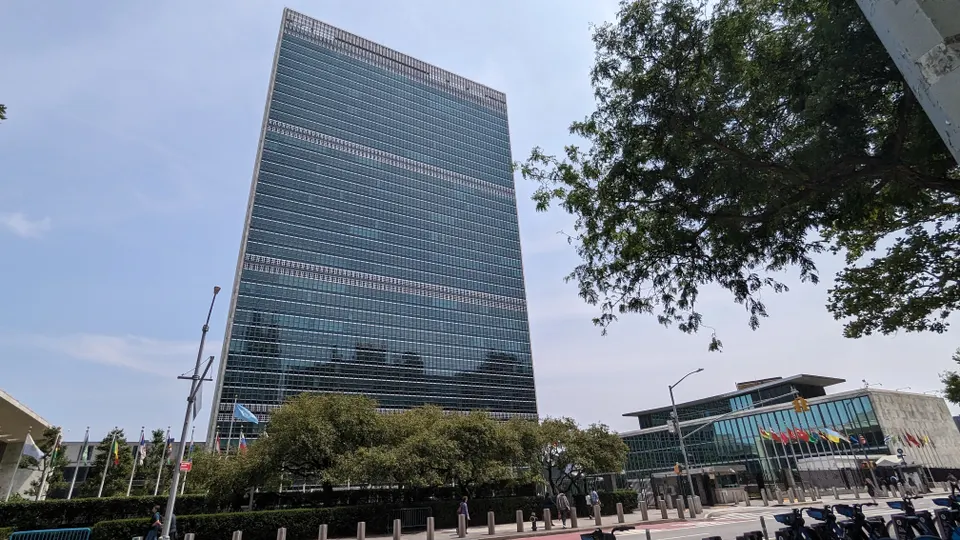
AI Reality Check: SoftBank Tumbles as OpenAI Misses Targets
In the global technology sector, the euphoria surrounding artificial intelligence has met a significant hurdle. Shares of SoftBank Group tumbled in Tokyo trade, marking their worst single-day percentage decline in six months. The sell-off was triggered by reports indicating that OpenAI, the crown jewel of the current AI boom and a major focus for SoftBank’s investment strategy, has missed several key internal targets. As competition from rival labs intensifies, the market is beginning to question whether the astronomical valuations of AI leaders can be sustained if growth doesn't perfectly match the hype.
Despite the cooling sentiment in some quarters, the institutionalization of AI continues. Bloomberg has announced a major "AI makeover" for its iconic Terminal, integrating chatbot-style interfaces to help traders navigate complex data sets. This move highlights a divergence in the market: while pure-play AI startups may be facing a correction in expectations, established financial infrastructure providers are doubling down on the technology to maintain their competitive edge. For investors, the SoftBank dip serves as a reminder that even the most revolutionary technologies face traditional market pressures of performance and profitability.

Energy Shifts: ADNOC’s US Expansion and China’s Fuel Surplus
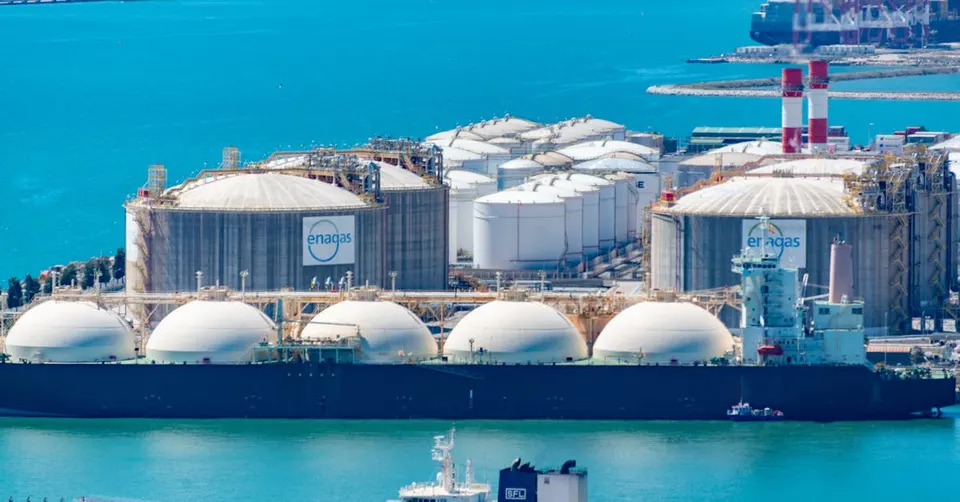
Global energy dynamics are undergoing a structural shift as the UAE’s ADNOC sets its sights on a multibillion-dollar expansion into the United States natural gas industry. By evaluating nearly 30 potential acquisition targets, ADNOC aims to build a vertically integrated business covering everything from extraction to liquefaction on American soil. This represents a strategic pivot for Gulf oil giants, who are increasingly looking to secure a foothold in the US shale and LNG markets to diversify their portfolios and hedge against regional volatility in the Middle East.
Simultaneously, China is considering a restart of fuel exports as domestic stockpiles surge. State refiners like Sinopec and CNPC have reportedly applied for permits to export diesel and gasoline, a move that could flood the global market and put downward pressure on fuel prices. This potential increase in supply comes at a critical time when global markets are weighing the risks of Middle Eastern supply disruptions against the reality of slowing industrial demand in Asia. For the broader economy, a surge in Chinese exports could provide a much-needed cooling effect on global inflation, even as geopolitical risks remain elevated.
Crypto and Defense: Bitcoin Stalls While AUKUS Fails
In the digital asset space, Bitcoin (BTC) has dipped slightly to $76,890, as the surge in oil prices and broader macroeconomic uncertainty weigh on risk appetite. Despite the minor price correction, institutional confidence remains visible; Jack Dorsey’s Block Inc. recently disclosed holdings of over 28,000 BTC, valued at approximately $2.2 billion. Analysts suggest that while short-term liquidity conditions are improving, the market is currently in a "wait-and-see" mode as central bank decisions and geopolitical events in the Middle East dictate the next major move for crypto assets.
On the traditional defense front, the AUKUS nuclear submarine pact between Australia, the UK, and the US is facing a crisis of confidence. A British parliamentary inquiry has warned that "cracks are beginning to show" in the funding and delivery timeline of the ambitious project. The report highlights critically low submarine availability and underfunded shipbuilding infrastructure in the UK, which could leave Australia’s security plans in jeopardy. This failure underscores the difficulty of maintaining long-term military alliances in an era of fiscal constraint and shifting political priorities, contrasting sharply with the rapid, private-sector-led expansion seen in the energy and tech sectors.
Frequently Asked Questions
Why is the Iranian Toman devaluing today?
What caused SoftBank's stock price to drop significantly?
How might China's fuel export plans affect global markets?
What is the significance of ADNOC's investment in the US gas industry?
Understanding Currency Devaluation and Its Effects on an Economy
When a country's currency loses value against foreign currencies, it is said to be devalued. In Iran, the Toman (officially the rial) has been sliding relative to the US dollar, pushing the USD/IRR exchange rate to record highs in April 2026. Devaluation can be intentional—through official policy—or it can occur organically due to market pressures such as inflation, sanctions, or loss of investor confidence. The immediate effect is that imports become more expensive, which can fuel further inflation, while exporters may benefit from more competitive pricing abroad.
The mechanics of devaluation are tied to a country's exchange rate regime. Iran operates a managed float, where the central bank intervenes to smooth volatility but does not set a fixed rate. When market demand for dollars outpaces supply, the central bank may sell foreign reserves to support the rial, but once reserves dwindle, the currency can plunge sharply. This dynamic explains why the USD/IRR rate can swing dramatically within weeks, affecting everything from household purchasing power to the pricing of commodities like the Emami coin.
Devaluation also has geopolitical ramifications. For Iran, a weaker currency intensifies the need for security guarantees from regional partners and global powers, as economic vulnerability can translate into political pressure. International investors, such as SoftBank, watch these macro‑economic signals closely; a deteriorating exchange rate can erode the profitability of tech investments, as seen in the recent OpenAI performance miss that rattled SoftBank’s valuation.
Policymakers can mitigate the adverse effects of devaluation through monetary tightening, fiscal consolidation, and building foreign exchange reserves. However, these measures often come at the cost of slower growth and higher unemployment. Understanding the trade‑offs helps analysts and citizens alike gauge the likely trajectory of their economy and the broader regional stability.
For those interested in deeper analysis, the International Monetary Fund (IMF) provides extensive research on exchange‑rate dynamics, while the World Bank offers case studies on currency crises. Keeping an eye on official exchange‑rate announcements and reserve levels can give early warnings of further devaluation pressures.