Trump Briefed on 'Powerful' Iran Strike Options; Oil Surges to $126 as Hormuz Tensions Peak
گزارش اکسیوس از طرح حملات ضربتی علیه ایران؛ جهش بهای نفت به ۱۲۶ دلار و سایه بحران بر تنگه هرمز
Oil prices have skyrocketed to $126 per barrel following reports that U.S. Central Command has prepared military options for Iran. Meanwhile, Tehran's suggestion of a toll in the Strait of Hormuz is rattling global shipping and driving up food costs in Europe.
At time of publishing
USD
178,850
Toman
Gold 18K
19.80M
Toman / gram
Bitcoin
$75,649
US Dollar
Tether
17,820.7
Toman
The 'Short and Powerful' Strike Plan: Oil Hits Four-Year Highs
The geopolitical landscape shifted dramatically this morning following a high-stakes report from Axios indicating that President Trump is being briefed by U.S. Central Command on a suite of "short and powerful" military options targeting Iran. This news has acted as a catalyst for a massive surge in energy markets, with Brent crude skyrocketing 7.1% to reach $126 per barrel—its highest level in years. The volatility is not limited to commodities; the financial contagion has spread rapidly to the digital asset space. Bitcoin has retreated toward the $75,000 mark as investors flee high-risk assets in favor of the safety of the U.S. dollar and Treasury bonds, which are seeing yields climb to multi-year highs.
The proposed military plans are described as a specific "wave of strikes," signaling a sharp departure from previous diplomatic or containment strategies. This escalation comes at a time when global supply chains are already under immense pressure from post-pandemic realignments and existing regional conflicts. For the Iranian economy, this development creates immediate speculative pressure. While the USD/IRR rate has remained technically stable at 178,850 in the last 24 hours, the market's "wait-and-see" approach is rapidly turning into a defensive posture. The psychological impact of potential kinetic action often precedes actual economic fallout, leading to a hoarding of hard currency and a stagnation in domestic investment as players brace for the unknown.
Testing the Waters: The Strait of Hormuz Toll Threat
Adding fuel to an already volatile situation, Tehran has recently floated the idea of imposing a transit toll on vessels passing through the Strait of Hormuz. While such a move would be legally contentious under international maritime law, the mere suggestion has sent shockwaves through the global shipping industry. The Strait remains the world's most critical energy artery, and any disruption—whether through physical blockage or new financial barriers—threatens to permanently alter the cost structure of global trade. Analysts suggest that even if the toll is never formally implemented, the threat serves as a powerful asymmetric lever for Iran to exert influence over international markets and counter-balance Western military posturing.
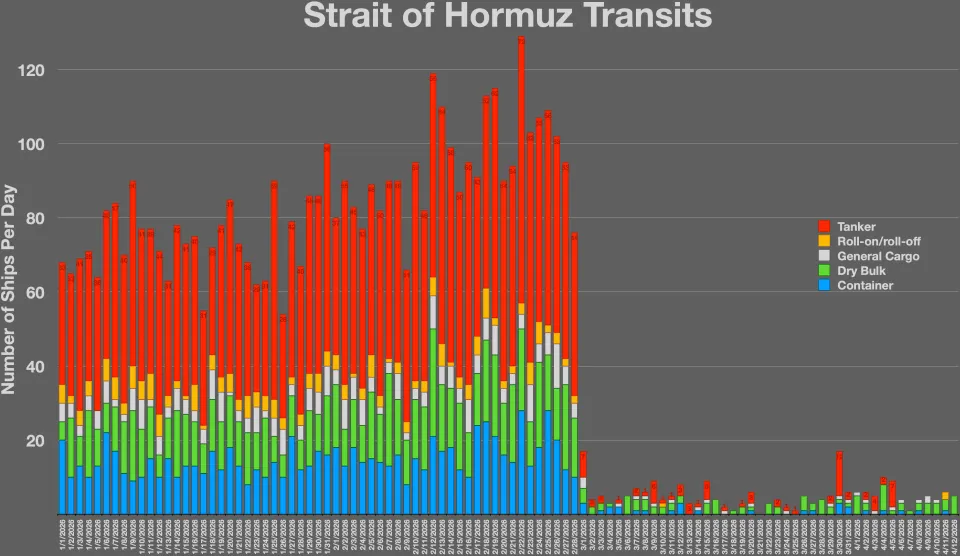
This "testing of the waters" strategy appears designed to remind global powers of the costs associated with increased military tension. For the average consumer, these high-level geopolitical maneuvers translate into higher insurance premiums for shipping companies, which are inevitably passed down to the price of imported goods. In Australia, officials are already grappling with calls for new gas export taxes to stabilize domestic fuel supplies amidst this global "oil shock." The interconnectedness of these events means that a decision made in a boardroom in Washington or a command center in Tehran can affect the price of a liter of fuel in Sydney or a loaf of bread in London within days.
Global Economic Fallout: From UK Meal-Skipping to Indian Elections
The real-world consequences of these rising energy prices are becoming tragically visible in the United Kingdom, far from the front lines of the Middle East. A new report from the consumer group "Which?" indicates that approximately three million British households are being forced to skip meals due to the skyrocketing cost of living. The report highlights that 85% of consumers are deeply worried about food prices, with the majority believing the economy will continue to deteriorate. This is a direct reflection of how Middle Eastern instability cascades through the global economy; when oil prices rise, the cost of manufacturing and transporting food follows suit, hitting the most vulnerable populations first.

Beyond the economy, these tensions are influencing political landscapes worldwide. In India, the upcoming state elections are being shaped by issues of safety and economic stability, with candidates like Ratna Debnath—who is running for office after the tragic loss of her daughter—campaigning on platforms of security that resonate in an increasingly unstable world. Even in the world of culture and law, the atmosphere of high-stakes conflict is pervasive; in Australia, the defamation case involving actress Rebel Wilson continues to capture headlines, serving as a reminder that even as global crises unfold, domestic legal and social battles remain at the forefront of the public consciousness. For the Iranian reader, this global context is crucial: the pressures on the Toman are part of a worldwide realignment where energy security and geopolitical risk are now the primary drivers of value.
Markets and the Fed: The Resilience of High Yields
While geopolitical headlines dominate the news cycle, a quieter but equally significant shift is occurring in the halls of the U.S. Federal Reserve. Chair Jerome Powell has recently signaled his intent to remain on the Fed board even after his term as chair ends, a move that effectively prevents President Trump from appointing a more aligned successor immediately. This internal struggle for control over monetary policy comes at a time when the 30-year Treasury yield has breached the 5% mark. The market is pricing in a "higher-for-longer" interest rate environment, driven by the inflationary pressures of $126 oil and the potential for a wider Middle Eastern conflict.
For crypto investors, this is a "double whammy" of negative catalysts. Not only is the threat of war driving a flight to safety, but the prospect of sustained high interest rates makes non-yielding assets like Bitcoin less attractive compared to government bonds. The recent slide toward $75,000 reflects this reality. As global liquidity tightens, the speculative fervor that fueled the recent crypto rally is being tested by the cold reality of geopolitical and macroeconomic risk. The Emami coin in Iran has already seen a 0.5% rise to 203,000,000 Toman, reflecting a domestic rush toward gold as a safe haven in these uncertain times.
Frequently Asked Questions
Why did oil prices jump to $126 suddenly?
What is the 'Strait of Hormuz toll' and why does it matter?
How is the Iran-U.S. tension affecting Bitcoin and crypto?
What is the current status of the Iranian Toman (USD/IRR)?
Why the Strait of Hormuz Matters: The Chokepoint That Moves Oil Prices
The Strait of Hormuz is a narrow waterway, only about 21 miles (34 km) wide at its narrowest point, that links the Persian Gulf with the Gulf of Oman and the open ocean. Despite its modest size, it is the world’s most critical oil chokepoint: roughly 20% of global petroleum consumption – about 21 million barrels per day – passes through it each day. When any threat—whether a military drill, a mining accident, or a geopolitical crisis—disrupts traffic, the world feels the impact almost instantly, as seen in the 2026 surge that pushed Brent crude to $126 a barrel.
The physics of oil markets amplify these disruptions. Crude oil is a globally traded commodity, but the physical flow of the product still depends on narrow maritime routes. When traders anticipate a supply shortfall, they bid up futures contracts, which lifts spot prices even before any actual reduction in shipments occurs. This “risk premium” can be especially large for a route like Hormuz, where a single incident could cut off a sizable share of daily supply.
Geopolitically, the strait sits between Iran and the United Arab Emirates, making it a flashpoint for regional rivalries. Iran’s ability to threaten closure—by laying mines, using small fast‑attack boats, or launching missile strikes—gives it a lever far beyond its conventional military strength. The United States, through the US Central Command, routinely conducts freedom‑of‑navigation operations to reassure commercial shipping and deter any attempt to block the passage.
Understanding the strategic importance of Hormuz helps explain why oil prices can swing dramatically on headlines about Iranian strike options or heightened tensions. It also underscores why policymakers and investors watch the strait closely: any escalation can trigger a cascade of price moves, affect global inflation, and even influence unrelated markets like Bitcoin, which often reacts to macro‑risk events.