Oil Hits 2022 Highs as Trump Briefed on Iran Strike Options; Tensions Flare in Persian Gulf
جهش قیمت نفت به سقف ۴ ساله؛ ترامپ در حال بررسی گزینههای نظامی علیه ایران
Global markets are on high alert following reports that Donald Trump is being briefed on 'short and powerful' strike options against Iran, sending oil prices to their highest levels since 2022. As the Persian Gulf braces for potential disruption, Tehran maintains its nuclear program remains under full IAEA supervision.
At time of publishing
USD
178,850
Toman
Gold 18K
19.80M
Toman / gram
Bitcoin
$75,578
US Dollar
Tether
17,868
Toman
Market Open — April 30, 2026
Good morning. The Tehran market opened today under a heavy cloud of geopolitical uncertainty, though the domestic currency remained remarkably static in early trading. The US Dollar (USD/IRR) is currently holding at 178,850 Toman, showing no change (0.0%) from yesterday's close. However, the underlying tension is visible in the gold and coin markets, where the Emami coin rose by 0.5% to reach 203,000,000 Toman. This slight decoupling of gold from the currency suggests local investors are hedging against regional risks rather than just currency devaluation.
Globally, the picture is even more dramatic. Bitcoin is trading at $75,578, maintaining its position as a digital safe haven, but the real story is in the yellow metal. Gold has reached a staggering $4,562.70 per ounce. In the local market, 18-karat gold remains at 19,797,543 Toman per gram, but if global trends continue to bleed into the domestic price, we should expect upward pressure on the 'Mazaneh' soon. The market is currently in a 'wait-and-see' mode, holding its breath for the next headline from Washington or the Persian Gulf.
The Trump Briefing: Oil Markets on Edge
The single most significant story overnight comes from a report via Axios, suggesting that US Central Command (CENTCOM) has prepared a series of options for "short and powerful" strikes against Iranian targets. These plans are reportedly being presented to Donald Trump as part of a broader strategy to recalibrate US deterrence in the region. The mere mention of such kinetic options has sent a shockwave through energy markets, with Brent crude breaking past the $113 mark for the first time since the early months of the 2022 energy crisis.
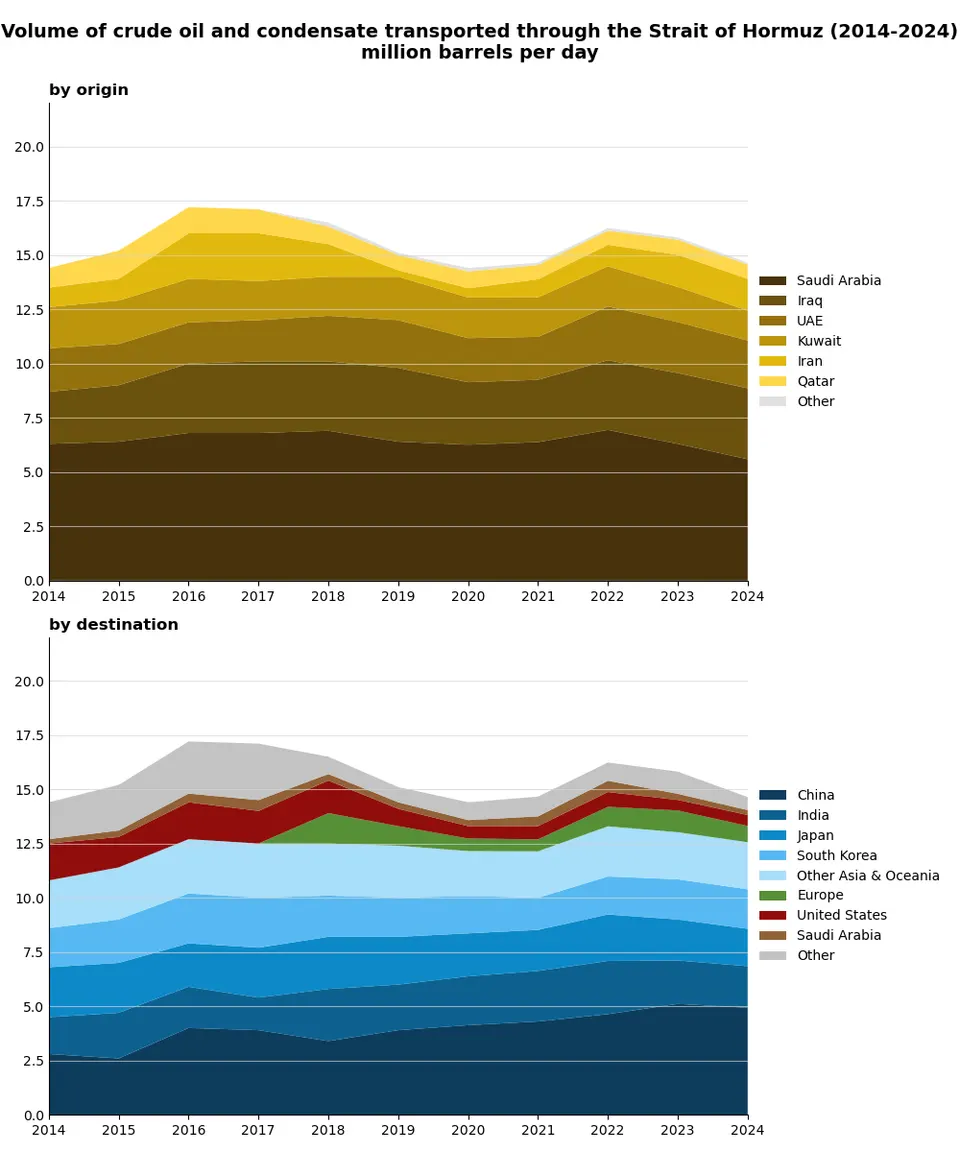
Traders are now pricing in a "war premium" that hasn't been seen in years. This isn't just about a potential strike; it's about the security of the Strait of Hormuz, the world's most critical energy chokepoint. If the situation escalates, the disruption to supply flows could be prolonged, leading to a global energy crunch that would dwarf recent inflationary spikes. For the Iranian reader, this means the possibility of increased economic pressure but also a massive surge in the value of the country's primary export—if it can reach the market.
This development comes at a sensitive time for the global economy. Central banks in Europe and the UK were already struggling with whether to hold interest rates steady. Now, with fuel prices threatening to skyrocket, they face the "excruciating choice" of fighting inflation or supporting a slowing economy. The geopolitical risk is no longer a footnote; it is the primary driver of global capital movement this morning.
Diplomacy vs. Deterrence: The View from Tehran
While the rhetoric from Washington grows more bellicose, the diplomatic and technical fronts are presenting a more nuanced picture. Iran’s Permanent Mission to the United Nations has reiterated that the country’s entire stockpile of enriched uranium remains under the full and constant supervision of the International Atomic Energy Agency (IAEA). According to the mission, there have been no reports of any diversion of nuclear material. This statement serves as a strategic counter-narrative to the military options being discussed in the US, aimed at showing that there is no immediate technical justification for escalation.

However, the language from the Foreign Ministry remains sharp. Foreign Minister Abbas Araghchi has directly blamed US and Israeli "aggression" for the current state of insecurity in the Persian Gulf and the Strait of Hormuz. By framing the tension as a direct result of foreign intervention, Tehran is signaling that it views the current military posturing not as a reaction to its own actions, but as a proactive move by its adversaries. This rhetorical tug-of-war suggests that while the technical "nuclear" door remains open for monitoring, the political "regional" door is slamming shut.
For investors, this split-screen reality—technical compliance versus regional escalation—is incredibly difficult to navigate. The IAEA's confirmation of supervision usually acts as a cooling agent for markets, but when placed alongside reports of strike plans, it does little to soothe nerves. The risk of a miscalculation on either side is at its highest point in years, and the markets are reacting to the possibility that diplomacy might finally be taking a backseat to hard power.
Global Energy Shock: Brent at $113 and the Ripple Effect
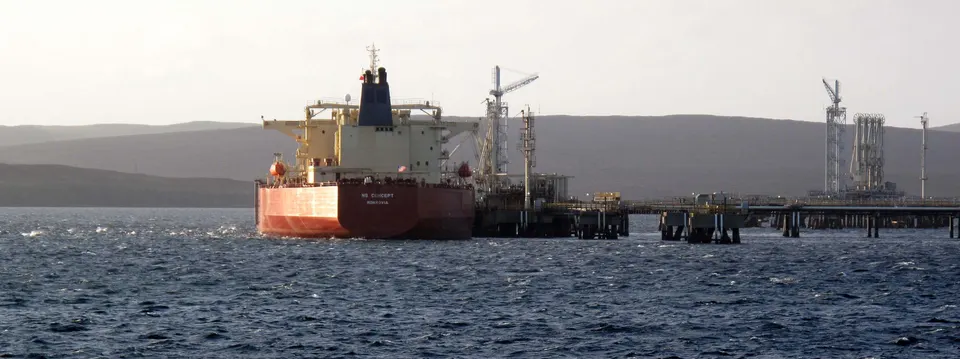
The impact of these tensions is vibrating through every major economy. Brent crude's jump to $113.09 is forcing governments to take drastic measures. Japan, for instance, is already weighing a $3 billion power subsidy package to protect its citizens from the rising costs of Liquefied Natural Gas (LNG), which is used to generate the bulk of its electricity. When a major economy like Japan starts preparing for a three-month energy crisis, it’s a clear signal that the world expects this disruption to be more than just a temporary blip.
In the West, the European Central Bank and the Bank of England are facing a nightmare scenario. They are expected to hold interest rates steady today, but the rising cost of fuel could force them into even tighter monetary policies later this year to combat energy-driven inflation. This would likely stifle economic growth, leading to a "stagflationary" environment where prices rise while the economy shrinks. For the average Iranian, this global slowdown could eventually dampen demand for exports, even if oil prices remain high.
Ultimately, what we are seeing is a fundamental shift in the global risk landscape. The era of cheap energy and predictable supply routes is under direct threat. Whether it's the FBI dismantling crypto scams or the US Federal Reserve's Jerome Powell fighting for central bank independence against political pressure, every story this morning is connected by a single thread: the struggle for stability in an increasingly volatile world. As you start your day, keep a close eye on the gold and energy tickers—they are the truest barometers of the hours to come.
Frequently Asked Questions
Why did oil prices jump to $113 suddenly?
How is the Iranian Rial reacting to the military strike reports?
What is the status of Iran's nuclear program according to the UN?
The Strategic Importance of the Strait of Hormuz
The Strait of Hormuz is a narrow waterway that connects the Persian Gulf with the Gulf of Oman and the open ocean. At its narrowest point it is only about 21 nautical miles wide, yet roughly 20% of the world’s daily oil consumption—about 21 million barrels—passes through it each day. This makes the strait a classic "chokepoint" in global energy markets, where a small geographic bottleneck can have outsized effects on prices and supply security.
Because the strait lies between Iran and the United Arab Emirates, any escalation of geopolitical tension in the region can instantly translate into market volatility. When threats of Iranian retaliation or U.S. naval operations surface, traders often price in a risk premium, pushing benchmarks like Brent crude toward record highs, as we saw in early 2022 when Brent briefly crossed $113 per barrel. The mere perception of a possible closure can trigger speculative buying, tighter spreads, and a rush to alternative routes such as the Suez Canal, even though those are less efficient for oil transport.
History offers several vivid reminders of the strait’s fragility. In 2019, attacks on oil tankers by Yemen’s Houthi rebels briefly disrupted traffic, and in 2020, a series of missile strikes on vessels near the strait prompted the U.S. Navy to escort commercial ships. Each incident, however brief, caused sharp spikes in oil and even gold prices, illustrating how intertwined geopolitical risk and commodity markets are. The International Energy Agency (IEA) routinely models “strait closure scenarios” to assess how quickly global oil supplies could be strained and what strategic petroleum reserves would be needed.
Understanding the Strait of Hormuz’s role helps explain why policymakers, investors, and consumers watch diplomatic headlines so closely. A single decision—such as a U.S. briefing on possible Iranian strike options—can ripple through the market, influencing everything from refinery margins to the price of a gram of gold. For anyone tracking the energy crisis, the strait is a bellwether of both supply‑side risk and broader geopolitical dynamics.