Oil Price Surge: Iran Blockade Raises Global Economic Alarm
افزایش قیمت نفت: محاصره ایران زنگ خطر اقتصاد جهانی را به صدا درآورد
Oil prices have soared above $118 due to reports of an extended blockade involving Iran, prompting global economic concerns. Meanwhile, geopolitical tensions rise with attacks in London and updates from Washington.
At time of publishing
USD
178,850
Toman
Gold 18K
19.80M
Toman / gram
Bitcoin
$75,021
US Dollar
Tether
17,730.6
Toman
Oil Price Soars Amid Extended Iran Blockade
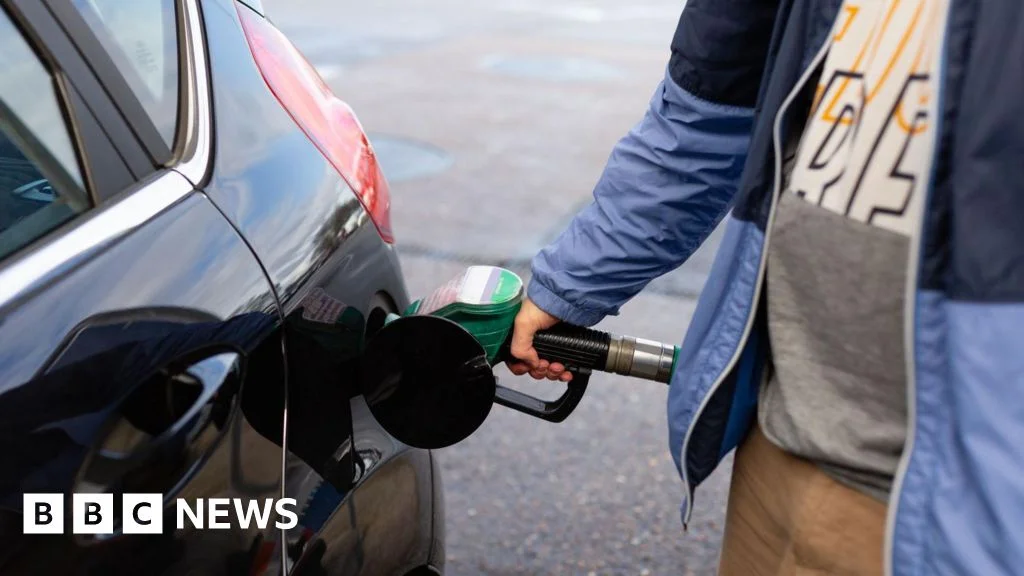
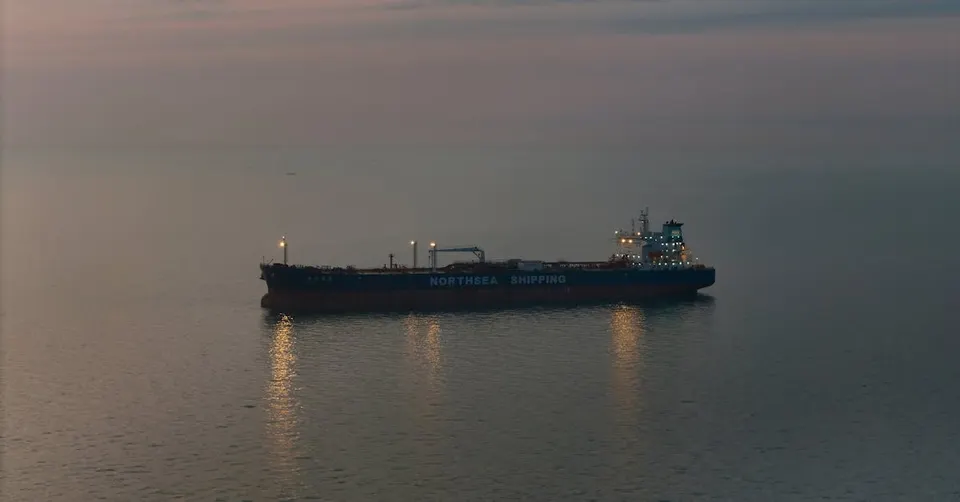
The price of crude oil surged past $118 per barrel today, driven by ongoing reports of an extended blockade involving Iran. This development comes amidst heightened tensions in the Middle East, where geopolitical conflicts have substantially disrupted oil routes, inflating global energy prices. The blockade has added a layer of uncertainty to the already volatile oil market, sparking fears of supply shortages and further price hikes.
For Iran, the rise in oil prices could offer a mixed blessing. While higher oil prices might boost revenue, the blockade's implications could strain Iran's economy, already burdened by international sanctions. The increased energy costs could also impact global inflation rates, particularly affecting countries heavily reliant on oil imports. As the situation unfolds, markets remain on edge, anticipating further developments and potential resolutions to the blockade.
Stabbing in Jewish Area of London Declared Terrorist Attack
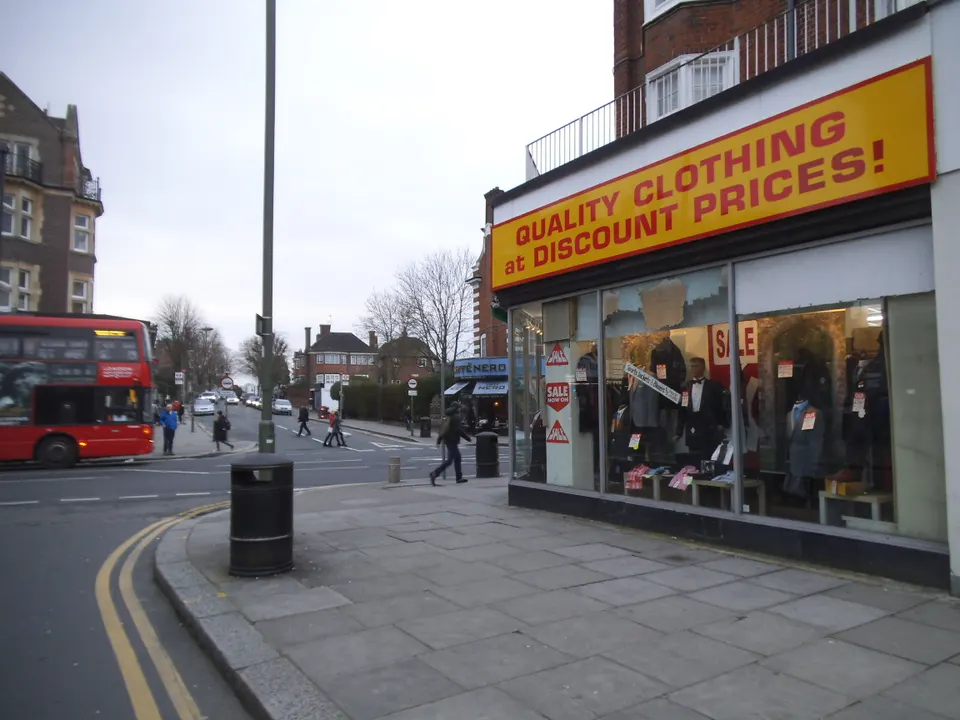
In a separate geopolitical event, two Jewish men were stabbed in Golders Green, North London, in what authorities are now treating as a terrorist incident. The attack, which took place earlier today, has heightened security concerns within the Jewish community and prompted an increased police presence in the area. The suspect, who was apprehended shortly after the attack, faces charges of attempted murder.
This incident underscores the rising threat of domestic terrorism in European urban centers, particularly targeting minority communities. The swift response from local authorities highlights the ongoing efforts to address such threats, but it also raises questions about broader societal tensions. The attack has drawn international attention, further complicating the geopolitical landscape as governments work to ensure safety and prevent future incidents.
Washington Shooting Suspect Caught on Camera
New images have surfaced showing Cole Tomas Allen, the suspect in the attempted assassination of President Donald Trump, taking selfies shortly before the attack at a Washington press dinner. Prosecutors argue that these images demonstrate Allen's premeditation, strengthening their case for keeping him in custody until trial.
The revelation of these images adds another layer to the already tense political climate in the United States. The attempted assassination, coupled with the suspect's apparent confidence and planning, has raised concerns about political violence and security measures for public figures. As the legal proceedings continue, the case remains a focal point of national attention, influencing public discourse on safety, security, and political division.
Frequently Asked Questions
Why did oil prices rise?
What impact will the oil price increase have?
What happened in Golders Green, London?
What are the implications of the Washington shooting suspect's selfies?
Understanding Oil Supply Shocks and Their Global Economic Impact
Oil supply shocks occur when a sudden, often unexpected change in the amount of oil available on the market causes prices to jump sharply. The classic examples are the 1973 Arab oil embargo and the 1979 Iranian Revolution, both of which cut output and led to steep price increases worldwide. In modern times, geopolitical events such as a blockade of Iranian ports can act as a new source of supply disruption, tightening global markets and pushing prices upward.
When oil prices spike, the effect ripples through the entire economy. Higher energy costs raise the price of transportation, manufacturing, and even food, because many inputs rely on petroleum. This broad‑based price rise feeds into inflation, forcing central banks to consider tighter monetary policy—higher interest rates—to keep price stability. The result can be slower economic growth, reduced consumer spending, and heightened uncertainty for investors.
The term "geopolitical risk premium" captures how markets price in the possibility of future supply interruptions. Traders add a premium to oil futures when tensions rise in key producing regions, effectively betting that prices will stay high if a crisis materializes. This premium can be volatile; a single event like a naval blockade can cause futures to surge, while diplomatic de‑escalation can quickly erase the extra cost.
Understanding supply shocks helps policymakers and businesses anticipate the knock‑on effects of geopolitical events. By monitoring inventory levels, production data, and political developments, they can design strategies—such as diversifying energy sources or hedging with futures contracts—to mitigate the economic fallout of sudden oil price spikes.