Trump’s ‘Strike Briefing’ Ignites Oil Surge as Toman Breaches 180k
سایه «گزینههای نظامی» بر بازار؛ دلار ۱۸۰ هزار تومان را رد کرد
As reports emerge of the US Central Command preparing 'short and powerful' strike options against Iran, global oil prices have surged to 2022 highs. The impact is immediately visible in Tehran, where the US Dollar has breached the 180,000 Toman mark amid a 2.6% spike in gold prices.
At time of publishing
USD
180,850
Toman
Gold 18K
20.32M
Toman / gram
Bitcoin
$76,046
US Dollar
Tether
17,730
Toman
The Brinkmanship Briefing: Military Options and Oil Markets
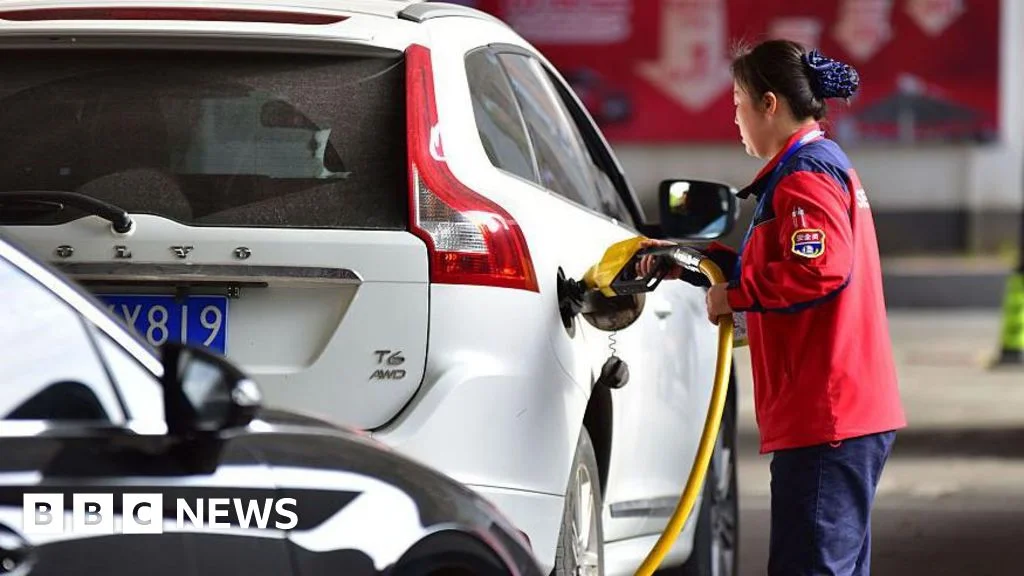
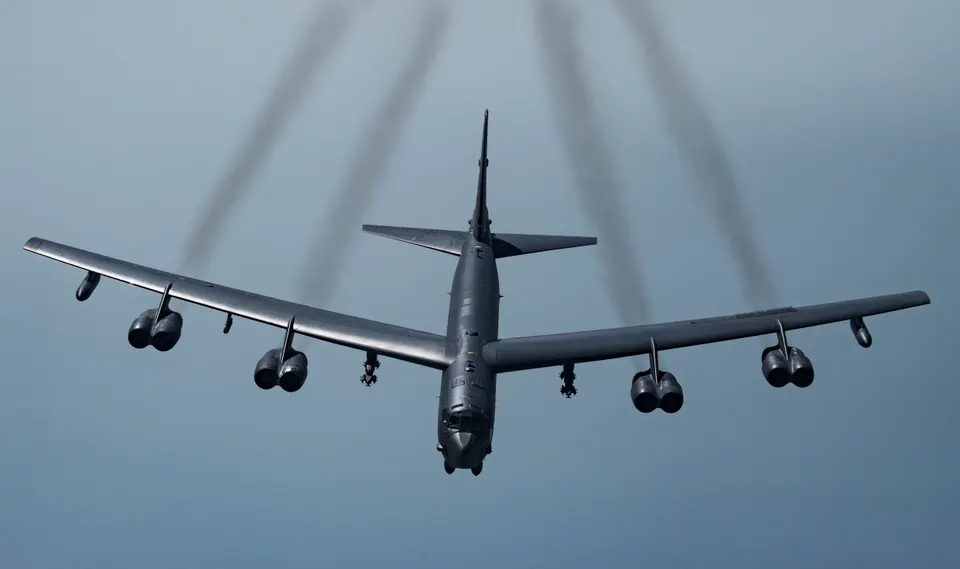
The geopolitical landscape shifted violently this hour following reports from Axios that the U.S. Central Command (CENTCOM) has prepared a series of "short and powerful" strike options to be presented to President Trump. While the administration has not confirmed an imminent operation, the mere existence of a formalized strike package has sent shockwaves through energy markets. Brent crude and global oil benchmarks have hit their highest levels since 2022, as traders price in the possibility of a direct kinetic confrontation in the Persian Gulf. This development follows weeks of escalating rhetoric, but the specific mention of a CENTCOM briefing suggests that the planning phase has moved into a high-readiness posture.
For the global economy, this surge in energy costs threatens to reignite inflationary pressures that central banks have been struggling to contain. If the situation escalates to a blockade or a physical disruption in the Strait of Hormuz, analysts warn that the current price levels are only the beginning. The market is currently in a state of "fear-driven discovery," where technical indicators are secondary to the news cycle. The psychological impact of a potential U.S. military move against Iran is outweighing current supply-demand fundamentals, creating a volatile environment for both institutional investors and regional states whose budgets depend on stable energy flows.
Tehran Market Reaction: Toman and Gold in Freefall
The domestic market in Iran has responded to the news with predictable urgency. The US Dollar (USD/IRR) moved from 178,850 to 180,850 (+1.1%) within the last 24 hours, officially crossing the psychological threshold of 180,000 Toman. This move reflects a deepening anxiety among local investors who are seeking refuge in hard currency as geopolitical risks mount. The currency's depreciation is being mirrored by an even more aggressive move in the gold market. Gold 18k per gram surged from 19,797,543 to 20,318,805 Toman, a significant +2.6% jump that suggests a rush toward liquid, inflation-proof assets.
This market behavior indicates that the public is not merely watching the news but actively hedging against the possibility of a major economic shock. While the Emami coin remained stable at 202,000,000 Toman, the broader gold and currency indices suggest that the stability is fragile. The widening gap between the official and open-market rates, combined with the spike in gold, points to a lack of confidence in immediate diplomatic de-escalation. For the average Iranian consumer, these numbers translate directly into higher import costs and a further erosion of purchasing power, making the current geopolitical standoff an intensely personal economic crisis.
Transatlantic Rifts and Global Security Emergencies
The tension is not limited to the Persian Gulf, as President Trump has reportedly threatened Germany with a reduction in U.S. troop presence. This threat comes in direct response to German Chancellor Merz’s criticism of the U.S. posture toward Iran, which he characterized as lacking a viable exit strategy. This deepening rift within NATO highlights the isolation of the current U.S. administration's Middle East policy from its traditional European allies. The friction suggests that any potential military action would likely be a unilateral or narrowly coalition-based effort, further complicating the international legal and economic fallout.
Meanwhile, in the United Kingdom, security concerns have reached a fever pitch following a terrorist incident in Golders Green, London. The British government has pledged an additional £25 million to secure Jewish communities after the stabbing of two men, an event now officially declared a terrorist attack. The suspect, a 45-year-old British national, has brought the issue of domestic radicalization back to the forefront of UK politics. This atmosphere of global instability—from the streets of London to the boardrooms of Berlin and the waters of the Gulf—creates a "polycrisis" environment where localized events are increasingly viewed through the lens of a broader, more dangerous international confrontation.
Crypto Divergence: Bitcoin Slips as Memecoins Rally
In the digital asset space, the reaction to the Iran-US tension has been mixed, defying the "digital gold" narrative for Bitcoin. BTC has slipped below the $76,000 mark, currently trading at 76,046 as investors pull back from risk-on assets in favor of traditional safe havens like physical gold. The hawkish stance of the Federal Reserve, combined with the fear of a regional war, has created a headwind for the largest cryptocurrency. However, in a bizarre twist characteristic of the current market, Dogecoin has zoomed 10%, breaking away from the broader market trend as open interest in DOGE-tracked futures hits a yearly peak. This suggests that while institutional money might be de-risking, retail speculative fervor remains alive in specific niches.
The divergence between Bitcoin and the rest of the market highlights the current confusion among global traders. Typically, Bitcoin acts as a hedge against currency debasement, but the immediate threat of kinetic warfare often triggers a flight to the U.S. Dollar and physical bullion first. For Iranian crypto users, the surge in the USDT price to 17,730 Toman reflects the local currency's weakness more than the global crypto trend. As long as the threat of strikes remains on the table, the crypto market is likely to remain highly sensitive to every headline from Washington and Tehran, making it a treacherous time for leveraged traders.
Frequently Asked Questions
Why is the Toman falling so rapidly today?
How does the US-Germany rift affect the Iran situation?
Is Bitcoin still a safe haven during regional conflicts?
What is the 'short and powerful' strike option mentioned in reports?
Understanding the Strait of Hormuz: Why It Moves Global Oil Prices
The Strait of Hormuz, a narrow waterway between Oman and Iran, is one of the world’s most critical maritime chokepoints. Roughly 20% of global petroleum—about 21 million barrels per day—passes through its 21‑nautical‑mile width, making any disruption instantly felt on the global oil market. Because the strait connects the Persian Gulf’s oil‑rich fields to the open ocean, even the threat of a closure can trigger speculative buying, driving prices up sharply.
Geopolitical tension is the primary driver of volatility in the Hormuz corridor. When political leaders, such as former U.S. President Donald Trump, hint at military options against Iran, or when Iran threatens to close the strait in retaliation for sanctions, traders price in the risk of supply cuts. The resulting “risk premium” is added to the spot price of crude, explaining why headlines about a possible U.S.–Iran strike often coincide with sudden oil price spikes.
History shows that actual closures are rare, but short‑term incidents have had outsized effects. In 2019, Iran’s seizure of two oil tankers and attacks on nearby vessels caused a brief but sharp price jump, and in 2020 the COVID‑19 pandemic combined with regional tensions pushed oil into negative territory before a rapid rebound when the strait remained open. These episodes illustrate how the mere perception of insecurity can be enough to move markets.
For economies like Iran, where the official exchange rate (USD/IRR) can swing dramatically—recently breaching 180,000 rials per dollar—the Hormuz factor is especially potent. A tighter strait raises export revenues in foreign currency, but also fuels inflation at home as imported goods become costlier. Investors watch the strait’s status closely, alongside other assets such as gold and Bitcoin, which often react inversely to oil price movements.
Understanding the strategic importance of the Strait of Hormuz helps explain why a single geopolitical headline can ripple through commodity markets, exchange rates, and even the price of unrelated assets like gold or digital currencies. It remains a bellwether for global energy stability and a reminder of how geography still shapes economics.