Trump’s Blockade Threat Pushes Oil to $126 as Royals Visit Manhattan Amid Global Unrest
جهش قیمت نفت به ۱۲۶ دلار با تهدید ترامپ؛ سایه سنگین بحران هرمز بر بازارهای تهران و نیویورک
As King Charles III tours New York, the global economy faces a 'frozen conflict' between the US and Iran that has already wiped out 1.6 million barrels of daily oil demand. In Tehran, the dollar has crossed the 180,000 Toman threshold, while gold prices surged 1.6% in just 24 hours.
At time of publishing
USD
180,050
Toman
Gold 18K
20.10M
Toman / gram
Bitcoin
$75,834
US Dollar
Tether
17,861.9
Toman
Soft Power vs. Hard Realities in Manhattan
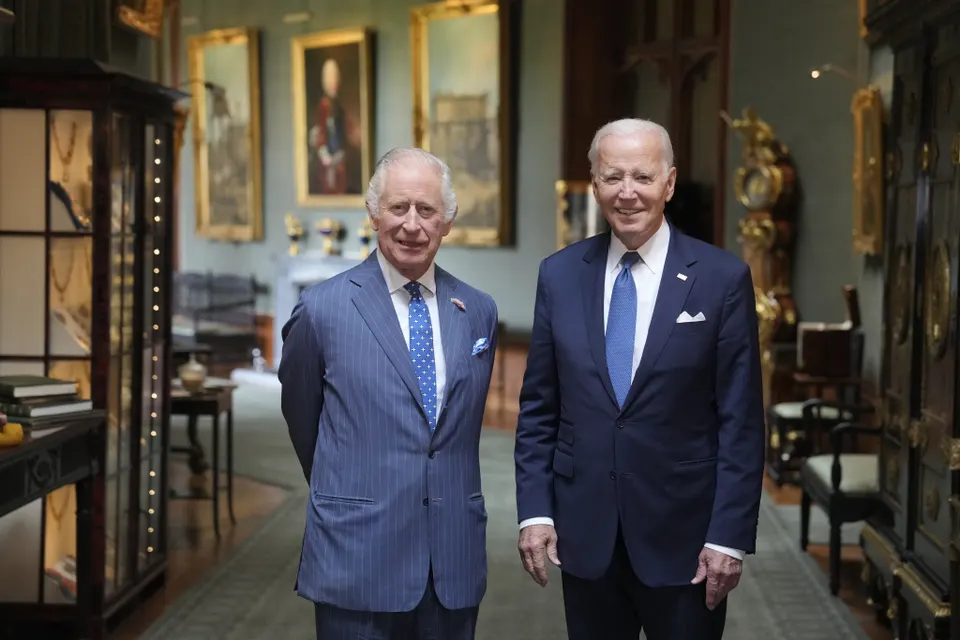
King Charles III and Queen Camilla have begun a high-profile visit to New York City, crisscrossing Manhattan in a series of carefully choreographed photo opportunities. While the royal couple laid flowers at the September 11 memorial and visited the New York Public Library, the backdrop of their visit is anything but peaceful. This display of British soft power comes at a moment when the transatlantic alliance is under immense pressure to manage the escalating maritime conflict in the Persian Gulf. For observers in Tehran and London, the contrast between the serene library halls and the volatile energy markets is a stark reminder of the bifurcated world we now inhabit, where diplomatic ceremonies continue even as the global order teeters on the edge of a broader conflagration.
This visit is not merely about symbolism; it serves as a diplomatic bridge-building exercise during one of the most fractured periods in modern history. As the King attends business events and galas, the underlying discussions likely revolve around the stability of global trade routes and the preservation of the international financial system. For Iranian markets, such high-level movements in the West are often viewed as indicators of potential shifts in diplomatic pressure or the hardening of Western resolve. The royal presence in the financial capital of the world reinforces the image of a united front, even as the actual mechanics of resolving the Middle East crisis remain stalled in a cycle of attrition.
Trump’s Blockade and the $126 Oil Threshold
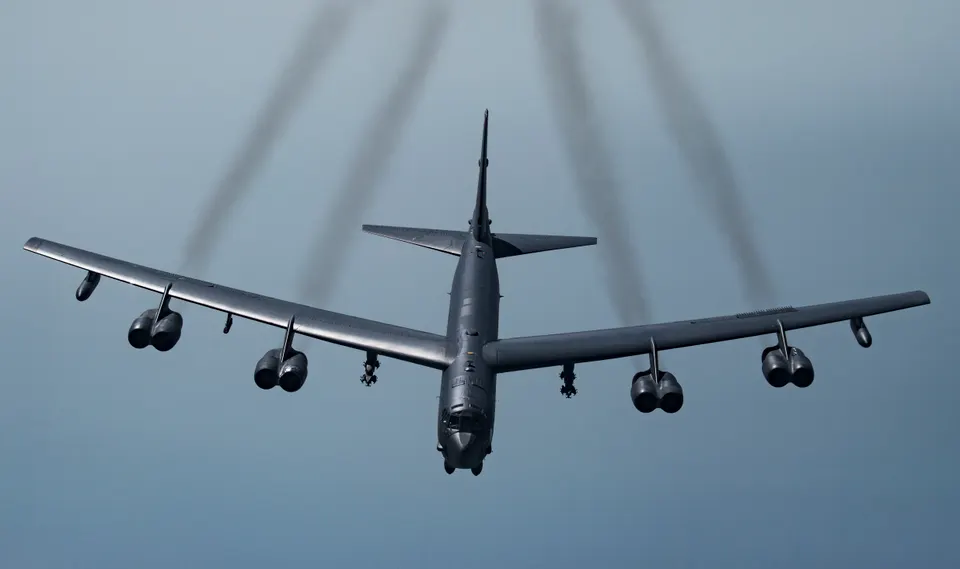
The energy world was sent into a tailspin this morning after Donald Trump warned that the US Navy blockade of Iranian ports could last for "months." This rhetoric has propelled Brent crude above the $120 mark, eventually hitting a record-shattering $126 a barrel. This price level has not been seen since the early days of the 2022 Ukraine crisis, and its return signals a deep-seated fear that the Strait of Hormuz will remain effectively closed for the foreseeable future. Analysts are now grappling with the reality of "demand destruction," noting that the surge has already wiped out 1.6 million barrels per day (bpd) in global oil consumption. However, this is a drop in the bucket compared to the 13 to 14 million bpd of supply currently trapped or destroyed by the conflict.
What makes this situation particularly dangerous is the emergence of a "frozen conflict" dynamic. Unlike traditional wars with clear front lines, the current US-Iran standoff is becoming a war of economic attrition. The sustained blockade is not just a military maneuver; it is a tool of maximum financial pressure that targets the very heart of the global energy supply chain. As supply destruction continues to outpace demand destruction by nearly tenfold, the upward pressure on prices appears structural rather than transitory. For the average consumer and the industrial sectors alike, this means that the era of cheap energy is being replaced by a period of extreme volatility and scarcity that could redefine global inflation for the rest of 2026.
Tehran Markets: The 180,000 Toman Barrier Breaks
In the local markets of Tehran, the geopolitical heat has translated into a sharp devaluation of the national currency. The US Dollar (USD) moved from 178,850 to 180,050 Toman, marking a 0.7% increase in a single day. This psychological breach of the 180k level has triggered a rush toward safe-haven assets, most notably gold and coins. Gold 18k per gram jumped significantly, rising from 19,797,543 to 20,104,806 Toman (+1.6%). The Emami coin also saw a rise, moving from 202,000,000 to 203,000,000 Toman (+0.5%). This divergence—where gold is rising faster than the dollar—suggests that investors are not only hedging against local currency weakness but also reacting to the global surge in gold prices, which currently sit at a staggering $4,590.20 per ounce.
The market sentiment in Tehran is currently dominated by the fear of a protracted conflict. While the Central Bank of Iran has attempted to manage liquidity, the sheer force of the news coming from the Persian Gulf and the White House has made stabilization difficult. Traders are closely watching the $126 oil price, as it represents a double-edged sword: while it theoretically increases the value of Iran's energy reserves, the blockade prevents that value from being realized through exports. This paradox is creating a liquidity squeeze in the domestic market, driving up the cost of imports and fueling inflationary expectations that the 180,000 Toman dollar may only be the beginning of a new upward trend.

Global Instability and the Security Crisis
Adding to the sense of global unease, a terror attack in Golders Green, London, has put the UK government under immense pressure to tackle rising domestic tensions. The stabbing of two Jewish men, which has been declared a terrorist incident, highlights how regional conflicts in the Middle East are spilling over into the streets of major Western capitals. The Home Secretary has announced £25 million in emergency funding to boost security for Jewish communities, but the incident has already contributed to a broader sense of social fragmentation. For global markets, such events increase the "risk premium" on all assets, as political instability in a major financial hub like London suggests that the costs of the current geopolitical standoff are no longer confined to the energy sector.
Simultaneously, the financial world is looking at the massive balance sheets of upcoming events like the 2026 FIFA World Cup. With revenue projections hitting $13 billion, the contrast between the booming sports economy and the struggling energy-dependent sectors is jarring. While FIFA prepares for its most lucrative tournament in history across North America, the very countries hosting the event are dealing with an oil shock that threatens to derail broader economic growth. This divergence between the "entertainment economy" and the "real economy" of energy and commodities illustrates the complex, multi-speed world of 2026, where massive profits and systemic crises exist side-by-side.
Frequently Asked Questions
Why is the price of oil rising despite 'demand destruction'?
What caused the USD to break the 180,000 Toman mark in Tehran?
How is the global gold price affecting the Iranian market?
What is the significance of King Charles III's visit to New York right now?
The Strategic Significance of the Strait of Hormuz
The Strait of Hormuz, a narrow waterway connecting the Persian Gulf with the Arabian Sea and the Gulf of Oman, stands as arguably the world's most critical oil chokepoint. Its strategic importance stems from its geographical position: it is the sole maritime passage for a substantial portion of the world's oil supply, particularly from major Middle Eastern producers like Saudi Arabia, Iran, UAE, Kuwait, and Iraq. Any disruption to transit through this strait has immediate and profound implications for global energy markets, as evidenced by historical tensions and the headline's "blockade threat."
At its narrowest point, the strait is only about 21 nautical miles (39 kilometers) wide, with shipping lanes just two miles wide in each direction. Despite its modest size, over one-fifth of the world's total petroleum liquids consumption, and roughly one-third of all seaborne traded oil, passes through this waterway daily. This immense volume underscores why threats to its security, such as a potential blockade, can send crude oil prices soaring, as seen with Brent crude's hypothetical jump to $126 in the headline. The sheer concentration of vital energy flows through such a confined space makes it exceptionally vulnerable to geopolitical instability.
A blockade or significant disruption in the Strait of Hormuz would not only halt or severely impede oil exports from several key OPEC members but also impact the global supply chain for liquefied natural gas (LNG). Such an event would trigger an immediate and dramatic surge in global oil prices due to a sudden and massive supply shock. This price volatility would have cascading effects on economies worldwide, increasing transportation costs, fueling inflation, and potentially leading to a global economic slowdown or recession.
Beyond the immediate price spike, prolonged disruption could lead to what economists call "demand destruction." This occurs when sustained high energy prices force consumers and industries to drastically reduce their energy consumption, either by finding alternatives, improving efficiency, or simply cutting back on activities that require fuel. While a blockade's primary impact is on supply, the resulting exorbitant prices would eventually curb demand, albeit at a severe economic cost. Understanding the Strait of Hormuz's pivotal role is crucial for comprehending the fragility of global energy security and the far-reaching consequences of geopolitical tensions in the Middle East.