Eurozone Inflation Hits 3% as Iran War Fuel Costs Soar; Brent Crude Peaks at $126 on Blockade Fears
تورم اروپا به ۳ درصد رسید؛ نفت ۱۲۶ دلاری و نوسان معکوس طلا و سکه در بازار تهران
Eurozone inflation spiked to 3% in April as the conflict in Iran sends energy costs soaring, forcing major airlines to slash capacity. Meanwhile, Brent crude has hit $126 per barrel following President Trump's warning of a months-long naval blockade, creating a volatile environment for global markets and Iranian gold prices.
At time of publishing
USD
178,750
Toman
Gold 18K
20.18M
Toman / gram
Bitcoin
$76,041
US Dollar
Tether
17,671
Toman
Energy Crisis Drives Eurozone Inflation to 3%
The economic fallout of the conflict in Iran is now manifesting sharply in European data. Eurostat reported on Thursday that inflation across the eurozone surged to 3% in April, a significant jump from 2.6% in March and a mere 1.9% in February. This rapid escalation is primarily driven by skyrocketing energy prices as the war continues to disrupt global supply chains. The European Central Bank (ECB) now faces a deepening dilemma: interest rate decisions are looming while growth across the bloc stumbles under the weight of rising costs. For European consumers, the era of cheap energy has ended abruptly, replaced by a wartime economy that threatens to stifle the post-pandemic recovery.
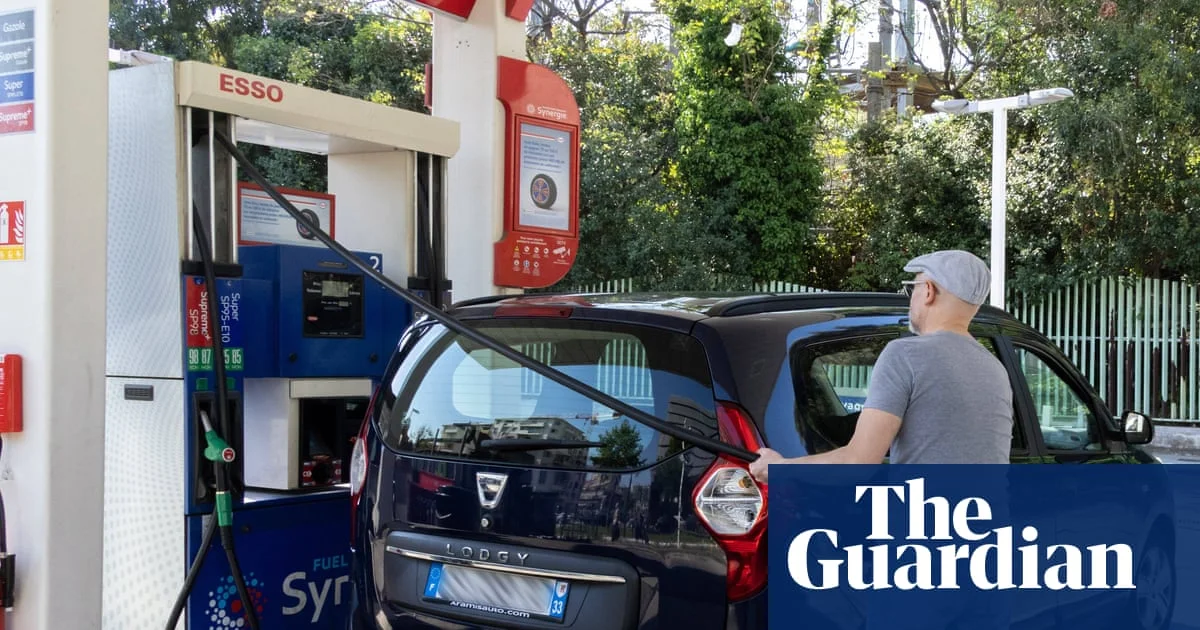
The aviation sector is among the first to sound the alarm. Air France-KLM has already cut its capacity growth forecasts for the year, citing an expected $2.4 billion increase in its fuel bill directly attributed to the Middle East conflict. As Brent crude prices remain volatile, airlines are struggling to pass these costs onto passengers without killing demand. This "inflationary shockwave" is not just a European problem; it signals a period of global stagflation where prices rise while economic output stalls, a scenario that central banks are increasingly powerless to fight if the geopolitical triggers remain unresolved.
Oil Hits $126 as Trump Warns of Months-Long Blockade
Global energy markets are in a state of high alert as Brent crude futures topped $126 per barrel this afternoon, the highest level seen since 2022. The latest surge was triggered by President Donald Trump’s aggressive rhetoric, warning that the U.S. naval blockade of Iranian ports could persist for "months" rather than weeks. With the Strait of Hormuz effectively shut and the U.S. showing no signs of de-escalation, traders are pricing in a long-term supply deficit. This 13% surge in just 24 hours reflects a market that has abandoned hope for a quick diplomatic resolution, fearing a total removal of Iranian barrels from the global balance for the foreseeable future.
This spike is causing immediate ripples in global logistics and manufacturing. While China’s CNPC has pledged to make "every effort" to ensure domestic supply security, the reality is that the global pool of available crude is shrinking. The exit of the UAE from OPEC+ further complicates the picture, as it suggests a breakdown in the traditional oil-producing alliance just when the world needs coordinated stability. For the average reader, this translates to higher costs for everything from gasoline to plastic goods, as the $126 price point acts as a tax on global consumption that could trigger a worldwide recession if sustained through the summer.
US Political Gridlock and the Crypto Risk Sentiment
In Washington, the political cost of the war is becoming a central theme as Defense Secretary Pete Hegseth faced a grueling session in Congress. Lawmakers are questioning the $25 billion price tag of the initial conflict phase and the justification for launching operations without explicit congressional approval. While the Biden-era diplomacy has stalled, the Trump administration’s rejection of Iran’s proposals regarding the Strait of Hormuz has left negotiations at a total impasse. This domestic friction in the U.S. is creating a "risk-off" sentiment in financial markets, as investors worry about the long-term fiscal health of the U.S. amid rising military expenditures.
This geopolitical tension has kept the crypto markets in a state of nervous consolidation. Bitcoin (BTC) is currently trading at $76,041, struggling to gain momentum despite the inflationary environment that usually favors digital gold. The most recent Federal Reserve meeting was described as the "most hawkish in years," as officials signaled that interest rates must stay higher for longer to combat the energy-driven inflation. For Iranian crypto users, this creates a double-edged sword: while Bitcoin remains a hedge against the local Toman, the global strength of the USD and high interest rates are preventing a massive breakout in crypto prices, keeping assets like Ethereum (ETH) suppressed at the $2,259 level.
Tehran Market Divergence: Gold Rises as Coins Retreat
The Iranian domestic market is exhibiting a rare and fascinating divergence today. While the USD/IRR remained relatively stable, moving slightly from 178,850 to 178,750 (-0.1%), the gold market saw significant internal shifts. Gold 18k per gram jumped by 1.9% to reach 20,176,831 Toman, tracking the international surge in bullion and energy-related risk. However, the Emami coin actually fell by 2.0%, dropping from 202 million to 198 million Toman. This suggests a massive cooling of the "bubble" (Hobab) in the coin market, as investors shift their preference toward raw gold or other liquid assets amid the uncertainty of the blockade.
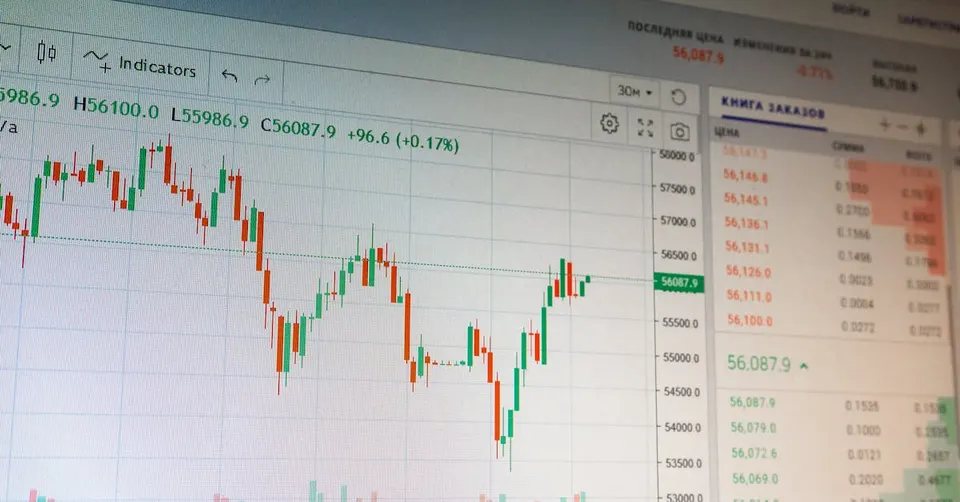
This behavior indicates that the Iranian public is becoming more sophisticated in its hedging strategies. Rather than blindly buying minted coins at high premiums, the move toward 18k gold suggests a flight to intrinsic value. With the global gold ounce sitting at a staggering $4,640.90, the local market is being pulled between the reality of global inflation and the local liquidity crunch. For the average household, the rising cost of gold makes traditional savings more difficult, while the cooling of coin prices offers a warning that speculative bubbles can burst even in times of war.
Frequently Asked Questions
Why is the Eurozone inflation rate rising so quickly?
What caused Brent crude to reach $126 per barrel?
Why is gold rising while Emami coins are falling in Iran?
How is the US Congress reacting to the Iran conflict?
The Strait of Hormuz: A Geopolitical Chokepoint and its Global Economic Impact
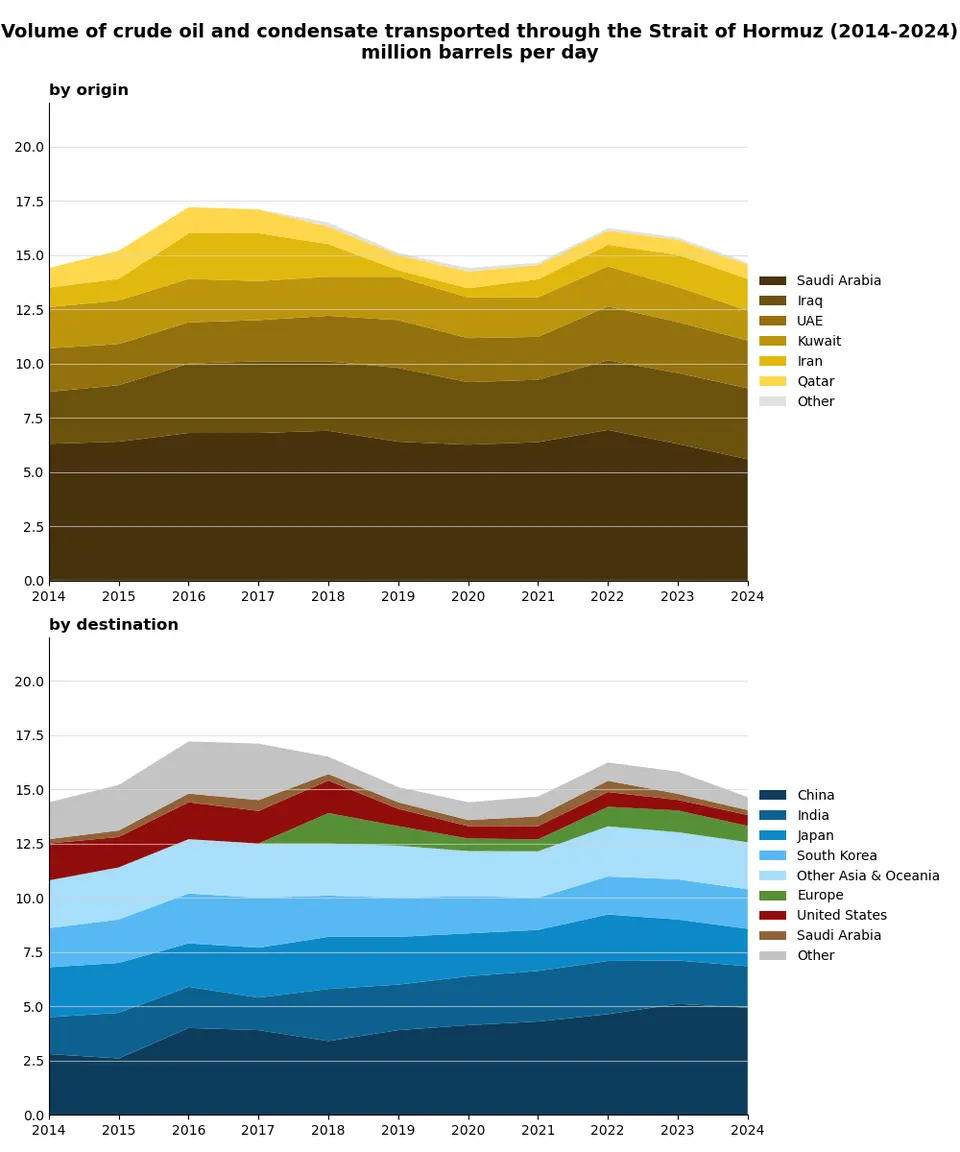
The Strait of Hormuz is not merely a narrow waterway; it is arguably the world's most critical oil transit chokepoint, connecting the Persian Gulf to the open ocean. Bordered by Iran to the north and Oman's Musandam peninsula to the south, this strategic passage is essential for a significant portion of the world's seaborne oil and liquefied natural gas (LNG) shipments. Its geographical significance means that any disruption, even the threat of one, can send immediate shockwaves through global energy markets, impacting economies far beyond the Middle East.
Geopolitical tensions, such as those alluded to by "Iran War fuel costs" and "Trump Iran blockade," directly translate into heightened risk within the Strait of Hormuz. When there is fear of a blockade or military conflict, the perceived supply of oil from major producers like Saudi Arabia, Iraq, and Kuwait, which rely on this strait, immediately diminishes. This creates a "supply shock" – a sudden and unexpected decrease in the availability of a commodity. The market reacts swiftly, driving up prices as buyers scramble for limited supplies, leading to phenomena like "Brent Crude peaks at $126."
These soaring oil prices have a cascading effect on the global economy. For industries heavily reliant on fuel, such as aviation (e.g., "Air France-KLM fuel costs"), operating expenses skyrocket, which often translates to higher ticket prices for consumers. Beyond transportation, increased energy costs impact manufacturing, agriculture, and virtually every sector that uses fuel or electricity derived from fossil fuels. This broad increase in production costs is a primary driver of inflation.
Consequently, the "Eurozone inflation hits 3%" mentioned in the headline is a direct symptom of such energy price surges. When the cost of essential inputs like oil rises dramatically, businesses pass these costs onto consumers, eroding purchasing power and potentially slowing economic growth. Even local markets, such as "Gold price Iran 2026" and "Emami coin price drop," can be indirectly affected as global economic uncertainty and inflation fears influence investor behavior and currency stability. Understanding the Strait of Hormuz's role is thus crucial for comprehending global economic vulnerabilities.