BoE Holds Rates Amid War-Driven Inflation; Tehran Signals 'New Chapter' for Hormuz Control
توقف نرخ بهره در انگلیس تحت تأثیر جنگ؛ تهران از «فصل جدید» مدیریت تنگه هرمز خبر داد
The Bank of England warns of 'unavoidable' inflation as the Iran-US conflict pushes oil to four-year highs. Meanwhile, Tehran's announcement of a new legal framework for the Strait of Hormuz has sent gold prices surging to record levels.
At time of publishing
USD
178,250
Toman
Gold 18K
20.11M
Toman / gram
Bitcoin
$76,075
US Dollar
Tether
17,635
Toman
Global Inflation and the Bank of England's Stance
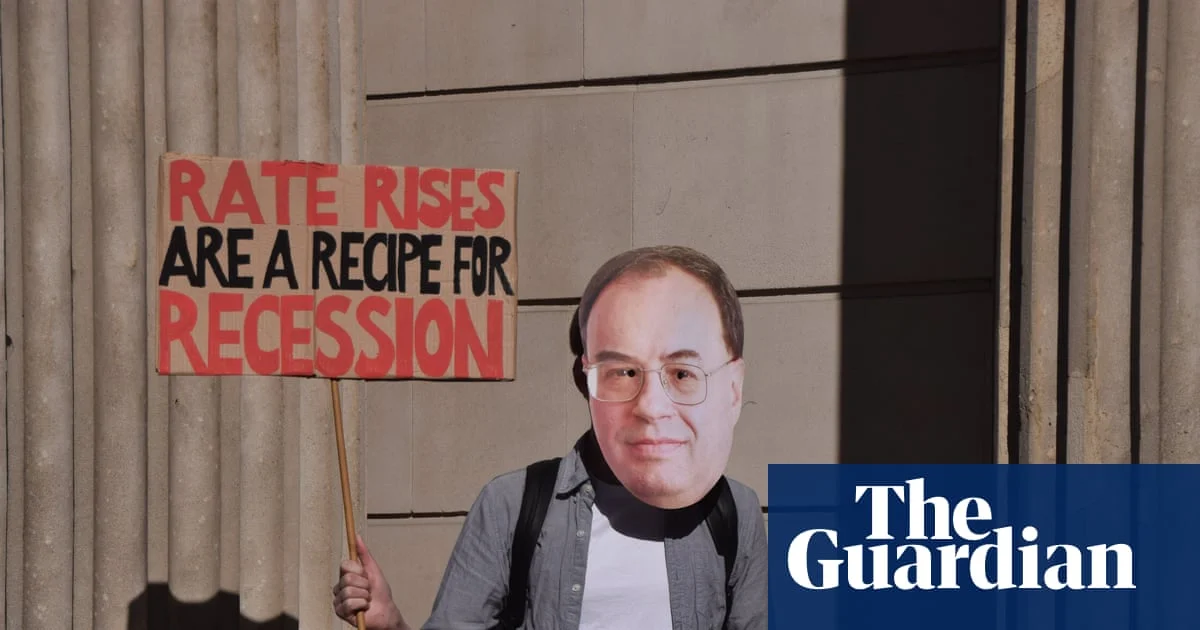
The Bank of England (BoE) has decided to maintain interest rates at 3.75%, a move that reflects the growing anxiety over global supply chains and energy costs. While the monetary policy committee was split, the prevailing sentiment is that the ongoing conflict in the Middle East has made higher inflation "unavoidable." The BoE's warning serves as a stark reminder that the economic consequences of the Iran-US escalation are no longer localized; they are driving up fuel costs and living expenses across the Western world. For global markets, this suggests that the era of aggressive rate cuts is on hold as central banks prioritize stability over growth.
For Iranian observers, the BoE's decision highlights a broader trend of global risk aversion. As international inflation rises, the cost of imports and the volatility of the Dollar index create a complex environment for the Toman. Despite a minor 0.3% dip today, bringing the USD sell rate from 178,850 to 178,250 Toman, the underlying global instability suggests that the currency market is far from a permanent cooling phase. The market is currently in a state of 'watchful waiting,' where any further escalation in the Persian Gulf could immediately reverse these minor gains.
The 'New Chapter' for the Strait of Hormuz
Geopolitical tensions reached a new peak this hour following statements from Tehran regarding a "new chapter" for the management of the Strait of Hormuz. Ayatollah Khamenei indicated that the Islamic Republic would enforce a new legal framework for the strategic waterway, a move that directly challenges international maritime norms. This development coincides with reports that Donald Trump has been briefing oil executives on the feasibility of a multi-month blockade of Iranian ports. This "who will blink first" strategy has kept Brent crude at its highest levels since March 2022, creating a massive risk premium in energy markets.
The impact on the Iranian domestic market has been most visible in the precious metals sector. Gold 18k per gram has jumped 1.6%, moving from 19,797,543 to 20,110,346 Toman. This surge is mirrored by the global gold ounce price, which has hit a staggering $4,632. Interestingly, the Emami coin has actually dropped 2.0% to 198,000,000 Toman, indicating a significant deflation of the 'bubble' (hobab) as investors shift from minted coins to raw gold and other hard assets amid fears of a physical blockade.
Crypto Resistance and the Energy Scramble
Bitcoin is currently facing heavy resistance at the $80,000 mark, with prices hovering around $76,075 as derivatives traders show signs of increasing risk aversion. The hawkish tone of the Federal Reserve, combined with the US Senate's debate over restricting digital currencies within the FISA renewal bill, has created a ceiling for crypto growth. Investors are increasingly wary of high-volatility assets as bond yields rise and oil prices remain stubbornly high. In the Iranian market, Tether (USDT) is trading at 17,635 Toman, serving as a primary exit ramp for those looking to hedge against further regional instability.
Beyond the financial screens, a global scramble for energy security is underway. ASEAN nations are moving to ratify a petroleum security pact to ensure fuel sharing during supply disruptions, while China’s CNPC has pledged to double down on domestic supply to cushion the shock of the Iran crisis. These structural shifts suggest that the world is preparing for a prolonged period of energy scarcity. For the Iranian economy, this means that while oil prices are high, the logistical and political costs of exporting energy are becoming a primary bottleneck, influencing everything from government budgets to the daily price of consumer goods.
Frequently Asked Questions
Why did the Bank of England keep interest rates at 3.75%?
What is the 'new chapter' for the Strait of Hormuz mentioned by Tehran?
Why is the price of gold 18k rising while Emami coins are falling?
How is the US-Iran war affecting the global crypto market?
The Strategic Significance of Maritime Choke Points: The Strait of Hormuz
Maritime choke points are narrow sea passages that are incredibly vital for global trade, particularly for the transport of energy resources. These geographical bottlenecks, often located in politically sensitive regions, become strategic flashpoints due to their immense economic and military importance. Controlling or influencing these passages grants significant leverage over international commerce and energy supply, making them central to geopolitical strategies and potential sources of conflict.
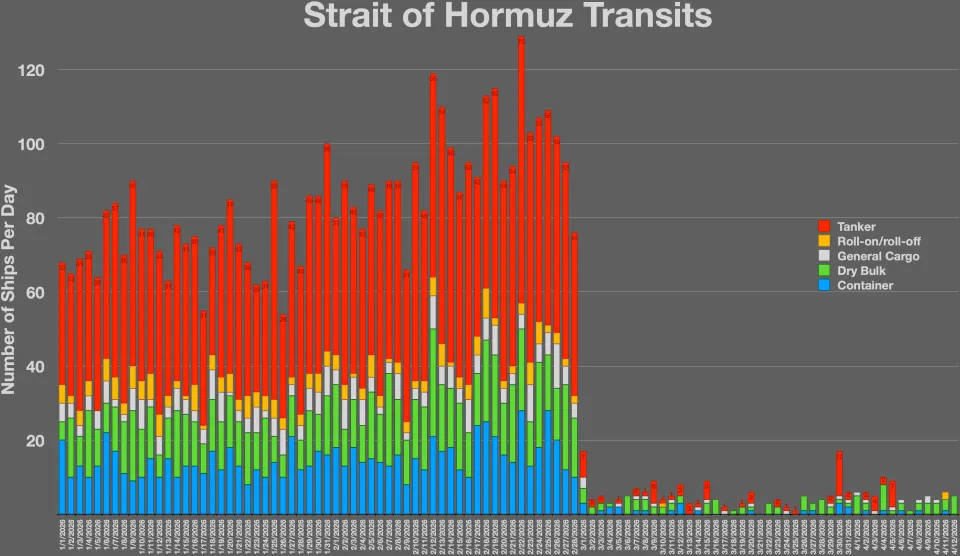
Among these critical choke points, the Strait of Hormuz stands out as arguably the most important. Situated between the Persian Gulf and the Gulf of Oman, it serves as the sole maritime passage for a substantial portion—estimated at around one-fifth to one-third—of the world's total petroleum consumption and a significant amount of liquefied natural gas (LNG). Oil and gas from major producers like Saudi Arabia, Iran, Iraq, Kuwait, Qatar, and the UAE must pass through this strait to reach global markets.
The implications of any disruption in the Strait of Hormuz are profound and far-reaching. Geopolitical tensions, military actions, or blockades in this vital waterway can immediately trigger global energy crises, leading to sharp supply shocks and dramatic increases in oil and gas prices. Such events directly contribute to "war-driven inflation" as energy costs ripple through economies, affecting everything from transportation to manufacturing and consumer prices. The global economy's reliance on this single passage creates a significant vulnerability.
Beyond immediate price hikes, prolonged instability in the Strait of Hormuz can have severe economic and political consequences. It forces central banks, like the Bank of England, to grapple with persistent inflationary pressures, influencing their interest rate decisions. It also accelerates the search for alternative energy sources and trade routes, while intensifying international diplomatic and military efforts to ensure freedom of navigation. Understanding the strategic role of such choke points is crucial for comprehending global energy security, international relations, and the intricate causes of economic volatility.