US Growth Rebounds to 2% Amid War Costs as Fed Faces Three-Year Inflation High
بازگشت رشد اقتصادی آمریکا به ۲ درصد در سایه هزینههای جنگ؛ بنبست فدرال رزرو در برابر تورم بیسابقه
Despite a rebound in US GDP driven by AI and government spending, the economy faces a 'war-tax' on consumers as inflation hits a 3-year high. Meanwhile, Tehran signals a willingness for diplomacy if maritime 'piracy' ends.
At time of publishing
USD
178,050
Toman
Gold 18K
20.07M
Toman / gram
Bitcoin
$76,210
US Dollar
Tether
17,635.3
Toman
US Economic Growth Rebounds Amidst War-Driven Inflation
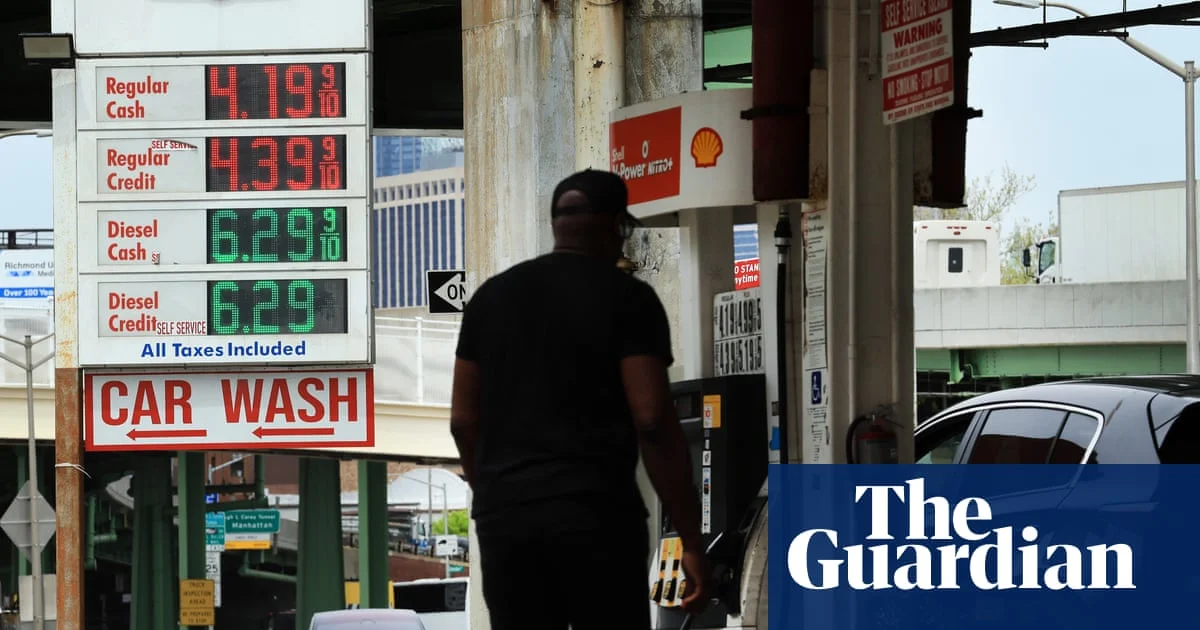
The United States economy has shown unexpected resilience in the first quarter of 2026, with Gross Domestic Product (GDP) accelerating at a 2% annual pace. This rebound comes after a sluggish end to 2025, where growth dipped to a mere 0.5%. The primary drivers of this expansion are not traditional consumer sectors, which are currently reeling from high energy costs, but rather massive investments in Artificial Intelligence infrastructure and continued government spending. However, the underlying data suggests a fragile recovery; consumer spending is visibly slowing as the ongoing conflict with Iran continues to exert upward pressure on fuel and logistics costs, effectively acting as a hidden tax on the American public.
Adding to the complexity is the significant contraction in the federal workforce, which has seen a reduction of 355,000 workers—nearly 12% of the total—since late 2024. While this austerity was intended to curb the deficit, the resulting labor market shifts are creating friction in public services. For Iranian observers, this economic data is a double-edged sword. While a stronger US economy usually bolsters the Dollar, the inflationary pressure from war costs suggests that the Greenback's global purchasing power is being tested. Locally, we see the USD sell rate at 178,050 Toman, a slight 0.4% decrease from 178,850, indicating a momentary pause in the currency's aggressive rally as markets digest these conflicting signals.

The Federal Reserve’s Impossible Choice
As the US economy attempts to find its footing, the Federal Reserve is facing its most significant challenge in decades. Inflation has leaped to a nearly three-year high, driven largely by the energy shock resulting from the maritime instability in the Persian Gulf. Usually, such a spike in inflation would trigger an immediate interest rate hike. However, the Fed’s hands are tied; raising rates now could stifle the fragile 2% growth and tip the economy into a deep recession, especially as the cost of the Iran conflict remains a point of heated debate. Lawmakers on Capitol Hill are currently clashing over the true financial burden of the war, with estimates ranging wildly from a conservative $25 billion to a staggering $1 trillion when accounting for long-term regional stability operations.
This atmosphere of uncertainty is driving investors toward safe-haven assets. Gold has seen a notable surge, with 18k gold per gram rising 1.4% to 20,070,640 Toman. On the global stage, gold has hit an astonishing $4,631.90 per ounce. This flight to quality reflects a lack of confidence in traditional fiat currencies and monetary policy's ability to navigate a wartime environment. The 'Fed split' is becoming more apparent, as officials are divided between those prioritizing inflation control and those fearing a systemic economic collapse. For the Iranian market, this means continued volatility in the gold and coin sectors, as the Emami coin has already ticked up 0.5% to 203,000,000 Toman in the last 24 hours.

Geopolitical Realignment: Germany, Trump, and the Cost of Conflict
The geopolitical landscape is shifting as rapidly as the markets. In Europe, Germany is significantly increasing its military spending, preparing for a potential future where the United States—under a possible second Trump term—pulls its troops from German soil. This move toward European strategic autonomy is being accelerated by Germany's support for US actions in the Middle East, which Berlin hopes to use as leverage in future negotiations with Washington. This realignment suggests that the global security architecture is becoming increasingly fragmented, with regional powers forced to shoulder more of their own defense burdens.
Closer to home, President Masoud Pezeshkian has signaled that Tehran is ready to resume diplomatic efforts, provided the United States abandons its 'maximalist approach' and ceases what he termed 'maritime piracy' against Iranian vessels. This overture comes at a critical time as the UAE surprises the world by exiting OPEC, a move that JP Morgan analysts suggest could lead to increased US investment in the Emirates once the Strait of Hormuz crisis is resolved. The intersection of economic survival and military posturing remains the dominant theme of the hour, as the world watches whether diplomacy or further escalation will dictate the price of oil and the stability of global trade routes.

Frequently Asked Questions
Why is US GDP growing while consumers are struggling?
Why hasn't the Federal Reserve raised interest rates to fight the new inflation peak?
What does the UAE's exit from OPEC mean for the region?
How is the Iranian gold market reacting to these global shifts?
Why Gold Shines During Inflation and Geopolitical Turmoil
Gold has long been called a safe‑haven asset, but its price movements are driven by a mix of macro‑economic forces that become especially pronounced when inflation spikes and geopolitical risk rises. When central banks, like the Federal Reserve, tighten policy to combat price pressures, real interest rates (the nominal rate minus inflation) can fall or even turn negative. Lower real yields reduce the opportunity cost of holding a non‑yielding asset, making gold more attractive to investors seeking to preserve purchasing power.
At the same time, wars or sanctions—such as the costs of the Iran‑related conflict in 2026—inject uncertainty into global supply chains and fiscal balances. This uncertainty fuels demand for assets that are perceived as store‑of‑value independent of any single currency. Gold’s price often climbs in tandem with the inflation‑risk premium that investors demand, a relationship documented in academic studies and reflected in the sharp price rally seen in April 2026 when gold breached the $2,200 per ounce mark.
Another key driver is the currency depreciation of nations under sanction pressure, like Iran’s rial. As the rial weakens against the dollar, domestic investors turn to gold to hedge against both inflation and exchange‑rate losses, further boosting global demand. The interaction between a weakening currency, rising commodity prices, and heightened geopolitical tension creates a feedback loop that can keep gold prices elevated for months.
Understanding gold’s role helps policymakers and market participants gauge the broader economic climate. While gold does not generate cash flow, its price serves as a barometer for inflation expectations, real‑rate outlooks, and the perceived severity of geopolitical risk. Consequently, tracking gold can provide early signals about shifts in monetary policy and the health of the global financial system.