Trump Threatens Germany Over Iran Policy as Global Markets Hit Historic April Highs
تهدید آلمان توسط ترامپ بر سر تنشهای ایران؛ رکوردشکنی تاریخی بازارهای جهانی در پایان آوریل
President Trump has escalated his feud with German Chancellor Merz, threatening troop withdrawals over disagreements on Iran strategy, while global stocks close out their best month since 2020. Meanwhile, Iran's oil industry faces a 'geological time bomb' as a naval blockade forces storage to critical limits.
At time of publishing
USD
178,050
Toman
Gold 18K
20.01M
Toman / gram
Bitcoin
$76,157
US Dollar
Tether
17,636.4
Toman
Transatlantic Rift Widens Over Iran Strategy
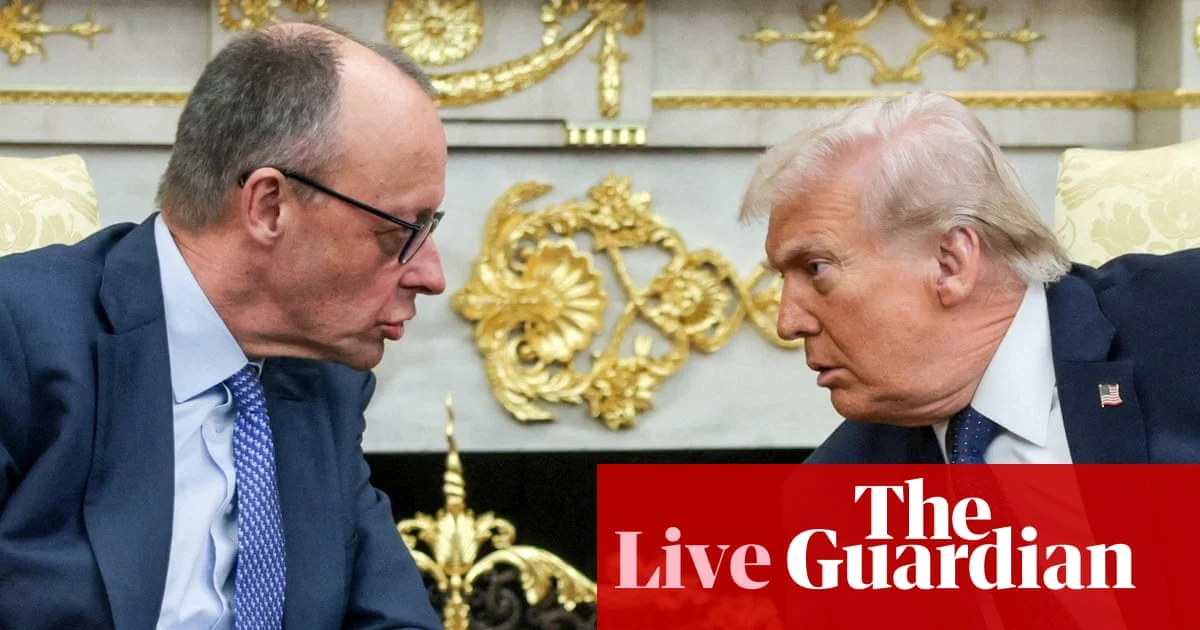
The geopolitical landscape has shifted dramatically this hour as President Donald Trump launched a fresh rhetorical assault on German Chancellor Friedrich Merz. The dispute centers on Germany's vocal criticism of the U.S. military approach toward Iran, leading Trump to suggest a significant reduction of American troops stationed in Germany. This escalation marks a dangerous low in NATO relations, with European leaders increasingly fearful of a U.S. administration that Dr. Christopher Featherstone describes as deliberately "provocative and unpredictable." The lack of a clear exit strategy from the current conflict has left the international community paralyzed, caught between supporting a key ally and avoiding a regional conflagration that could spiral out of control.
For Iran, this rift provides a complex backdrop. While a divided West might seem to offer diplomatic breathing room, the unpredictability of the Trump administration’s next move keeps the Iranian rial under immense pressure. Market participants in Tehran are closely watching these developments, as any sudden U.S. military escalation—unfettered by European counsel—could send the USD/IRR rate past previous psychological barriers. The current sentiment suggests that the U.S. is moving toward a policy of maximum isolation, regardless of the collateral damage to traditional alliances or global energy stability.
S&P 500 Records Best Month Since 2020 Amid War Volatility
Despite the looming shadow of war in the Middle East, Wall Street has closed out April with staggering gains. The S&P 500 rose 9.6% over the month, marking its strongest performance since the post-pandemic recovery of 2020. This rally was primarily fueled by the information technology sector, which surged nearly 18% as investors bet on AI-driven productivity to offset the inflationary pressures of rising energy costs. However, the optimism is cautious; while stocks are climbing, the volatility in the energy markets remains a persistent threat to global growth.
In the commodities space, oil prices saw a slight retreat after touching four-year highs, as traders balanced the fear of a full-scale U.S.-Iran war against signs of demand destruction in high-cost regions like California, where gas has breached $6 a gallon. This cooling off in oil futures provides a temporary reprieve for global central banks, including the Bank of England and the ECB, which held interest rates steady this Thursday. For the average Iranian investor, the strength of the U.S. dollar and the resilience of global equities mean that capital flight remains a risk, as the local market continues to struggle with the dual pressures of sanctions and domestic inflation.
Iran’s Oil Industry Faces a 'Geological Time Bomb'
Beyond the headlines of naval blockades and missile strikes, a more silent and permanent threat is emerging for Iran’s economy: the physical integrity of its oil fields. As the U.S. naval blockade enters its third week, Iranian storage facilities are rapidly reaching their maximum capacity. Industry monitors report that tankers are unable to move crude through the Strait of Hormuz, forcing the National Iranian Oil Company to consider shutting down production at several major sites. Unlike a simple tap, shutting down an active oil well can cause irreversible damage to the reservoir's pressure and geological structure, potentially leading to a permanent loss of production capacity.
This "geological time bomb" puts Tehran in an excruciating position. If the blockade persists, the choice will be between making significant diplomatic concessions or risking the long-term viability of the country’s primary wealth generator. This physical constraint on oil production is arguably more dangerous than financial sanctions, as it threatens the infrastructure that would be needed for any future economic recovery. Local markets are reacting to this existential threat with a flight to safety; gold 18k in Tehran rose from 19,797,543 to 20,006,694 Toman (+1.1%) in the last 24 hours, reflecting deep-seated anxiety about the state’s long-term fiscal health.
Tehran Market Snapshot: Gold Rises as USD Stabilizes
As of 18:00 Tehran time, the domestic currency market has shown a rare moment of relative stability despite the geopolitical firestorm. The USD sell rate moved from 178,850 to 178,050 Toman, a minor decrease of 0.4%. This slight correction is likely due to the Central Bank's intervention and a temporary exhaustion of buyers at the 180k level. However, the broader trend remains bearish for the Rial, especially as the global price of gold continues its upward trajectory. The ounce of gold is currently trading at a staggering $4,617.70, pushing local prices higher regardless of currency fluctuations.
The gold coin market is also showing signs of persistent demand. The Emami coin rose from 202,000,000 to 203,000,000 Toman (+0.5%) over the last day. This divergence—where gold rises while the dollar experiences a minor dip—indicates that Iranians are increasingly using gold as a hedge against not just currency devaluation, but the systemic risk of a prolonged regional conflict. With the S&P 500 hitting record highs and the U.S. economy showing resilience, the global strength of the dollar remains the primary anchor weighing down the Iranian economy for the foreseeable future.
Frequently Asked Questions
Why is Trump threatening to withdraw U.S. troops from Germany?
What is the 'geological time bomb' facing Iran's oil industry?
How did the S&P 500 record its best month since 2020 during a war?
The Strategic Chokepoint: Why the Strait of Hormuz Matters to Global Markets
The Strait of Hormuz, a narrow waterway between Oman and Iran, is one of the world’s most critical maritime chokepoints. Roughly 20% of global petroleum—about 21 million barrels per day—passes through this 21‑mile-wide channel, making it a linchpin for energy‑dependent economies. Because the strait sits at the mouth of the Persian Gulf, any disruption—whether from military tension, piracy, or accidental damage to oil infrastructure—can instantly tighten global oil supplies and send prices soaring.
Historically, the strait has been a flashpoint for geopolitical confrontations. During the Iran‑Iraq War in the 1980s, Iran mined the waters, prompting the U.S. Navy’s Operation Earnest Will to escort merchant vessels. More recently, in 2019, attacks on tankers by Yemen’s Houthi rebels threatened the flow of oil, prompting a brief but sharp spike in Brent crude prices. These episodes illustrate how the perception of risk, even without actual physical blockage, can ripple through financial markets, influencing equity indices like the S&P 500 and prompting investors to seek safe‑haven assets such as gold.
The economic implications extend beyond oil. A sustained closure would force oil‑importing nations to tap alternative routes—such as the longer, costlier journey around the Cape of Good Hope—raising shipping costs and inflating the price of consumer goods worldwide. Moreover, currency markets react sharply; the U.S. dollar often strengthens as investors flee to liquidity, while oil‑exporting currencies, including the Iranian rial (USD/IRR), experience heightened volatility.
Understanding the Strait of Hormuz’s strategic importance helps explain why policymakers, from former President Trump to Germany’s Friedrich Merz, closely monitor Iranian naval activity and regional diplomatic moves. A single incident—like a threatened oil blockade or damage to offshore wells—can trigger a cascade of market reactions, from equity rallies to commodity price swings, underscoring the interconnectedness of geopolitics and global finance.