Pakistan Mediates Iranian Crew Release as Bitcoin Flirts with $80,000 and Oil Recession Warnings Mount
میانجیگری پاکستان برای آزادی خدمه ایرانی؛ نوسان بیتکوین در مرز ۸۰ هزار دلار و هشدار رکود جهانی نفت
Pakistan has facilitated the return of 22 Iranian crew members from a US-seized vessel, signaling a rare diplomatic bridge. Meanwhile, Bitcoin has briefly touched the $80,000 milestone as analysts warn that $125 oil could trigger a global recession.
At time of publishing
USD
189,500
Toman
Gold 18K
20.87M
Toman / gram
Bitcoin
$79,693
US Dollar
Tether
18,882.2
Toman
Pakistan Facilitates Release of Iranian Crew from US-Seized Vessel
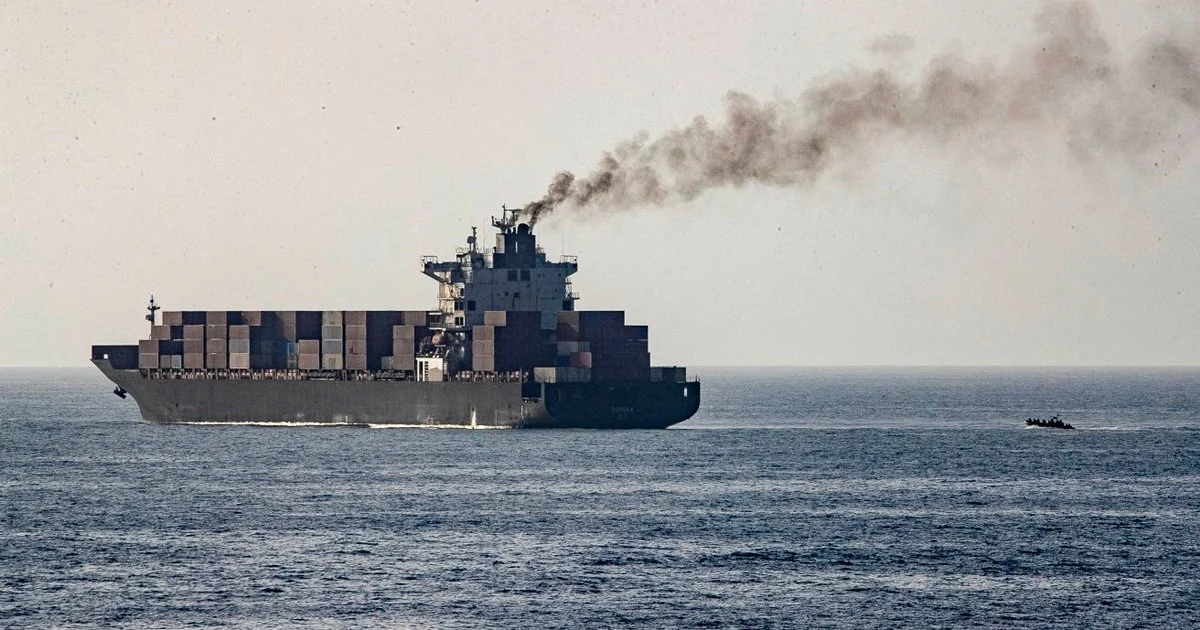
In a significant diplomatic development, Pakistan has successfully mediated the transfer of 22 Iranian crew members from the MV Touska, a cargo ship previously seized by United States forces. The Pakistani government described this move as a "confidence-building measure" aimed at de-escalating the friction between Washington and Tehran. The crew members were transported to Pakistan before their final repatriation to Iran, highlighting Islamabad's continued role as a vital diplomatic conduit in a region increasingly polarized by maritime seizures and sanctions enforcement.
The seizure of the MV Touska had initially heightened fears of a prolonged legal and political standoff. However, the involvement of Pakistani officials suggests a tactical preference for humanitarian resolution over direct confrontation. While the vessel itself remains under scrutiny, the release of the crew provides a temporary relief valve for Iranian officials who have been under domestic pressure to ensure the safety of citizens working in international waters. For the broader market, this move signals that despite the harsh rhetoric of the "Project Freedom" naval policy, back-channel diplomacy remains functional, preventing a total collapse of regional communication.
Global Energy Security and the $125 Oil Recession Threat
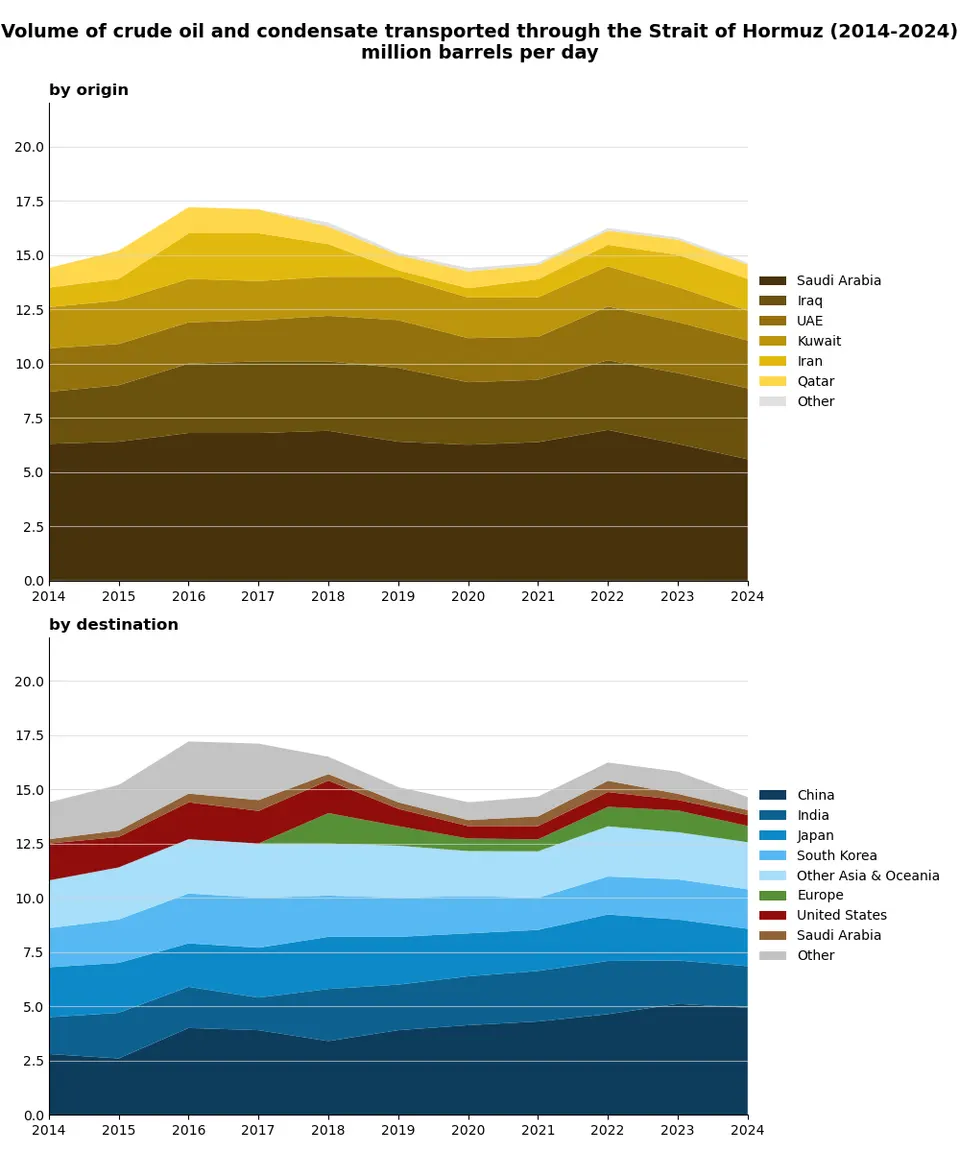
As the geopolitical landscape shifts, the global economy is facing a stark warning from Moody’s Analytics. Chief economists have pegged $125 per barrel of Brent crude as the critical threshold that could tip the world into a shallow recession. This warning comes as Australia and Japan commit to a new energy pact to "support the flow" of resources amid what Australian Treasurer Jim Chalmers described as the ongoing volatility of the Middle East conflict. The Australian government has notably prepared contingencies to shield households as global oil prices remain hostage to the instability involving Iran and the broader region.
This energy uncertainty is directly impacting domestic policy in major economies. Australia has signaled it will not extend fuel tax cuts, citing the need for "ambitious reform" in the face of global inflation. For Iranian observers, these developments are a double-edged sword; while higher oil prices theoretically increase the value of energy exports, the resulting global economic slowdown and tightened sanctions regimes often neutralize these gains. The talk of $125 oil is no longer a fringe theory but a baseline risk that central banks are now factoring into their 2026 growth projections.
Bitcoin Hits $80,000 as Toman Markets Show Resilience
In the financial markets, Bitcoin (BTC) has made a historic move, climbing past the $80,000 psychological barrier for the first time since January. The rally was buoyed by a surge in the MSCI AC Asia Index, indicating a renewed appetite for risk among institutional investors. As of the latest data, BTC is consolidating around $79,693, with traders closely watching whether the $80,000 level will flip from resistance to a solid support floor. This surge in digital assets reflects a broader trend of capital flight into decentralized hedges as traditional currency markets face inflationary pressures.
Domestically, the Iranian Toman has seen minor fluctuations. The USD/IRR rate moved from 189,100 to 189,500, representing a slight 0.2% increase in the dollar's value over the last 24 hours. Conversely, the gold market saw a slight cooling, with 18k gold per gram dropping from 20,992,428 to 20,868,230 Toman (-0.6%). The Emami coin, however, followed the slight upward trend of the dollar, rising 0.2% to reach 206,500,000 Toman. These divergent movements suggest that while gold is seeing some profit-taking, the demand for hard currency and digital assets remains a primary driver for local investors seeking to preserve purchasing power.
UK Targets Russian Supply Chains with New Sanctions
British Prime Minister Keir Starmer has announced that the UK is opening talks with the EU to join a massive €90bn loan scheme for Ukraine. This move is intended to allow British firms to access contracts funded by the loan, further integrating the UK's defense industry with European efforts. Alongside this financial commitment, Downing Street is preparing a fresh tranche of "stinging" sanctions targeting Russian companies involved in military supply chains. The goal is to further degrade Russia's military capability as Ukraine reports tactical gains of approximately 200sq km around the Kherson region.
For global markets, the expansion of sanctions indicates a long-term commitment to economic warfare that will continue to disrupt traditional trade routes. The UK’s focus on military supply chains suggests that any third-party nations or entities facilitating the transfer of dual-use goods to Russia will likely face increased scrutiny. This has direct implications for regional trade hubs in the Middle East and Central Asia, which have frequently been used as transit points. As the UK and EU align their sanction regimes, the window for "neutral" trade is narrowing, forcing businesses to choose between Western market access and lucrative but risky eastern partnerships.
Frequently Asked Questions
What was the significance of Pakistan's role in the MV Touska incident?
Why is $125 oil considered a recession trigger?
How did the Iranian gold and currency markets react today?
What are the new UK sanctions focusing on?
The Far-Reaching Impact of Economic Sanctions
Economic sanctions are powerful foreign policy tools used by countries or international bodies to influence the behavior of other states, entities, or individuals. These measures typically involve restrictions on trade, finance, or travel, aiming to achieve specific political, security, or human rights objectives without resorting to military force. While often presented as a non-violent alternative, sanctions can impose severe economic hardship and have significant geopolitical ramifications, as seen in various global scenarios.
The mechanisms of economic sanctions are diverse, ranging from comprehensive embargos that cut off all trade and financial ties to targeted measures focusing on specific sectors, individuals, or goods. For instance, the sanctions imposed by the UK and other nations on Russia following its actions in Ukraine have profoundly impacted global energy markets, contributing to volatility in oil prices and raising warnings of potential economic recession. These measures aim to cripple a target nation's economy by limiting its access to international markets, technology, and financial systems.
For targeted economies, the consequences can be profound. Sanctions can lead to severe currency depreciation, such as the volatility observed in the USD/IRR exchange rate for Iran, rampant inflation, and a diminished capacity for international trade. In response, sanctioned nations may seek alternative financial avenues, sometimes fostering the development or adoption of cryptocurrencies like Emami coin, or even increasing interest in global digital assets like Bitcoin, as a means to circumvent traditional financial systems. Diplomatic efforts, such as Pakistan's mediation in the Iranian crew release, often become crucial for managing the humanitarian and logistical challenges that arise under such restrictive economic environments.
Ultimately, economic sanctions are a double-edged sword. While they can exert significant pressure and potentially alter a target's behavior, they also carry the risk of unintended consequences, including humanitarian crises, regional instability, and disruption to global supply chains and markets. Understanding their intricate workings is essential for comprehending many contemporary geopolitical and economic developments, from energy prices to currency fluctuations and the rise of alternative financial instruments.
Topics
Related Articles