Hormuz Standoff Intensifies as Iran Warns US Forces; Bitcoin Hovers at $79,800 Amid Global Energy Shift
هشدار تند نظامی ایران به آمریکا در تنگه هرمز؛ نوسان بیتکوین در مرز ۸۰ هزار دلار و بحران انرژی در آسیا
Iran has issued a stern warning against US 'guidance' of ships in the Strait of Hormuz, while Japan and Australia forge new energy pacts to mitigate the 'enormous impact' of the regional crisis. Meanwhile, Bitcoin remains resilient near $80,000 as veteran traders eye a long-term surge to $250,000.
At time of publishing
USD
188,900
Toman
Gold 18K
20.95M
Toman / gram
Bitcoin
$79,834
US Dollar
Tether
18,888.7
Toman
Iran Warns of 'Harsh Response' to US Naval Presence
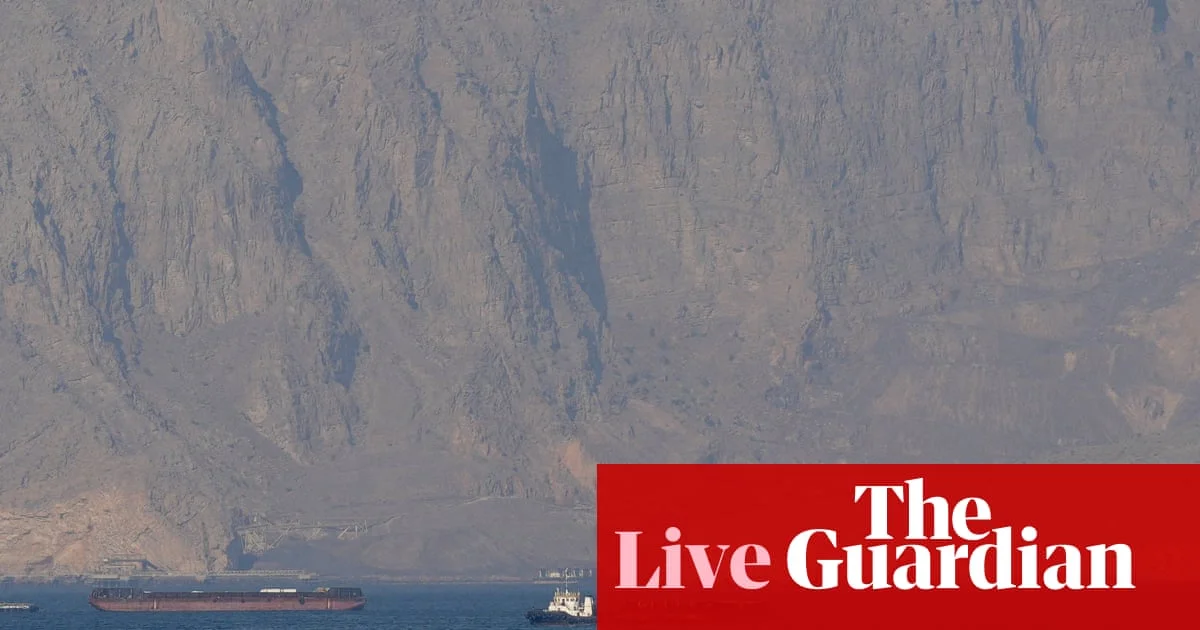
The geopolitical temperature in the Persian Gulf has reached a boiling point this Monday morning. Following President Donald Trump’s announcement that the U.S. Navy would begin to 'guide' stranded commercial vessels through the Strait of Hormuz, the Iranian military has issued an explicit counter-warning. Tehran stated that any attempt by foreign armed forces, specifically the 'aggressive US army,' to enter or approach the strait will be met with a forceful response. This escalation comes despite a minor 'confidence-building' gesture involving the evacuation of 22 crew members from an Iranian container vessel to Pakistan, highlighting the volatile mix of tactical diplomacy and brinkmanship currently defining the region.
For the Iranian markets, this tension remains the primary driver of volatility. While the USD/IRR rate saw a marginal decline from 189,100 to 188,900 (-0.1%) in the last 24 hours, the price of the Emami gold coin rose from 206,000,000 to 207,000,000 Toman (+0.5%). This divergence suggests that while the currency has stabilized momentarily, local investors are still flocking to gold as a hedge against a potential military miscalculation in the Strait. The Iranian military's insistence that the security of the waterway remains solely in their hands sets the stage for a high-stakes maritime standoff as Trump’s 'Project Freedom' naval escorts move into position.
Global Energy Realignment: Japan and Australia React
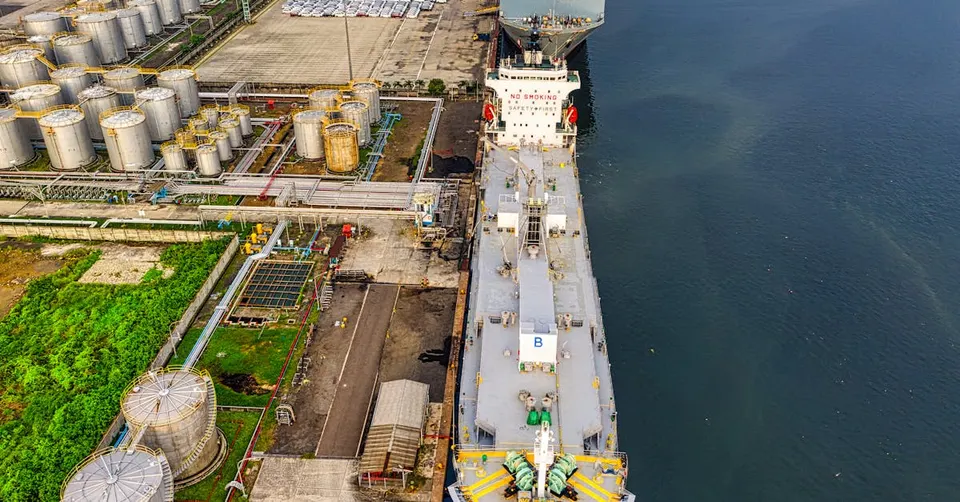
The ripple effects of the Middle East crisis are being felt most acutely in the Asia-Pacific region. Japanese Prime Minister Sanae Takaichi, during a high-profile visit to Australia, described the 'Iran war oil crisis' as having an 'enormous impact' on regional stability. In response, Japan and Australia have inked a significant energy cooperation agreement aimed at securing critical mineral supply chains and ensuring the flow of liquefied natural gas (LNG). This pact is a clear signal that major energy importers are moving to diversify away from Middle Eastern reliance, fearing that a prolonged closure or disruption of the Hormuz transit route could cripple their domestic economies.
Interestingly, the desperation for energy security is forcing some nations to overlook traditional sanction barriers. A Russian oil cargo from Sakhalin Island is scheduled to arrive in Japan today, a move permitted under specific exemptions due to Japan’s equity stakes in the Sakhalin-2 project. This highlights the complex 'energy pragmatism' emerging in 2026: even as Japan aligns with Western security interests, the immediate need to keep lights on and factories running necessitates maintaining ties with any available supplier, including Russia. For the global economy, this means a bifurcated market where geopolitical alliances and energy needs are increasingly at odds.
Crypto Markets and the $80,000 Psychological Barrier
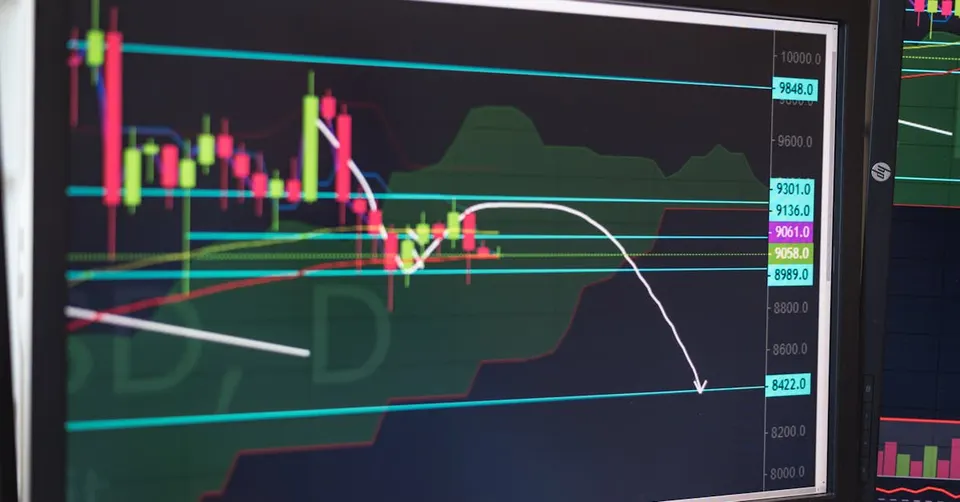
In the digital asset space, Bitcoin (BTC) continues to trade with remarkable strength, currently priced at $79,834. The market is currently digesting a massive recovery in ETF inflows, though analysts note that the volume has yet to eclipse the record peaks seen last autumn. Adding to the bullish sentiment, veteran trader Peter Brandt has released a new forecast suggesting that Bitcoin could hit $250,000 by 2029. However, Brandt cautioned that this rally might only materialize after a final, 'drawn-out' bottoming process that could extend through the third quarter of 2026, urging traders to remain patient despite the current proximity to the $80,000 milestone.
In the local Iranian context, Tether (USDT) is trading at 18,889 Toman, closely mirroring the official free-market dollar rate. The relative stability of the crypto-to-Toman bridge is providing a vital exit ramp and liquidity tool for Iranian businesses struggling with traditional banking sanctions. As global markets watch the $80,000 BTC level, the focus remains on whether institutional demand can overcome the 'sell-the-news' pressure often associated with major psychological round numbers. For now, the crypto market remains the only major asset class showing consistent upward momentum amidst the darkening clouds of global conflict.
Domestic Market Summary
As of 11:00 Tehran time, the domestic gold market shows a slight cooling in 18k gold prices, which moved from 20,992,428 to 20,954,337 Toman per gram (-0.2%). This minor correction follows a period of intense speculative buying. Meanwhile, the global gold price stands at a staggering $4,586.30 per ounce, reflecting the worldwide rush toward safe-haven assets. With the US dollar sell rate at 188,900 Toman, the market appears to be in a 'wait-and-see' mode, awaiting the next move from either the White House or the Iranian Revolutionary Guard in the waters of the Persian Gulf.
Frequently Asked Questions
Why is the Strait of Hormuz tension escalating now?
How is the Iran crisis affecting energy prices in Asia?
What is the long-term outlook for Bitcoin according to analysts?
Why did the price of Emami coin rise while the USD fell in Iran?
Geopolitical Chokepoints and Global Energy Security: The Strait of Hormuz
Geopolitical chokepoints are narrow maritime passages crucial for international trade, particularly for energy supplies. Their strategic importance means that any disruption can have far-reaching global economic and political consequences. The Strait of Hormuz, connecting the Persian Gulf to the open ocean, is arguably the most critical of these, serving as a vital artery for a significant portion of the world's oil and liquefied natural gas (LNG) shipments.
Annually, vast quantities of crude oil, petroleum products, and LNG transit through the Strait of Hormuz. Its narrowest point is only about 21 nautical miles wide, making it highly susceptible to disruption. Bordered by Iran and Oman, its strategic location means that regional tensions, such as those alluded to in the headline, immediately raise concerns about global energy supply stability and international shipping freedom.
A standoff in the Strait of Hormuz doesn't just impact oil prices; it sends ripples across global economies. Importing nations, like Japan and Australia mentioned in the keywords, are constantly seeking to enhance their energy security through diversification pacts and exploring alternative supply routes or sources. Such geopolitical vulnerabilities also influence currency stability, especially for oil-exporting nations facing sanctions, often driving interest in alternative financial mechanisms or impacting exchange rates like the USD/IRR. Understanding these chokepoints is key to grasping the intricate link between geography, politics, and global economic stability.
Topics
Related Articles