Iran’s Economic Crisis Tests Negotiation Resolve as Trump Launches Hormuz Naval Escorts
بحران اقتصادی ایران و چالش مذاکره؛ آغاز عملیات اسکورت دریایی ترامپ در تنگه هرمز
Tehran faces a staggering war-damage bill estimated at nine times its national budget, complicating its stance against US pressure. Simultaneously, President Trump has initiated a naval mission to escort stranded ships in the Strait of Hormuz despite warnings from Iranian armed forces.
At time of publishing
USD
188,900
Toman
Gold 18K
20.99M
Toman / gram
Bitcoin
$79,575
US Dollar
Tether
18,968.6
Toman
The Crushing Weight of Economic Attrition
As of 10:00 Tehran time, the Iranian economy finds itself at a critical juncture where geopolitical posturing meets the harsh reality of fiscal depletion. Reports from The Guardian indicate that the cumulative damage from recent regional conflicts and targeted strikes has reached a staggering valuation—nearly nine times the total of Iran's national budget for the previous year. This economic hemorrhaging is not merely a number on a balance sheet; the United Nations Development Programme warns that an additional 4.1 million Iranians are on the verge of falling below the poverty line. This domestic pressure is fundamentally altering the calculus in Tehran, as the political elite weigh the cost of maintaining a hardline stance against the urgent need for sanctions relief.
In the local markets, the response to this pressure is palpable but complex. The US Dollar (USD/IRR) saw a marginal decline of 0.1%, moving from 189,100 to 188,900 Toman, suggesting a brief moment of consolidation or central bank intervention. However, the gold market tells a more anxious story. The Emami gold coin jumped 1.5%, rising from 206,000,000 to 209,000,000 Toman. This divergence suggests that while the currency is being tightly managed, domestic investors are fleeing into hard assets like gold to hedge against the looming threat of further inflation and the possibility of a weakened negotiating hand in upcoming talks with the Trump administration.
Naval Brinkmanship in the Strait of Hormuz
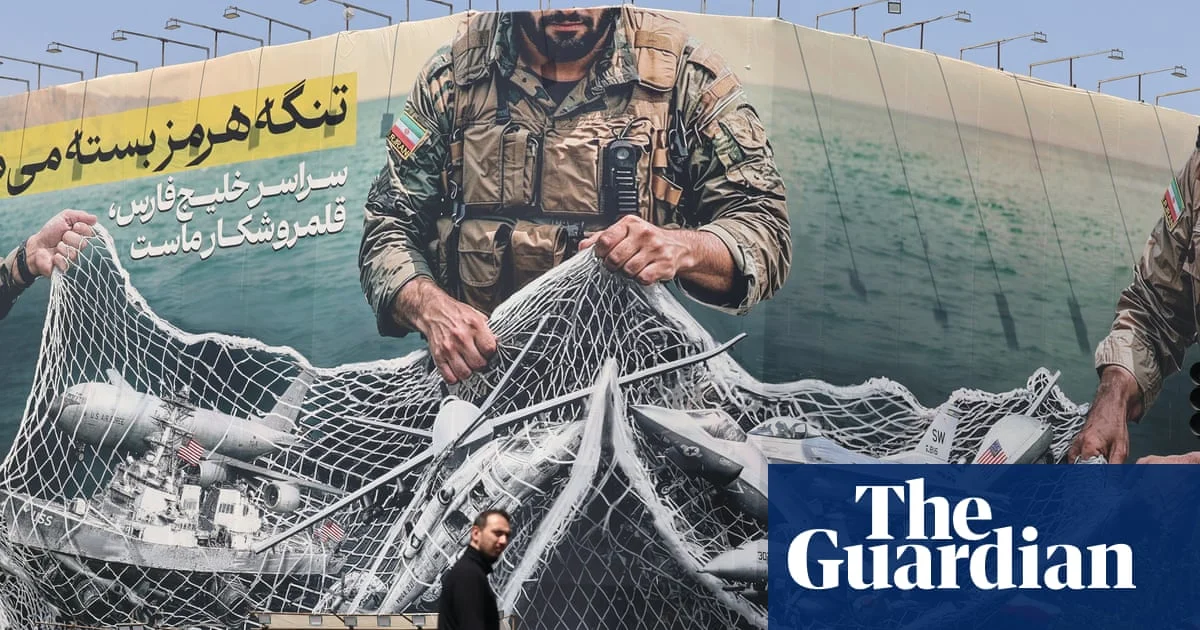
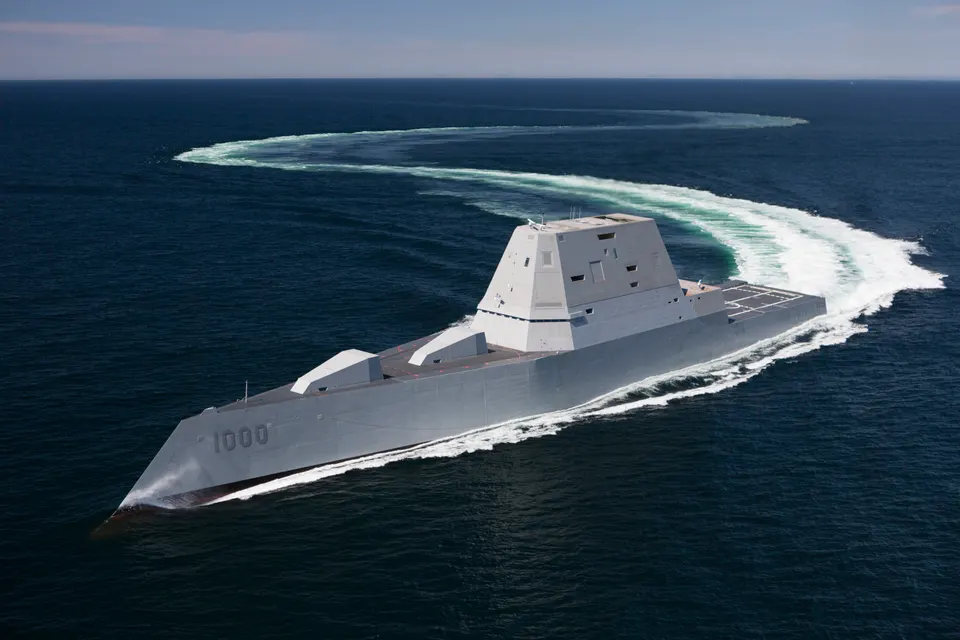
The maritime security situation has entered a volatile new phase following Donald Trump’s announcement that the U.S. Navy will begin "guiding" stranded vessels through the Strait of Hormuz. This move, which Trump claims is a response to help ships trapped by recent tensions, has been met with immediate resistance. Iran’s unified armed forces command issued a formal warning via state media, asserting that the security of the waterway remains strictly under Iranian jurisdiction and that any uncoordinated foreign military presence would be treated as a direct provocation. The situation was further exacerbated this morning by reports of a tanker being struck by unidentified "projectiles" near the Traffic Separation Scheme, a zone now deemed extremely hazardous due to unmapped mines.
This escalation serves a dual purpose for the U.S. administration. By taking an active role in "guiding" transit, Washington is attempting to bypass the traditional Iranian control over the world’s most vital oil chokepoint. For Iran, the dilemma is acute: allowing the U.S. to escort ships undermines their sovereign claims over the Strait, but a direct military confrontation could trigger the very "forceful" response Trump has threatened. As the U.S. President claims talks with Iran are "very positive" while simultaneously deploying the Navy, the mixed signals are keeping global energy markets on high alert, with the gold ounce currently trading at a elevated $4,595.10.
Global Geopolitics: China’s Double Game and the African Front
While the eyes of the world are fixed on the Persian Gulf, a more subtle shift is occurring in Beijing. China is currently positioning itself as the ultimate opportunist, pushing Iran toward negotiations with the U.S. while its companies continue to export dual-use materials to Tehran’s military complex. As President Trump prepares for a high-stakes visit to Beijing, China is leveraging its influence over Iran to secure better trade terms for itself, effectively using the Middle East crisis as a bargaining chip. This "double game" ensures that regardless of whether the U.S. and Iran reach a deal, China remains the primary economic benefactor in the region.
Meanwhile, the shadow of global conflict extends to the African continent, where the Kremlin is reportedly luring young men into the war in Ukraine under the guise of high-paying jobs. New investigations reveal that many of these recruits are being forced into mercenary roles to replenish Russia’s depleted ranks. This highlights a growing trend where economic desperation in the Global South is being weaponized by major powers. For Iranian observers, this serves as a cautionary tale of how prolonged economic isolation and war can force a nation's youth into becoming peripheral players in larger geopolitical struggles, further emphasizing the need for a strategic resolution to the current deadlock.
Frequently Asked Questions
Why is the Emami coin rising while the USD is slightly down?
What is the significance of the 9x budget damage report?
How does Trump's naval escort plan affect global oil prices?
The Strategic Importance of the Strait of Hormuz
The Strait of Hormuz is one of the world’s most critical maritime chokepoints, a narrow 21‑mile passage that links the Persian Gulf with the Gulf of Oman and the open ocean. Roughly 20% of global petroleum consumption transits this waterway each day, making it a linchpin for energy‑dependent economies. Because the strait is flanked by Iran to the north and the United Arab Emirates and Oman to the south, any disruption—whether from geopolitical tension, naval incidents, or mining—can instantly reverberate through oil markets, causing price spikes and supply uncertainties.
During periods of heightened diplomatic friction, such as the 2026 negotiations between the United States and Iran, the strait becomes a focal point for military posturing. The deployment of U.S. naval escorts, as announced by former President Trump under “Project Freedom,” is intended to assure commercial shipping and deter potential Iranian interference. However, such moves also risk escalation, as Iran has historically threatened to close the strait in retaliation for sanctions or perceived aggression, a threat that can amplify market volatility.
The economic fallout from a threatened or actual closure extends beyond oil. Nations that import oil—especially in Asia—must seek alternative routes, often at higher cost and longer transit times, which can strain trade balances and increase consumer prices worldwide. Moreover, countries heavily reliant on oil export revenues, like Iran, face amplified fiscal pressure when shipping disruptions reduce export volumes, deepening domestic crises such as currency devaluation and inflation.
Understanding the geopolitics of the Strait of Hormuz helps explain why even seemingly localized disputes can have global economic repercussions. It also underscores why major powers invest heavily in naval presence and diplomatic efforts to keep this passage open, balancing the twin goals of energy security and regional stability.
Topics
Related Articles