Baghdad’s New Lead and Tehran’s Hormuz Gambit: A High-Stakes Power Struggle Unfolds
نخستوزیر جدید عراق و شطرنج هرمز: تقابل قدرت در اوج تنشهای منطقهای
Iraq's new PM-designate Ali al-Zaidi is caught in a fierce US-Iran influence battle, while Tehran signals 'new legal frameworks' for the Strait of Hormuz. Meanwhile, Washington eyes a massive oil output surge to counter the war-driven supply squeeze.
At time of publishing
USD
177,750
Toman
Gold 18K
19.94M
Toman / gram
Bitcoin
$76,372
US Dollar
Tether
17,688.7
Toman
The Iraqi Tug-of-War: Ali al-Zaidi’s Impossible Mission
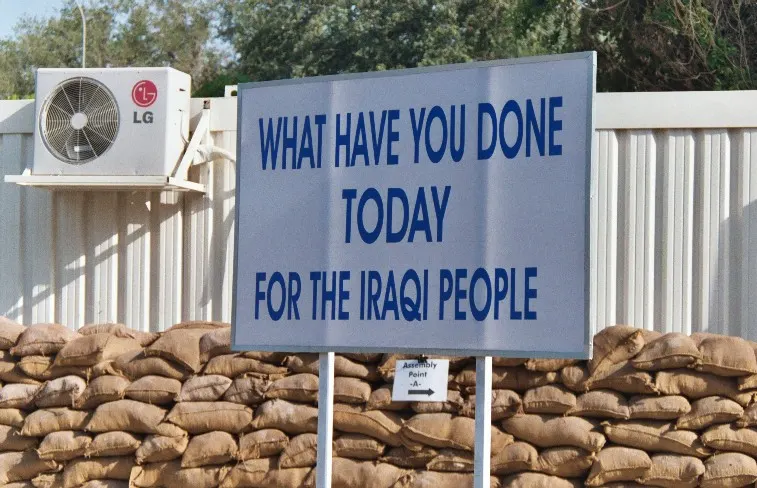
Iraq’s Prime Minister-designate, Ali al-Zaidi, a relatively unknown figure in the regional political landscape, has been thrust into the epicenter of a brutal power struggle between Washington and Tehran. Tasked with forming a new coalition government, al-Zaidi faces immediate and intense pressure from the United States to curb Iranian influence within Iraqi state institutions and security forces. For Tehran, Iraq remains a vital economic and strategic lung, especially as sanctions and regional blockades tighten. The success or failure of al-Zaidi’s cabinet formation will dictate whether Baghdad remains a bridge for Iranian trade or becomes a frontline in the Western effort to isolate the Islamic Republic.
For the Iranian reader, this development is critical. Iraq has long served as a key destination for non-oil exports and a conduit for hard currency. If the new government in Baghdad pivots toward the U.S. demand for stricter financial oversight, the flow of dollars into the Iranian market could face unprecedented hurdles. This geopolitical uncertainty is already being priced into the local markets, where the USD sell rate settled at 177,750 Toman, marking a slight -0.6% decrease from 178,850, as traders wait to see if the regional 'safety valve' of Iraq will hold.
---
Tehran’s New Terms for the Strait of Hormuz
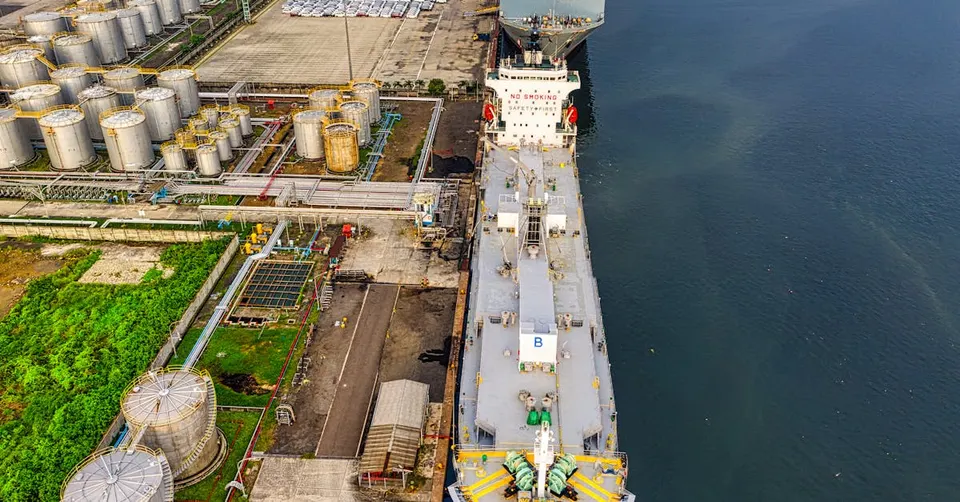
In a significant escalation of rhetoric, Ayatollah Mojtaba Khamenei stated today that Iran is planning for "ongoing control" of the Strait of Hormuz through the establishment of new legal frameworks. This move signals a transition from temporary military posturing to a permanent, codified dominance over the world's most sensitive maritime chokepoint. By asserting that Iran will also retain its full nuclear capabilities, the leadership is effectively raising the stakes for any Western intervention. This "legalization" of control suggests that Tehran intends to impose its own rules on international shipping, potentially including tolls or inspections that could redefine global energy logistics.
This announcement has had an immediate impact on the domestic gold market. Gold 18k/gram rose from 19,797,543 to 19,942,518 Toman (+0.7%), reflecting a flight to safety as the risk of a long-term maritime blockade becomes more tangible. Emami coins also followed suit, moving from 202,000,000 to 203,000,000 Toman (+0.5%). When the leadership speaks of "new legal frameworks" for Hormuz, the market interprets it as a permanent increase in the regional risk premium, making gold a more attractive hedge than the currency itself.
---
Trump’s Energy Response and the AI Market Boom
As the "Iran war squeeze" continues to choke global energy supplies, the White House is preparing a massive domestic response. Economic adviser Kevin Hassett confirmed that the Trump administration is looking to slash environmental and bureaucratic regulations to rapidly increase U.S. oil output. This policy shift is a direct attempt to break the leverage Iran holds over global crude prices. If the U.S. can successfully flood the market with domestic shale, the impact of a Hormuz blockade might be mitigated, though analysts warn that such an increase in production cannot happen overnight. This struggle for energy dominance is the primary driver behind the current volatility in Brent crude and global inflation expectations.
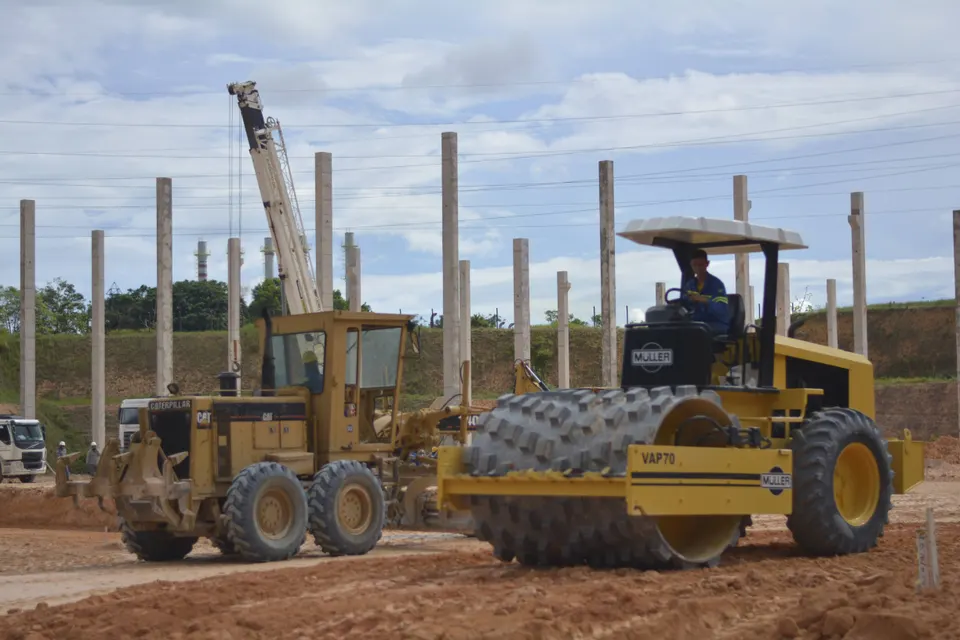
Meanwhile, in the corporate world, Caterpillar has delivered a massive earnings beat, largely driven by the insatiable demand for power generation equipment needed for AI data centers. This has boosted the Dow Jones by over 500 points, showcasing a strange divergence in the global economy: while physical supply chains are threatened by war, the digital and industrial sectors are booming on the back of the AI revolution. However, some analysts on Wall Street are warning of a "greatest capital misallocation in history," as Big Tech spends $700 billion on AI infrastructure while the underlying energy foundations of the world remain precarious.
---
Crypto Resistance and the US Political Climate
On the digital front, Bitcoin is currently trading at $76,372, facing a potential "bear flag" repeat as it struggles with a Coinbase premium breakdown. Despite the bullish sentiment often seen in April, the geopolitical tension is causing a split in the crypto market. In Washington, the Senate Armed Services Committee hearing for Pete Hegseth was briefly interrupted by protesters shouting "no war on Iran," highlighting the deep domestic divide in the U.S. regarding the current conflict. For Iranian crypto users, the stability of Tether (USDT) remains the primary concern, with the Toman-pegged rate sitting at 17,689, closely tracking the free market dollar.
The intersection of US politics and regional war is creating a high-volatility environment for all assets. As the U.S. Supreme Court and state governors clash over election maps and political procedures, the focus on the Middle East remains the only unifying—and terrifying—theme in Washington. For the Iranian investor, the message is clear: the combination of Iraqi political shifts, Hormuz legal threats, and U.S. energy counter-moves means that the era of "stable" prices is over, and agility in asset allocation between gold, crypto, and hard currency is now a necessity for survival.
Frequently Asked Questions
Why is the appointment of Ali al-Zaidi in Iraq significant for Iran's economy?
What does 'new legal frameworks' for the Strait of Hormuz imply?
How can US oil production offset the current supply squeeze?
Why is gold rising while the dollar saw a slight 24h dip?
The Geopolitics of Energy Chokepoints: Understanding the Strait of Hormuz
Energy geopolitics examines the interplay between energy resources, political power, and international relations. At its heart lies the strategic importance of controlling or influencing the flow of vital energy supplies. A critical component of this field is the concept of "chokepoints"—narrow maritime passages that are essential for global trade, particularly for oil and natural gas shipments. These chokepoints, while facilitating efficient transport, also represent points of vulnerability where disruptions can have far-reaching economic and political consequences.
The Strait of Hormuz stands as the world's most critical oil chokepoint. This narrow waterway connects the oil-rich Persian Gulf to the Arabian Sea and beyond, through which a significant portion of the world's seaborne oil and liquefied natural gas (LNG) transits daily. Countries like Saudi Arabia, Iran, Iraq, Kuwait, Qatar, and the UAE rely on this strait for their energy exports. Its strategic location makes it indispensable for global energy markets, as any sustained disruption could send crude oil prices soaring and severely impact the economies of both producing and consuming nations worldwide.
Given its immense strategic value, the Strait of Hormuz is frequently at the center of geopolitical tensions, particularly in the ongoing power struggle between the United States and Iran. Iran, bordering the Strait, has historically leveraged its geographical position, threatening to impede shipping in response to international pressures, such as economic sanctions or military actions. Such threats, whether real or perceived, serve as a powerful bargaining chip, influencing regional diplomacy and global energy security discussions. The potential for a future "oil blockade" or legal disputes over the strait's framework highlights its role as a flashpoint.
The economic ramifications of any instability in the Strait are immediate and profound. Global oil prices react sharply to even the hint of disruption, impacting everything from transportation costs to manufacturing expenses. For countries like Iran, facing international sanctions, the ability to export oil through this strait is crucial for its economy, directly influencing its currency exchange rates (like the USD/IRR) and domestic commodity prices (such as gold). Thus, the Strait of Hormuz is not merely a shipping lane; it is a vital artery whose stability is central to global economic health and a key battleground in regional power dynamics.