AI’s Power Hunger Fuels Market Surge as US Ends 76-Day Shutdown; Toman Retreats to 177k
تشنه انرژی؛ جهش غولهای زیرساختی هوش مصنوعی همزمان با پایان تعطیلی دولت آمریکا و عقبنشینی دلار
Infrastructure giants are reaping massive rewards as AI’s energy demands hit a breaking point, while the US House finally votes to end a historic 76-day government shutdown. In Tehran, the Toman saw a 1% cooling off, even as regional tensions over the Persian Gulf and oil blockades keep gold prices on an upward trajectory.
At time of publishing
USD
177,050
Toman
Gold 18K
19.87M
Toman / gram
Bitcoin
$76,224
US Dollar
Tether
17,652.7
Toman
The Industrial Backbone: AI’s Energy Hunger Becomes a Goldmine
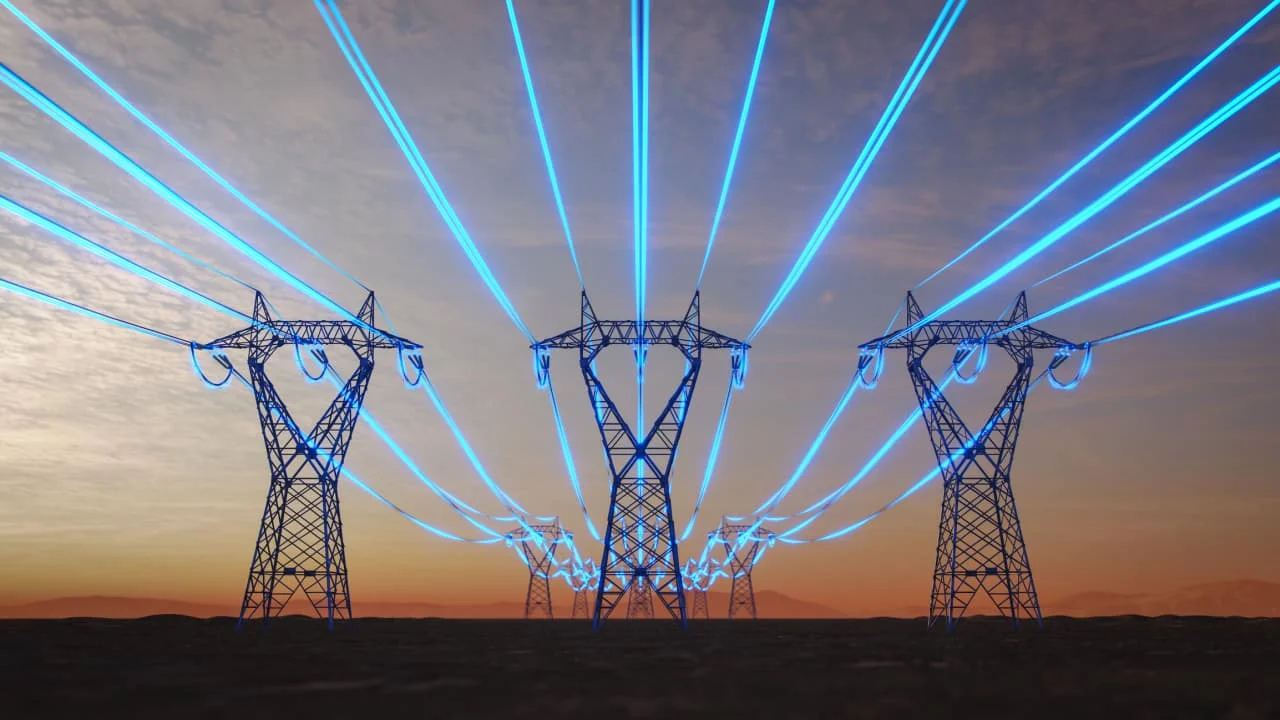
While the public eye remains fixed on generative AI apps and chatbots, the real financial windfall is shifting toward the 'boring' industrial companies that keep the lights on. As of late April 2026, the energy requirements for agentic AI and massive data center clusters have reached a critical threshold, creating a massive bull market for utility providers, grid modernization firms, and specialized cooling technology manufacturers. These companies are no longer just service providers; they have become the gatekeepers of the digital revolution. Investors are increasingly pivoting away from high-volatility software stocks toward these industrial giants, recognizing that without a stable and massive power supply, the AI dream remains grounded.
This shift comes at a time when global energy markets are already under extreme duress due to the ongoing Strait of Hormuz blockade. With Brent crude hovering near $126 and global jet fuel shipments at record lows, the cost of powering the AI revolution has skyrocketed. This has created a unique market dynamic where energy efficiency is the new currency of Silicon Valley. For the Iranian reader, this global trend underscores a shift in how wealth is being generated: it is no longer just about who has the best algorithm, but who controls the physical infrastructure and the energy required to run it.
US Ends 76-Day Shutdown: A Sigh of Relief for Global Markets
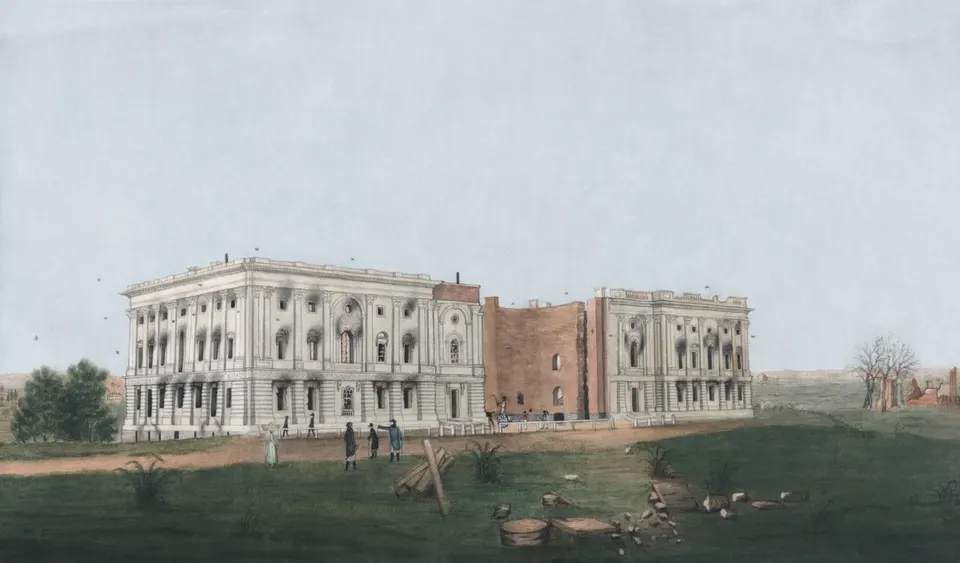
The US House of Representatives has finally voted to end the partial government shutdown that paralyzed federal operations for 76 days. The bill, which addresses contentious immigration and border security operations, has already cleared the Senate and is headed to President Donald Trump’s desk for a swift signature. This resolution removes a significant layer of domestic political risk that had been weighing on the US dollar and global sentiment. The shutdown, the longest in American history, had begun to impact everything from airport security to the processing of trade licenses, adding friction to an already stressed global economy.
For international markets, the end of the shutdown signals a return to some semblance of fiscal predictability in Washington. However, the cost of the resolution—tied heavily to hardline immigration policies—suggests that the political landscape remains deeply polarized. While the immediate threat of a federal default or prolonged service disruption is gone, the underlying tensions within the Trump administration’s trade and foreign policy agendas continue to keep investors on edge. The market's reaction has been one of cautious optimism, providing a brief window of stability as the world watches the escalating tensions in the Middle East.
AI Outperforms Doctors in Emergency Triage: The Harvard Breakthrough
A groundbreaking trial at Harvard has sent shockwaves through the medical community, revealing that AI systems can now outperform human doctors in high-pressure emergency triage. The study, which focused on the critical moments when patients are first rushed to the hospital, showed that AI could diagnose life-threatening conditions with higher accuracy and speed than veteran ER staff. Researchers are calling this a 'profound change' that will fundamentally reshape the future of medicine. This isn't just about administrative efficiency; it’s about the literal difference between life and death in the most chaotic environments.
This development raises significant ethical and economic questions. While the potential to save lives is immense, the displacement of highly skilled medical professionals and the reliance on black-box algorithms in emergency settings remains a point of intense debate. For countries like Iran, where medical infrastructure is often under strain, the adoption of such technologies could be a double-edged sword—offering a path to better care while simultaneously increasing dependence on foreign-developed AI platforms and the massive energy grids required to sustain them.
Tehran Market Update: Toman Gains Ground Amid Persian Gulf Rhetoric
In the local markets, the Iranian Toman saw a slight recovery today, with the USD sell rate moving from 178,850 to 177,050, a decrease of 1.0%. This cooling off comes after a week of intense volatility driven by military threats in the region. However, the relief appears localized to the currency market, as gold and coins continue to climb. Gold 18k rose by 0.4% to reach 19,870,492 Toman per gram, while the Emami coin edged up by 0.5% to 203,000,000 Toman. This divergence suggests that while the immediate panic over a currency collapse has subsided, Iranians are still hedging heavily against long-term inflation and regional instability by moving into hard assets.
Politically, the Foreign Ministry has used National Persian Gulf Day to reinforce its stance on regional sovereignty. Spokesperson Esmail Baqaei emphasized that the identity of the Persian Gulf 'cannot be confiscated' or altered through political maneuvering. This rhetoric serves as a backdrop to the ongoing naval tensions and the blockade of the Strait of Hormuz, which has removed nearly 9 million barrels of oil per day from the global market. As long as the 'Hormuz Premium' remains baked into global prices, the pressure on the Iranian economy will remain a complex mix of high export-value potential and crippling logistical barriers.