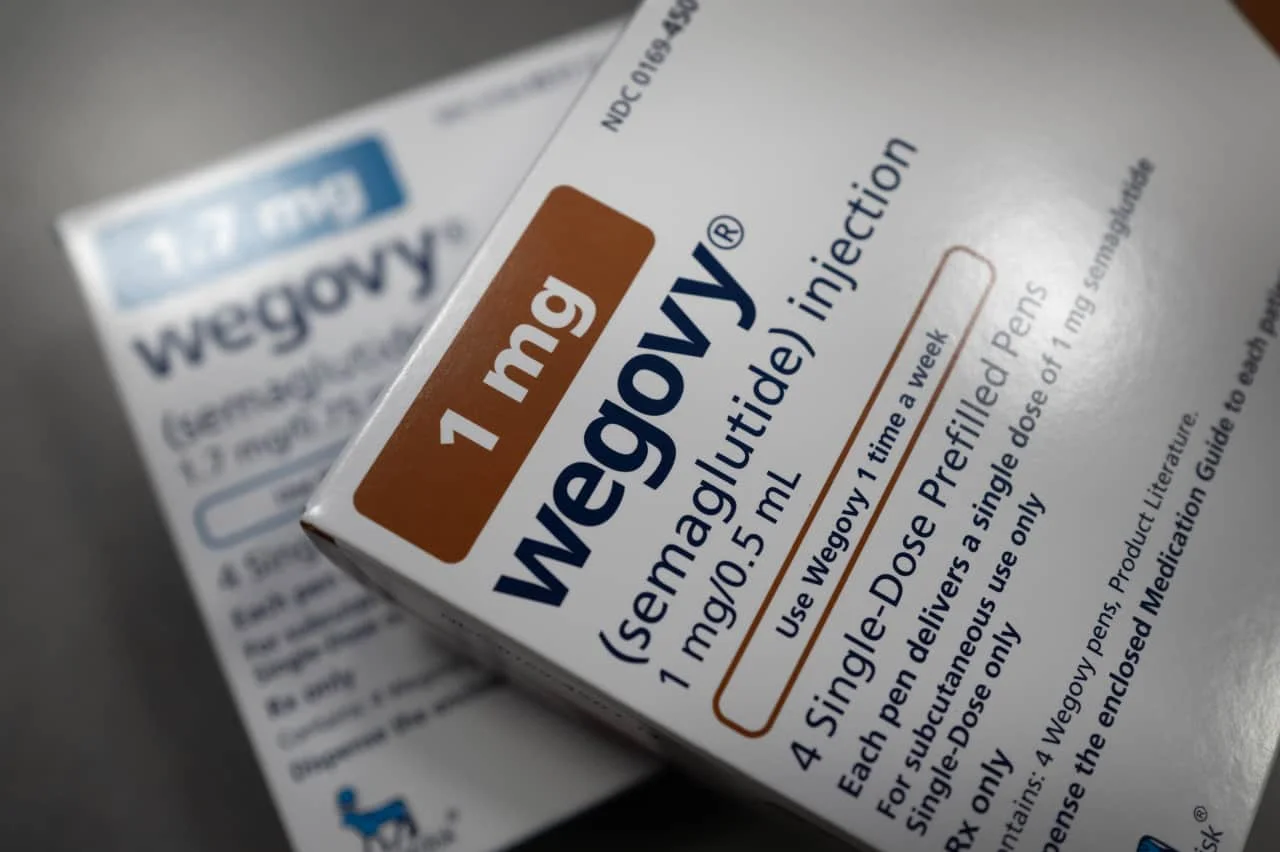
Ozempic’s New Frontier: Alcohol Suppression and the $78K Bitcoin Resilience
مرزهای جدید اوزمپیک در درمان اعتیاد و مقاومت بیتکوین در کانال ۷۸ هزار دلار
A breakthrough study reveals GLP-1 drugs could revolutionize alcohol addiction treatment, while Bitcoin reclaims $78,000 despite persistent geopolitical risks. Meanwhile, US manufacturing shows surprising resilience in a high-inflation environment.
At time of publishing
USD
177,200
Toman
Gold 18K
20.03M
Toman / gram
Bitcoin
$78,257
US Dollar
Tether
17,553.6
Toman
The Weight-Loss Miracle Finds a New Target: Alcohol Addiction
The pharmaceutical landscape is shifting once again as a "gold standard" clinical trial reveals that semaglutide—the active ingredient in blockbuster GLP-1 drugs like Ozempic—can significantly reduce heavy drinking. The study focused on individuals with obesity who also suffered from alcohol-use disorder, finding that those treated with the drug showed a marked decrease in alcohol consumption compared to a placebo group. This discovery moves the needle for GLP-1s from mere metabolic regulators to potential neurological game-changers, targeting the brain's reward centers that drive both hunger and addiction.
For investors and the global healthcare sector, this represents a massive expansion of the addressable market for companies like Novo Nordisk and Eli Lilly. However, the implications for the beverage industry are sobering. If a significant portion of the population begins using these medications to curb cravings, the long-term demand for alcohol could see a structural decline. This pharmaceutical evolution comes at a time when consumer behavior is already being squeezed by inflation, and the ability of a single class of drugs to alter consumption habits across multiple industries is unprecedented in modern market history.
US Manufacturing Defies the Odds Amid Regional Tensions
Despite the ongoing shadow of conflict and the disruption of energy corridors, the U.S. manufacturing sector has demonstrated remarkable mettle. The latest ISM report indicates that manufacturing expanded for the fourth consecutive month, marking its strongest growth streak since 2022. This resilience is particularly notable given the "energy crunch" triggered by disruptions in the Strait of Hormuz since late February. While factory floors are humming, the underlying data reveals a persistent thorn: inflation. Input costs are rising sharply, driven by higher gasoline and diesel prices that are now rippling through the entire supply chain.
In the local Iranian market, these global inflationary pressures are reflected in a steady, albeit cautious, currency environment. The USD/IRR rate remained nearly flat over the last 24 hours, moving from 177,150 to 177,200 (a negligible +0.0% change). However, the gold market felt the heat of global uncertainty more acutely. Gold 18k per gram rose from 19,870,492 to 20,027,702 Toman (+0.8%), as investors seek refuge from the dual threats of regional instability and the stubborn inflation plaguing the Western industrial engine.
Bitcoin’s Institutional Pivot Toward a $16 Trillion Future
Bitcoin has successfully climbed back above the $78,000 threshold, currently trading at $78,257 as stock markets rally. This recovery is underpinned by a massive shift in institutional sentiment. Ark Invest recently projected that institutional demand could drive Bitcoin’s market capitalization to a staggering $16 trillion by 2030. This optimistic outlook is supported by the entry of major players; for instance, Tether just reported a $1 billion quarterly profit, with a record $8.2 billion reserve buffer, much of which is held in U.S. Treasurys, effectively bridging the gap between traditional finance and the digital asset ecosystem.
However, the path upward is not without its obstacles. Analysts warn that "Iran risks" continue to cap the upside for crypto assets. As long as the threat of escalation in the Middle East looms, Bitcoin remains sensitive to sudden "risk-off" sentiment where traders liquidate volatile assets in favor of cash or gold. The current price action suggests a tug-of-war between long-term institutional accumulation and short-term geopolitical hedging. For the Iranian trader, the USDT price of 17,554 Toman remains a critical benchmark for liquidity in an increasingly complex global financial web.
Tech Titans and the Pentagon’s Classified AI Arms Race
In the world of high-stakes technology, the Pentagon has just solidified its future by striking classified AI deals with industry giants including OpenAI, Google, Microsoft, and Nvidia. Notably, Elon Musk’s xAI was included in this elite group, while the prominent startup Anthropic was left out of this latest round of classified contracts. This move signals the U.S. government's commitment to integrating advanced generative models into national defense, even as the leaders of these companies face significant personal and legal hurdles.

Elon Musk, in particular, is navigating a difficult period, having faced several setbacks in court regarding his ongoing legal battle with OpenAI. Musk’s claim that the company he helped found has strayed from its non-profit roots is meeting stiff resistance, yet his inclusion in the Pentagon’s AI plans shows that his technical influence remains indispensable. For the broader market, these deals reinforce the "AI moat" surrounding a few trillion-dollar companies, making it increasingly difficult for smaller players to compete for the most lucrative and strategically sensitive government contracts.
Strategic Alignments: Iran and Russia Deepen Nuclear Ties
On the geopolitical front, Tehran and Moscow are continuing to tighten their strategic embrace. Recent meetings between Russia’s Rosatom officials and Iranian diplomats in Moscow have focused on expanding bilateral nuclear cooperation. This comes at a time when Iran is also vigorously denying any involvement in recent violent incidents in the UK, attempting to manage its international image while simultaneously building deep technical and military alliances with the East.
These high-level discussions are more than just diplomatic formalities; they represent a long-term hedge against Western sanctions. By securing cooperation in nuclear technology and energy, Iran aims to stabilize its domestic infrastructure and maintain leverage in future negotiations. For the regional economy, this deepening Russo-Iranian axis suggests that the current trade patterns—and the associated pressures on the Toman—are likely to persist as the two nations find new ways to bypass the dollar-dominated global financial system.
Frequently Asked Questions
How do GLP-1 drugs like Ozempic affect alcohol consumption?
Why is Bitcoin rising despite the geopolitical tensions with Iran?
What is driving the 0.8% increase in Iranian gold prices today?
Why was Anthropic excluded from the Pentagon's recent AI deals?
GLP‑1 Agonists: How Diabetes Drugs Are Changing the Landscape of Addiction Treatment
Glucagon‑like peptide‑1 (GLP‑1) agonists, originally developed to improve blood‑sugar control in type‑2 diabetes, have emerged as a surprising tool in the fight against substance use disorders. These drugs, such as semaglutide (marketed as Ozempic and Wegovy), mimic a gut hormone that slows gastric emptying, reduces appetite, and triggers reward‑system pathways in the brain. Recent clinical trials have shown that weekly injections of semaglutide can markedly decrease alcohol consumption in people with alcohol‑use disorder, likely by dampening the dopamine surge that normally reinforces drinking behavior. The mechanism involves GLP‑1 receptors in the nucleus accumbens—a key hub for reward processing—where activation reduces the reinforcing effects of both alcohol and other addictive substances.
The implications are profound: a medication already approved and widely prescribed for metabolic disease could be repurposed to address a global public‑health crisis. If larger Phase‑III studies confirm early results, clinicians may soon have an inexpensive, once‑weekly option that sidesteps the stigma and limited access associated with traditional addiction therapies. Moreover, the dual benefit of weight loss and reduced alcohol intake could improve overall cardiovascular risk profiles, a major concern for patients with co‑morbid obesity and heavy drinking habits.
However, several challenges remain. Long‑term safety data for non‑diabetic populations are still limited, and there are concerns about side‑effects such as nausea, pancreatitis, and potential impacts on mental health. Additionally, the high cost of brand‑name GLP‑1 drugs—often exceeding $1,000 per month in the United States—raises questions about affordability and insurance coverage, especially in low‑ and middle‑income countries. Ongoing research is also exploring whether GLP‑1 agonists could help curb other addictions, including nicotine and opioids, hinting at a broader class effect.
For policymakers and investors, the rise of GLP‑1‑based addiction treatments intersects with broader economic trends: pharmaceutical innovation, healthcare spending, and even the valuation of companies like Novo Nordisk, whose stock has surged alongside the popularity of its weight‑loss drugs. Understanding the science behind GLP‑1 agonists therefore offers a window into future market dynamics and public‑health strategies.
Key Takeaway: GLP‑1 agonists are poised to become a game‑changer in addiction medicine, leveraging a hormone pathway that links metabolism and reward. Their success could reshape treatment protocols, influence drug pricing debates, and open new avenues for research into the neurobiology of addiction.