The 60-Day War Powers Clock: Congress Deadlock and Tehran’s New Peace Gambit
ضربالاجل ۶۰ روزه کنگره برای جنگ ایران؛ پیشنهاد صلح جدید تهران در میان تهدیدهای ترامپ
As the U.S. Congress faces a critical 60-day deadline to approve military action against Iran, Tehran has reportedly floated a new peace proposal. Meanwhile, the Toman remains steady despite Trump's threats to withdraw troops from Europe.
At time of publishing
USD
177,000
Toman
Gold 18K
19.96M
Toman / gram
Bitcoin
$78,514
US Dollar
Tether
17,528.3
Toman
The 60-Day Deadline: A Constitutional Crisis Looms in Washington
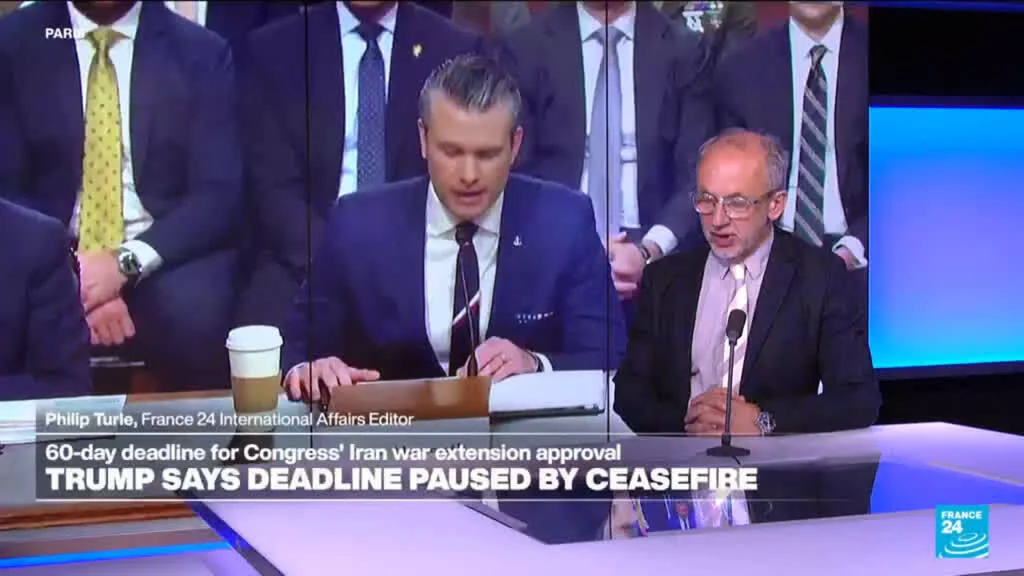
As of May 1, 2026, the United States finds itself at a legal and military crossroads. Under the War Powers Resolution, the executive branch must obtain Congressional approval for continued military action once hostilities reach the 60-day mark. With the deadline rapidly approaching, lawmakers in Washington remain deeply polarized, creating a sense of uncertainty that is reverberating through global markets. France 24’s international affairs commentators have noted that without a formal extension, the legal basis for ongoing operations against Iran could dissolve, potentially forcing a tactical pause or a constitutional showdown between President Trump and the Capitol.
For the Iranian reader, this legislative gridlock is more than just American domestic politics; it is a primary driver of the current exchange rate stability. The USD/IRR rate has seen a marginal decline from 177,150 to 177,000 (-0.1%) as traders wait to see if the U.S. will be legally forced to scale back its posture. This 'wait-and-see' approach has prevented the Toman from spiraling further, though the underlying tension remains high. If Congress fails to act, the resulting vacuum could either lead to a de-escalation or an unpredictable unilateral move by the White House, both of which carry massive implications for the Toman's value in the coming week.
Tehran’s New Peace Proposal Amid Trump’s European Pivot
In a surprising turn of events, Iranian state media has reported that Tehran has submitted a new proposal for peace talks with the U.S. government. While the specific details of the plan remain shrouded in mystery, the timing is impeccable. This move comes just as President Trump has escalated his rhetoric against European allies, threatening to withdraw U.S. troops from Italy and Spain. Trump’s frustration stems from what he perceives as a lack of support for his regional strategy, and his pivot toward a more isolationist stance in Europe is creating a diplomatic opening that Tehran seems eager to exploit.
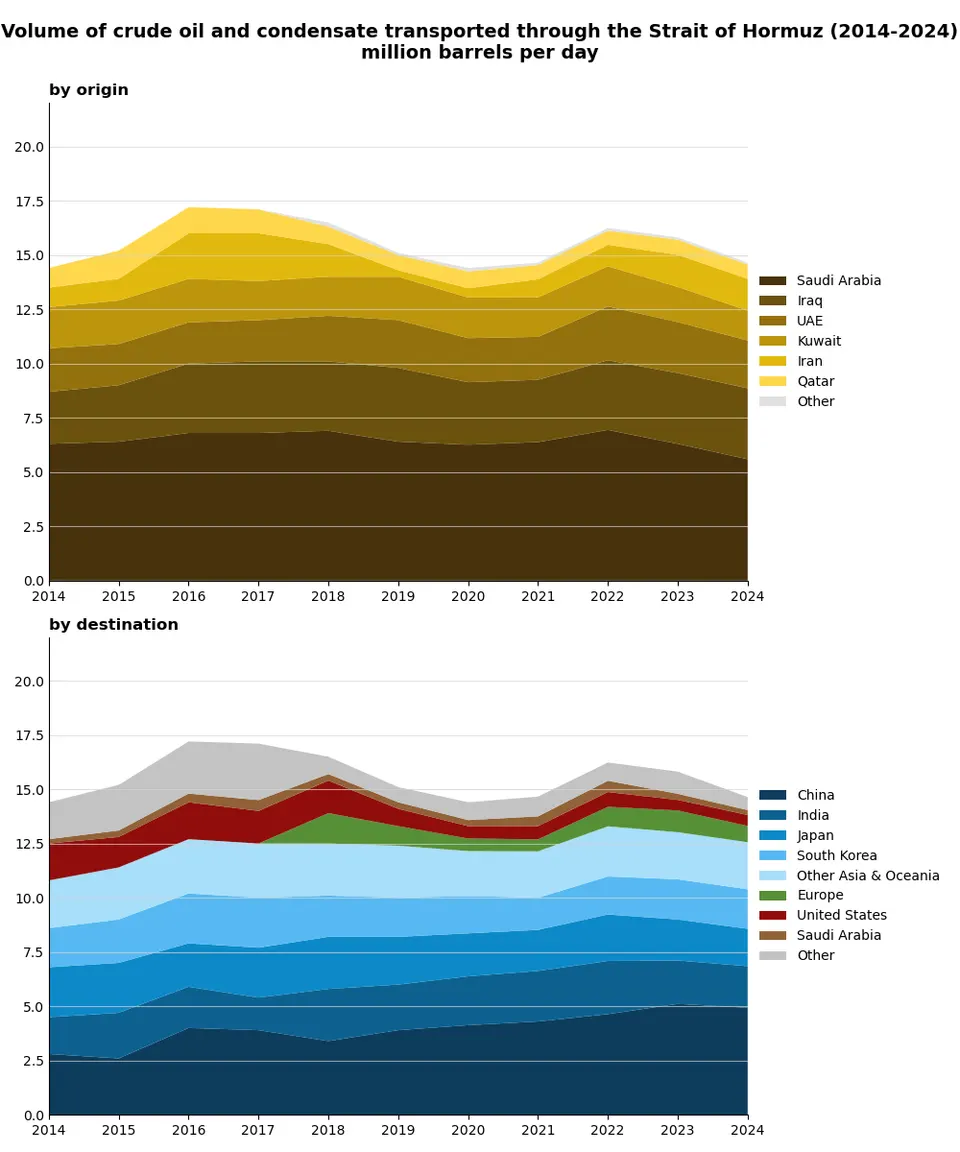
This diplomatic friction in the West has had a direct impact on haven assets. Gold 18k in the local market rose from 19,870,492 to 19,963,525 Toman per gram (+0.5%), reflecting a global shift toward safety as the NATO alliance faces its most significant internal strain in decades. The possibility of a 'Grand Bargain' or at least a temporary truce to reopen the Strait of Hormuz is the only thing keeping oil prices from a catastrophic breakout. Investors are currently weighing the sincerity of Tehran’s proposal against the volatility of Trump’s foreign policy, leading to a complex trading environment where traditional geopolitical alignments are being rewritten in real-time.
U.S. Manufacturing Defies War Headwinds as AI Integration Deepens
Despite the ongoing conflict and the resulting inflationary pressures, the American manufacturing sector has shown remarkable resilience. Data from April indicates that U.S. factories grew for the fourth consecutive month, marking the longest growth streak in four years. This industrial mettle is being tested by rising energy costs and supply chain disruptions tied to the Middle East, yet the transition toward high-tech production appears to be shielding the broader economy from a recession. This economic strength in the U.S. provides a fundamental floor for the Dollar, explaining why the USD/IRR hasn't seen a more significant correction despite the diplomatic overtures from Tehran.
Furthermore, the Pentagon has just finalized landmark deals with seven major AI companies, including OpenAI, Google, and Nvidia, for classified military work. This move toward an 'AI-first' fighting force signifies a long-term strategic shift that transcends the current conflict. For the global economy, this means that the military-industrial complex is now inextricably linked with the silicon valley giants. As the U.S. military integrates these advanced technologies to maintain 'decision superiority,' the technological gap between global powers is widening. For Iranian businesses and tech enthusiasts, this underscores the critical importance of localized AI development and the potential impact of further tech-related sanctions that could arise regardless of the outcome of the current military standoff.

Market Summary and Regional Sentiment
At the 19:00 Tehran hour, the markets reflect a cautious optimism tempered by historical skepticism. Bitcoin has managed to hold its ground at $78,514, benefiting from the general uncertainty surrounding fiat currencies and the potential for a U.S. legislative crisis. Locally, the Emami coin remains stable at 203,000,000 Toman, suggesting that while the retail market is concerned about inflation, there is no immediate panic selling or buying. The slight uptick in gold prices suggests that the 'smart money' is still hedging against a potential failure of the 60-day War Powers deadline.
As we move into the weekend, the focus will remain on the U.S. Congress and any potential leaks regarding the content of Tehran's peace proposal. If the proposal includes concrete concessions on the Strait of Hormuz, we could see a significant strengthening of the Toman. Conversely, if the 60-day deadline passes without a resolution, the legal ambiguity could lead to a spike in volatility across all asset classes, from the Tehran Stock Exchange to the global crypto markets.
Frequently Asked Questions
What is the 60-day War Powers Resolution deadline?
Why did gold prices rise while the USD remained steady in Iran?
Which AI companies recently signed deals with the Pentagon?
How did U.S. manufacturing perform in April 2026?
Understanding the War Powers Resolution
The War Powers Resolution of 1973 is a pivotal piece of U.S. legislation designed to limit the President's ability to commit American armed forces to hostilities without congressional approval. Enacted in the shadow of the Vietnam War, it aimed to reassert Congress's constitutional authority to declare war, which many felt had been eroded by successive presidential actions. The resolution sought to ensure a shared responsibility between the executive and legislative branches in deciding when and where the nation engages in military conflict.
At its core, the War Powers Resolution establishes several key requirements. It mandates that the President must notify Congress within 48 hours of introducing U.S. armed forces into hostilities or into situations where hostilities are imminent. Crucially, it sets a "60-day clock": if Congress has not declared war or otherwise authorized the use of military force, the President must withdraw the forces within 60 calendar days. An additional 30-day withdrawal period is allowed if necessary for the safe removal of troops, bringing the total potential duration to 90 days without explicit congressional approval.
Despite its clear intent, the War Powers Resolution has been a source of ongoing constitutional debate and controversy. Presidents from both parties have often argued that it infringes upon their powers as Commander-in-Chief and have found ways to circumvent its strictures, frequently submitting reports "consistent with" rather than "pursuant to" the resolution. This executive resistance, coupled with Congress's historical reluctance to enforce the resolution by cutting off funding or taking other strong legislative action, has led to a persistent tension and often a de facto situation where presidents maintain significant unilateral authority over military deployments. Understanding this dynamic is crucial for interpreting U.S. foreign policy actions and the balance of power within its government.