US Toll Hits 16 as Jordan Deaths Ignite War Fears; Toman Eyes 200,000 Barrier
افزایش تلفات آمریکا به ۱۶ نفر در اردن؛ جهش دلار به مرز ۲۰۰ هزار تومان
The death of two more U.S. troops in Jordan has brought the American toll in the regional conflict to 16, sparking immediate volatility in Tehran's markets where the Dollar rose 2.6% to 195,800. As President Trump vows 'unforgettable' retaliation, the risk of full-scale war is pushing gold and currency prices to historic highs.
At time of publishing
USD
195,800
Toman
Gold 18K
19.05M
Toman / gram
Bitcoin
$64,470
US Dollar
Tether
195,573
Toman
The Jordan Flashpoint: US Toll Hits a Critical Threshold
The geopolitical landscape shifted violently this hour following confirmation that two more U.S. service members were killed in a strike in Jordan. This brings the total American death toll in the escalating conflict with Iran-linked forces to 16. President Trump, who has consistently warned that the deaths of any U.S. personnel would be met with overwhelming force, is now under immense domestic pressure to deliver a decisive blow. While the U.S. has conducted seven nights of infrastructure strikes, the loss of life changes the political calculus from 'containment' to 'attrition,' signaling that the region may be on the precipice of a full-scale conventional war.
In Tehran, the response from the establishment has been defiant. Mojtaba Khamenei, speaking shortly after the reports, dismissed the value of U.S. diplomatic signatures and characterized the ongoing strikes as a manifestation of 'American bullying.' However, the rhetoric belies a deepening crisis of infrastructure and security. For the Iranian public, the '16 deaths' figure is more than a news headline; it is a harbinger of a potential blockade or direct strikes on internal strategic assets, which has historically been the primary driver of capital flight and currency collapse.

Market Panic: Toman and Gold Breach Major Resistance
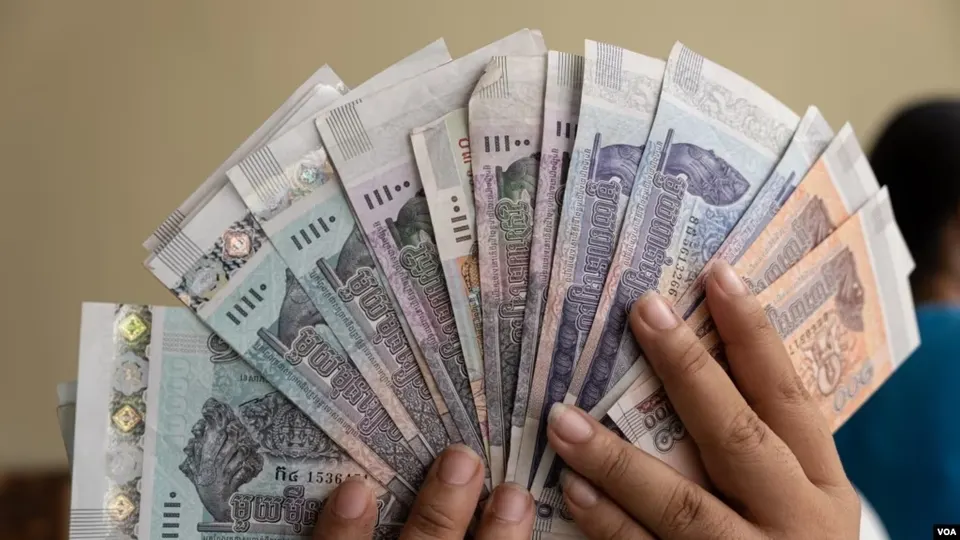
The impact on the Iranian economy was instantaneous. The US Dollar (USD) rose from 190,900 to 195,800 Toman, a sharp 2.6% increase in just 24 hours. This move places the currency within striking distance of the 200,000 Toman psychological barrier, a level that analysts believe could trigger a massive wave of panic buying. Gold prices followed suit, with 18k gold climbing from 18,491,158 to 19,045,200 Toman per gram (+3.0%), and the Emami coin jumping from 185,000,000 to 190,000,000 Toman (+2.7%). These moves reflect a 'risk-off' sentiment where savers are dumping local currency for any hard asset available.
This surge is being amplified by global factors. With the international gold ounce trading at $4,019.30, Iranian investors are facing a 'double-whammy' of a devaluing Toman and a rising global gold market. In the crypto space, Bitcoin is struggling to maintain its footing, squeezing below the $65,556 resistance level. This suggests that even digital assets are not immune to the liquidity crunches and fear-driven volatility that accompany the threat of a major Middle Eastern war. For the average Iranian, the cost of living is now adjusting on an hourly basis, rendering long-term financial planning nearly impossible.
Global Ripples: From Ukraine’s Turmoil to Market Insiders
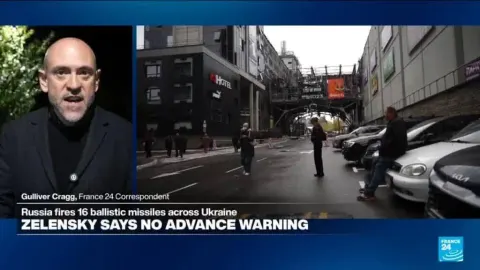
While the Middle East burns, other global theaters are showing signs of significant strain. In Ukraine, the military leadership is facing an internal crisis as protesters begin targeting General Oleksandr Syrskyi. The unrest, fueled by supporters of the ousted defense minister, highlights the fragility of the Ukrainian home front at a time when global attention is being diverted to the Persian Gulf. For markets, this represents 'geopolitical exhaustion,' where multiple high-intensity conflicts compete for limited Western military and financial resources, potentially weakening the resolve of sanctions regimes or aid packages.
Interestingly, some institutional players in the U.S. are using this volatility to reposition. Aqua Capital recently purchased 100,000 shares of Energizer for $2 million, a signal that 'insider' money is still looking for value in consumer staples even as the macro environment darkens. This contrast between retail panic in emerging markets and strategic accumulation in the West suggests that while the Toman is collapsing, the underlying structures of global capital are preparing for a long period of high inflation and supply chain disruption. For our readers, the takeaway is clear: the current volatility is not a temporary spike, but the beginning of a new, more dangerous economic era.

Frequently Asked Questions
Why is the number 16 significant for the US-Iran conflict?
Will the Toman cross the 200,000 threshold this week?
How is the global gold price affecting the Iranian market?
Geopolitical Risk: How Global Tensions Shape Currencies and Gold Prices
Geopolitical risk refers to the potential for political instability, conflict, and international relations to disrupt the global economy and financial markets. Events such as military strikes, regional conflicts, or heightened tensions between major powers — like the recent US troop deaths in Jordan and the ensuing "war fears" mentioned in the headline — are prime examples. These incidents create uncertainty, which directly impacts investor confidence and economic stability worldwide, but particularly in the affected regions.
One of the most immediate and visible effects of escalating geopolitical risk is on a nation's currency. When political tensions rise, investors often perceive the affected country's economy as less stable, leading to capital flight. This means investors sell off assets denominated in the local currency and move their funds to safer havens abroad. The resulting decrease in demand for the local currency, such as the Iranian Rial (often referred to in its unofficial unit, the Toman), causes its value to depreciate significantly against major international currencies like the USD. This devaluation can fuel inflation, reduce purchasing power, and make imports more expensive, severely impacting everyday citizens.
Conversely, periods of high geopolitical risk often see a surge in demand for traditional safe-haven assets, with gold being a prime example. Unlike fiat currencies, gold is a tangible asset with intrinsic value that is not directly tied to the economic or political stability of any single nation. During times of uncertainty, investors flock to gold as a reliable store of value, believing it will retain its purchasing power even if currencies devalue or stock markets crash. This increased demand drives up gold prices, as reflected in "Gold price Tehran update" or "Emami coin price today" in the keywords, offering a protective hedge against economic turmoil.
Understanding geopolitical risk is crucial for deciphering market movements and economic trends. The interconnectedness between political events, currency fluctuations, and safe-haven asset prices highlights how deeply global tensions can permeate financial systems and influence the economic well-being of nations and individuals alike. It's a constant reminder that economics and politics are inextricably linked.