CNN F-Bomb Erupts Over Iran War Goals as Tehran’s New Peace Gambit Cools Oil Prices
جنجال در سیانان بر سر اهداف جنگ ایران؛ پیشنهاد صلح تهران ترمز قیمت نفت را کشید
A heated live TV clash highlights growing US frustration over the lack of clear objectives in the Iran conflict, while Tehran's latest diplomatic proposal through Pakistan triggers a wave of profit-taking in the energy markets.
At time of publishing
USD
177,600
Toman
Gold 18K
20.03M
Toman / gram
Bitcoin
$78,260
US Dollar
Tether
17,456.9
Toman
The 'F-Bomb' Heard Round the World: US Strategy Under Fire
The political atmosphere in Washington reached a boiling point on Thursday night during a live broadcast of CNN’s NewsNight with Abby Phillip. Scott Jennings, a prominent pro-Trump commentator, lost his composure and used an expletive on air after being repeatedly pressed to define the tangible gains of the ongoing US military engagement with Iran. The confrontation with progressive commentator Adam Mockler highlighted a deepening rift in American public discourse: while the administration maintains that the conflict is strictly about preventing a nuclear-armed Iran, critics are increasingly pointing to the lack of a coherent exit strategy or any measurable diplomatic concessions extracted from Tehran despite months of escalation.
This outburst is more than just a viral media moment; it reflects the immense pressure on the Trump administration as the 60-day War Powers Resolution clock continues to tick. White House spokeswoman Anna Kelly recently declined to provide specifics on private diplomatic conversations, but internal briefings suggest that an imminent military strike remains a very real possibility. For the average observer, the confusion on the CNN panel mirrors the confusion in the markets—there is no clear consensus on whether the US is seeking total regime change, a new nuclear deal, or simply a containment of regional influence. As the rhetoric sharpens, the domestic political cost of an undefined war is beginning to rival the economic cost of surging energy prices.

Oil Markets Retreat as Tehran Offers New Diplomatic Path
Global energy markets experienced a significant shift on Friday as crude prices retreated from their recent highs. Brent crude, which had spiked to $126 per barrel earlier in the week, began a descent toward the $110 mark as news broke of a new peace proposal submitted by Tehran. The proposal was reportedly handed over to Pakistani mediators on Thursday night, intended for delivery to the Trump administration. While the specific contents of the document remain classified, the mere existence of a formal diplomatic channel was enough to trigger widespread profit-taking among traders who had been betting on a sustained military escalation and the continued closure of the Strait of Hormuz.
Despite this slight cooling in global oil, the domestic Iranian market remains under pressure. The USD/IRR exchange rate moved from 177,150 to 177,600 Toman, a modest increase of 0.3% over the last 24 hours. This suggests that while international traders are reacting to diplomatic signals, local holders of the Toman remain cautious, hedging against the possibility that the proposal might be rejected by a hawkish White House. Gold prices also showed resilience, with 18k gold rising from 19,870,492 to 20,032,549 Toman (+0.8%), indicating that the flight to safety has not yet reversed in the Iranian retail sector.
Collateral Damage: Spirit Airlines and the Cost of Conflict
The economic consequences of the Iran conflict are now manifesting in the collapse of major Western infrastructure. Spirit Airlines, a pioneer of the low-cost carrier model in the United States, is reportedly preparing to cease operations after failing to secure a rescue deal or manage the crushing weight of jet fuel costs. The airline, which was already struggling in the post-pandemic landscape, found the recent oil price surge—driven entirely by the regional tensions in the Middle East—to be the final blow to its liquidity. This bankruptcy highlights how geopolitical instability in the Persian Gulf translates directly into job losses and service disruptions thousands of miles away in the American heartland.
In Tehran, the response to these global pressures remains one of defiance mixed with strategic outreach. While the diplomatic proposal moves through Pakistani channels, the Commander of the Islamic Republic of Iran Army issued a statement reinforcing that the nation’s military preparedness is at an all-time high. By framing their defense as a reliance on "people's power," the Iranian leadership is signaling to Washington that a military strike would not be a simple surgical operation but a protracted conflict with deep social roots. This dual-track approach—offering a peace deal while simultaneously preparing for total war—is keeping both the White House and the global markets in a state of high-stakes suspense.

Frequently Asked Questions
What was the content of Iran's new proposal to the US?
Why did Spirit Airlines collapse?
How did the Toman react to the peace proposal news?
What is the significance of the CNN 'F-bomb' incident?
Why the Strait of Hormuz Matters for Oil Prices and Global Stability
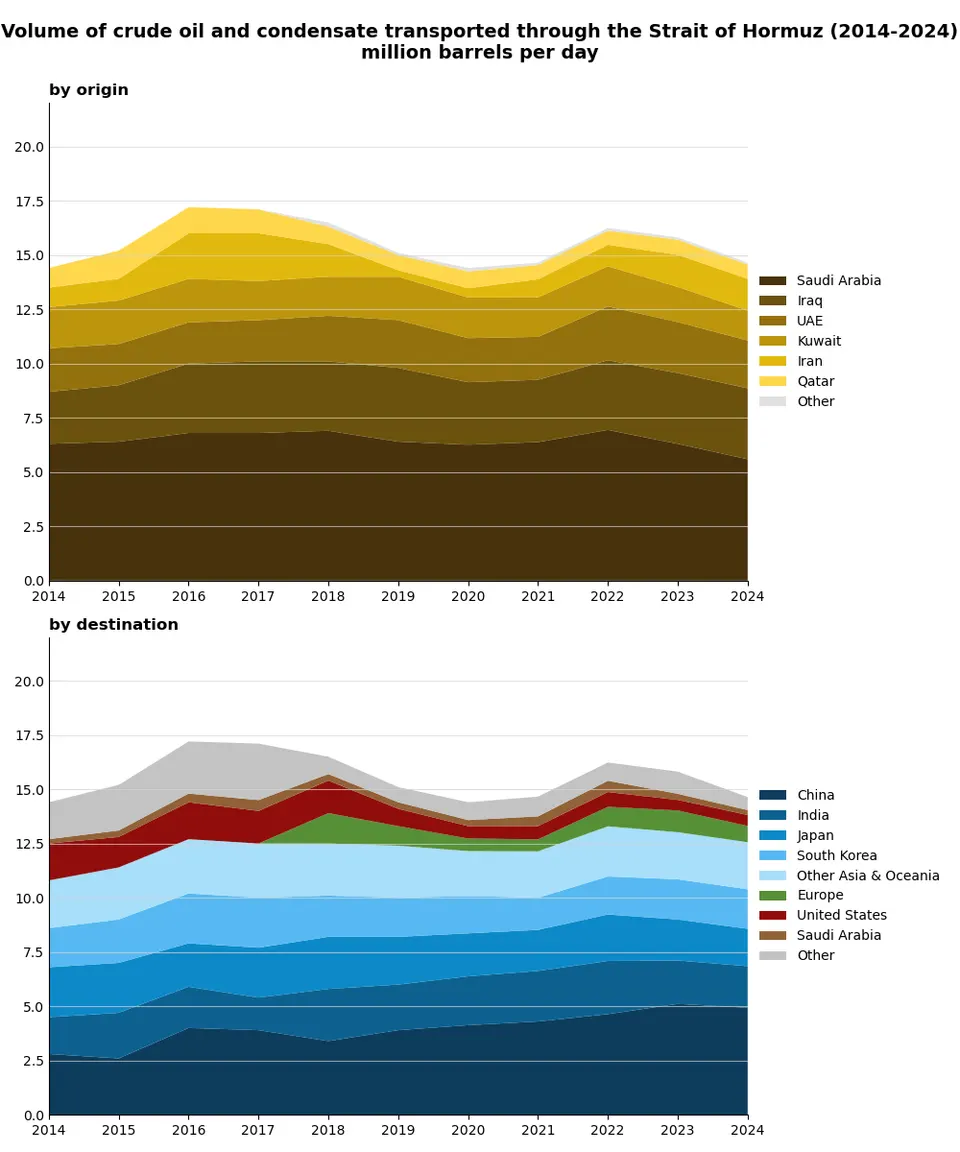
The Strait of Hormuz is a narrow waterway between Oman and Iran that connects the Persian Gulf with the open ocean. Roughly 20% of the world’s petroleum—about 21 million barrels per day—passes through this 21‑mile channel, making it one of the most critical maritime chokepoints for energy trade. Its strategic importance stems not only from geography but also from the fact that the surrounding region holds some of the largest proven oil reserves on the planet.
When political tension rises in the region—such as Iran’s war rhetoric, military drills, or diplomatic dead‑locks—shipping companies and oil traders fear that vessels could be delayed, rerouted, or even targeted. Even the perception of risk can trigger a sharp sell‑off in oil futures, as investors price in the possibility of supply disruptions. The May 2026 drop in Brent crude, which fell more than 5 % after a CNN interview with Iranian officials hinted at a new peace proposal, illustrates how quickly markets react to news from Hormuz.
The ripple effects extend beyond crude. Jet fuel, a refined product of oil, becomes more expensive for airlines, squeezing margins for carriers already under pressure. Spirit Airlines’ recent bankruptcy filing highlighted how volatile fuel costs can tip financially fragile airlines into insolvency. Moreover, a weaker Iranian rial (IRR) against the U.S. dollar—exacerbated by oil‑price swings—feeds inflation at home, complicating Tehran’s domestic agenda while it seeks a diplomatic breakthrough.
Understanding the mechanics of a chokepoint helps explain why diplomatic moves, such as Iran’s 2026 peace gambit or statements from its army chief, can have outsized economic consequences. A de‑escalation that secures free passage through Hormuz can restore confidence, stabilize oil prices, and indirectly support economies far beyond the Middle East, from Pakistan’s import bills to global airline fuel budgets.
Policymakers therefore watch Hormuz closely, not just as a military flashpoint but as a barometer of global energy stability. Any lasting peace agreement that guarantees unimpeded flow through the strait would likely dampen oil‑price volatility, support weaker currencies tied to oil revenues, and reduce the systemic risk that fuels both corporate bankruptcies and broader economic uncertainty.