Trump Rejects Tehran’s Peace Gambit as Israel Deploys Iron Dome to UAE Amid Rising Gulf Tension
رد پیشنهاد صلح تهران توسط ترامپ؛ استقرار گنبد آهنین در امارات همزمان با افزایش تنش در خلیج فارس
President Trump has dismissed a new Iranian peace proposal as 'unsatisfactory' while Israel reportedly deploys Iron Dome systems to the UAE. These developments have pushed the USD/IRR exchange rate to 178,200 as the war deadline looms.
At time of publishing
USD
178,200
Toman
Gold 18K
20.02M
Toman / gram
Bitcoin
$78,494
US Dollar
Tether
17,627.8
Toman
The Iron Dome’s New Frontier in the Persian Gulf
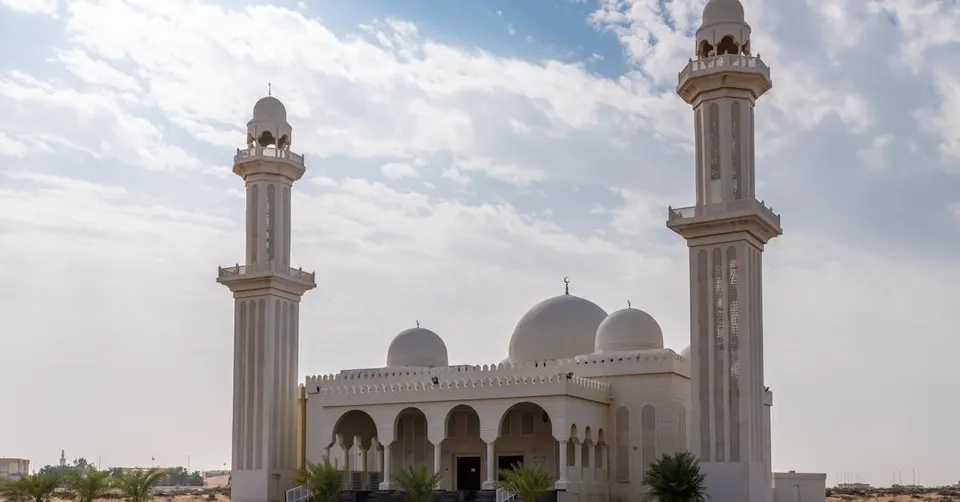
The reported deployment of Israel’s Iron Dome missile defense system to the United Arab Emirates marks a historic and strategic shift in Middle Eastern geopolitics. For the first time, this advanced technology is being utilized to protect an Arab nation from potential Iranian retaliatory strikes. This move underscores the deepening military integration between Israel and its Gulf partners, effectively turning the Abraham Accords into a functional defense alliance against the 'Axis of Resistance.'
For readers in Iran, this development signals a significant change in the regional balance of power. The presence of Israeli interceptors on the opposite shore of the Persian Gulf could potentially neutralize the effectiveness of drone and missile swarms, which have been a cornerstone of Tehran’s deterrent strategy. As the UAE bears the brunt of regional friction, the arrival of the Iron Dome suggests that the 'kinetic' phase of the conflict is being met with a coordinated, high-tech response that isolates Tehran further from its neighbors.
Trump Rejects Pakistan-Mediated Peace Proposal
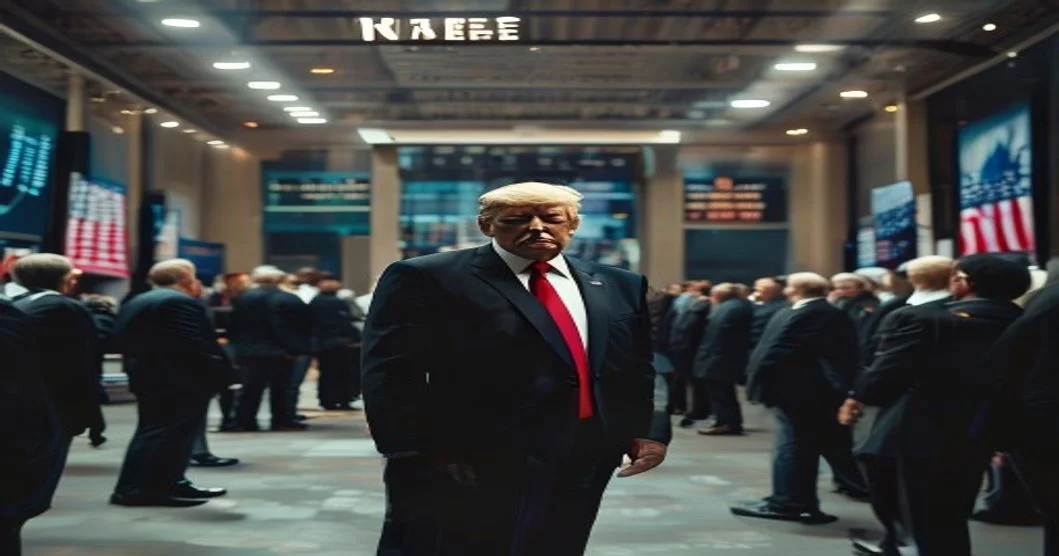
On the diplomatic front, the atmosphere has soured as President Donald Trump publicly dismissed a fresh peace proposal submitted by Tehran via Pakistani mediators. Speaking late Friday, Trump characterized the Iranian leadership as "very confused" and stated he was "not happy" with the current terms. This rejection is particularly critical because it comes as the 60-day War Powers Resolution deadline approaches, which would require the U.S. administration to seek formal congressional approval for continued or expanded military operations.
The market’s reaction to this diplomatic stalemate was immediate and clinical. The USD/IRR exchange rate, which had shown signs of stabilizing, rose from 177,150 to 178,200 (+0.6%) in the last 24 hours. This 'war premium' reflects the growing anxiety among Iranian traders that a diplomatic off-ramp is becoming less likely. The lack of a coherent strategy from Washington, as noted by some officials, adds a layer of unpredictable volatility to the Toman’s value as the deadline for a potential military strike remains on the table.

The Kinetic Reality of the Strait of Hormuz
Away from the halls of power, the situation on the water in the Strait of Hormuz is described as a dense and ambiguous 'maritime ecosystem.' Reports from the frontline highlight the presence of approximately 300 Iranian speedboats—often referred to as the 'mosquito fleet'—bouncing along the waves at high speeds. This asymmetrical naval force blurs the lines between civilian smugglers and military actors, creating a high-risk environment where a single miscalculation could trigger a global energy crisis.
This complexity is why insurance premiums for shipping remain at record highs and why gold prices in Iran continue to climb. Gold 18k rose by 0.8% today to reach 20,023,777 Toman per gram. Investors are hedging against the possibility of a naval blockade or an accidental skirmish in the Strait, which handles nearly 20% of the world's oil supply. The 'haze' described by observers in the region is both literal and metaphorical, as the path to peace remains obscured by military posturing.
Global Trade War: Trump’s Multi-Front Aggression
Adding to the global economic chaos, President Trump has threatened to impose a 25% tariff on European cars and trucks, accusing the EU of non-compliance with previous deals. This move demonstrates that the U.S. administration is willing to engage in aggressive trade wars with its own allies even while managing a potential military conflict in the Middle East. This 'America First' approach makes international mediation for the Iran crisis more difficult, as European leaders are now forced to defend their own economies against Washington’s protectionism.

For the Iranian economy, this global friction is a double-edged sword. While it may distract Washington, it also weakens the global financial stability that Iran needs for any potential sanctions relief. As the U.S. tears up agreements with the EU, the credibility of any future deal with Tehran is being questioned by market participants, further driving the flight to hard assets like gold and the US Dollar within the domestic Iranian market.
Frequently Asked Questions
Why is the deployment of the Iron Dome to the UAE significant?
What was Trump's specific reaction to the Iranian peace proposal?
How has the Iranian Rial responded to these geopolitical developments?
What is the current status of the Strait of Hormuz?
The Strategic Importance of the Strait of Hormuz
The Strait of Hormuz is a narrow waterway, only about 21 nautical miles (39 km) wide at its narrowest point, that connects the Persian Gulf with the Gulf of Oman and the open Indian Ocean. Despite its modest size, it is one of the world’s most critical maritime chokepoints because roughly 20‑30% of global oil consumption passes through it each day, most of it originating from Saudi Arabia, Iraq, the United Arab Emirates, Kuwait and Iran.
Because the strait is so vital to the energy supply chain, any threat to its security instantly reverberates through global markets. A disruption—whether caused by mines, missile attacks, or a deliberate closure—can spike oil prices, trigger currency volatility, and force nations to reroute tankers around the Cape of Good Hope, adding weeks of travel and billions of dollars in extra costs. This is why the United States maintains a constant naval presence there, and why Iran repeatedly threatens to block or mine the passage as leverage in diplomatic negotiations.
Historically, the strait has been a flashpoint for regional tension. In 1987, during the Iran–Iraq War, the U.S. Navy engaged Iranian fast attack craft in the “Tanker War,” and in 2019 the United Kingdom’s HMS Duncan and French frigate Courbet escorted merchant vessels after Iranian attacks on oil tankers. More recently, rhetoric surrounding the 2026 Iran‑U.S. conflict has raised alarms that Tehran could use the strait to pressure Western economies, especially as sanctions tighten and oil revenues shrink.
Understanding the Strait of Hormuz is essential for grasping why Gulf tensions—whether over missile defenses like the Iron Dome, currency devaluations, or gold price spikes—have outsized global consequences. The waterway’s strategic value makes it a barometer of Middle‑East stability and a lever that can amplify any diplomatic or military move in the region.