Tehran’s Cafe Refuge: Iranians Seek Solace as Trump Ignites EU Trade War and Sidesteps Congress on War Powers
پناهگاه کافههای تهران؛ جستجوی آرامش در میان طوفان تعرفههای ترامپ علیه اروپا و دور زدن کنگره در پرونده جنگ
As Tehran's late-night cafe culture becomes a psychological shield against war fatigue, Donald Trump has stunned markets by hiking EU car tariffs to 25% and claiming unilateral authority over Iran policy following a fragile ceasefire.
At time of publishing
USD
178,000
Toman
Gold 18K
20.02M
Toman / gram
Bitcoin
$78,341
US Dollar
Tether
17,573.9
Toman
The Quiet Resilience of Tehran’s Late-Night Cafes
As the clock strikes 23:00 in Tehran, a peculiar scene unfolds across the capital’s northern and central districts. Despite the looming geopolitical tensions and the economic weight of a 178,000 Toman dollar, the city’s cafes are packed to capacity. A recent report highlights that for many Iranians, these spaces have become more than just places for caffeine; they are psychological bunkers. In the face of persistent war rhetoric and the exhaustion of navigating a sanctions-heavy economy, the youth and middle class alike are flocking to coffee shops to find a sense of normalcy, community, and an affordable escape from the ‘wreckage’ of regional instability.
This surge in cafe culture reflects a deeper societal shift. When the future feels unpredictable, the immediate comfort of a shared table becomes a form of quiet protest and survival. For the average Iranian reader, this trend underscores the disconnect between high-level diplomatic posturing and the daily reality of the street. While the USD has moved from 177,150 to 178,000 (+0.5%) in the last 24 hours, the focus for many has shifted from watching the screens to preserving their mental well-being in these urban sanctuaries.

Trump’s ‘Terminated’ Hostilities and the Congressional Sidestep
In a move that has legal scholars and lawmakers in Washington scrambling, President Donald Trump has officially informed Congress that he no longer requires their authorization for military action regarding Iran. His reasoning is characteristically bold: he argues that because a ceasefire has been established, the previous state of hostilities has "terminated," effectively resetting the legal clock. This maneuver is designed to bypass the War Powers Act, giving the White House a free hand to act unilaterally if the current peace proposals—mediated recently through Pakistan—fail to meet his standards.
Tehran recently passed a new peace proposal to mediators in Islamabad, but Trump remains publicly unsatisfied, stating that his options are still narrowed down to either a "perfect deal" or a return to aggressive measures. This diplomatic stalemate is keeping the markets on edge. For Iranians, this means the threat of sudden escalation remains a constant variable in the exchange rate equation. The President’s refusal to be bound by Congressional oversight suggests that the coming weeks will be defined by personal diplomacy and high-stakes brinkmanship rather than established institutional frameworks.
Global Trade War 2.0: 25% Tariffs on European Cars
While the Middle East remains a focal point, Trump has simultaneously opened a massive second front in his global economic strategy. Blindsiding Brussels on a public holiday, the US President announced that tariffs on cars and trucks imported from the European Union will surge from 15% to 25% starting next week. Trump cited non-compliance with previous trade agreements as the primary driver for this escalation, effectively tearing up parts of the deal struck last summer. This move has sent shockwaves through the global automotive industry and is expected to trigger immediate retaliatory measures from the EU.
For the Iranian market, this global friction is rarely isolated. A trade war between the US and EU often leads to a stronger US Dollar as investors seek safety, which indirectly puts upward pressure on the USD/IRR rate. Furthermore, with the price of 18k gold rising to 20,023,777 Toman (+0.8%), it is clear that local investors are already hedging against broader global instability. As the US moves toward a more protectionist stance, the volatility in international trade will likely continue to spill over into local commodity prices and currency valuations.
Ethereum Foundation Sells as Bitcoin Tests $78,000
In the digital asset space, the Ethereum Foundation has continued its streak of liquidations, selling another $23 million worth of ETH to Tom Lee’s BitMine. This brings their recent divestment total to $47 million over the last two weeks. While the Foundation maintains that these funds are strictly for R&D and ecosystem grants, the timing has raised eyebrows among traders. Despite this selling pressure, Ethereum remains resilient, though it trails behind Bitcoin’s performance as the primary cryptocurrency trades at $78,341, bolstered by institutional ‘dip-buying’ from giants like Canada’s AIMCo.
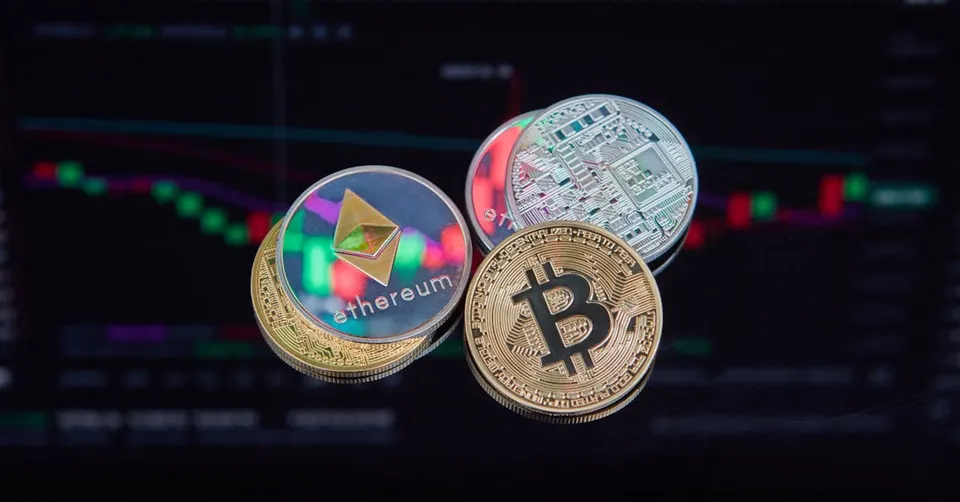
For Iranian crypto enthusiasts, the resilience of Bitcoin at these levels provides a vital hedge against Toman devaluation. The 24-hour delta shows a steady climb in risk appetite globally, even as the Ethereum Foundation unloads its holdings. The divergence between the Foundation's selling and the market's buying suggests that institutional demand is currently absorbing the supply, preventing a broader market correction. As the US May Day protests—including an 'economic blackout' and demonstrations at the New York Stock Exchange—create domestic noise, the crypto market is increasingly viewed as a detached, sovereign financial layer.
Frequently Asked Questions
Why is Trump claiming he doesn't need Congressional approval for Iran actions?
How do the new 25% EU car tariffs affect the Iranian market?
Why is the Ethereum Foundation selling millions in ETH right now?
The War Powers Resolution: Balancing Executive and Legislative Authority in Military Action
The War Powers Resolution, often referred to as the War Powers Act of 1973, is a landmark U.S. federal law designed to limit the President's ability to commit the United States to armed conflict without the consent of Congress. Enacted in the wake of the Vietnam War, a conflict that saw extensive presidential deployment of troops without a formal declaration of war, its primary goal was to reassert congressional authority over the decision to go to war, ensuring a constitutional balance of power between the executive and legislative branches.
At its core, the Resolution mandates that the President must consult with Congress before introducing U.S. armed forces into hostilities or into situations where imminent involvement in hostilities is clearly indicated. If such consultation is impractical, the President must report to Congress within 48 hours of deploying troops. Crucially, it stipulates that the President must withdraw forces after 60 days (with a possible 30-day extension for troop safety) unless Congress has declared war, specifically authorized the use of force, or extended the 60-day period. This mechanism aims to prevent prolonged military engagements initiated solely by executive order.
Despite its clear intent, the War Powers Resolution has been a source of continuous constitutional debate and controversy. Many presidents, regardless of party, have viewed it as an unconstitutional infringement on their powers as Commander-in-Chief, often circumventing its provisions or interpreting them broadly. The headline's mention of a president "sidestepping Congress on War Powers" directly reflects this ongoing tension. It highlights instances where presidents have initiated military actions or deployments without explicit congressional authorization, leading to questions about the resolution's effectiveness and the true balance of power in matters of war and peace, particularly in complex geopolitical scenarios involving nations like Iran.