Trump Launches 'Project Freedom' in Hormuz as Bitcoin Smashes $80,000 Psychological Barrier
آغاز «پروژه آزادی» ترامپ در هرمز همزمان با فتح قله ۸۰ هزار دلاری بیتکوین
Global markets are on edge as President Trump initiates a naval escort plan in the Persian Gulf, while Bitcoin hits a historic milestone. Meanwhile, Australia warns that global inflation remains 'hostage' to the ongoing Middle East conflict.
At time of publishing
USD
188,900
Toman
Gold 18K
20.99M
Toman / gram
Bitcoin
$80,012
US Dollar
Tether
18,807.9
Toman
Market Open — Toman Holds Steady while Coins Surge
The Tehran market opened this Monday with a cautious but firm tone. The US Dollar (USD/IRR) saw a marginal decline, moving from 189,100 to 188,900 Toman, a slight dip of 0.1%. While the currency market remains relatively stable, the gold coin sector is showing significant heat. The Emami coin jumped from 206,000,000 to 209,000,000 Toman, marking a 1.5% increase in just 24 hours. This divergence suggests that while immediate currency panic is absent, investors are hedging heavily into gold as regional tensions simmer.
Gold 18k per gram remained flat at 20,992,428 Toman, reflecting the stability in the local spot price despite the massive volatility in international markets. On the global stage, Gold is trading at a staggering $4,595 per ounce, a level that would have seemed impossible just years ago. For the Iranian reader, this morning represents a 'wait and see' period; the slight drop in the dollar provides a breather, but the surge in coin prices indicates that the market is bracing for a volatile week ahead.
Project Freedom: Trump’s High-Stakes Move in the Strait of Hormuz
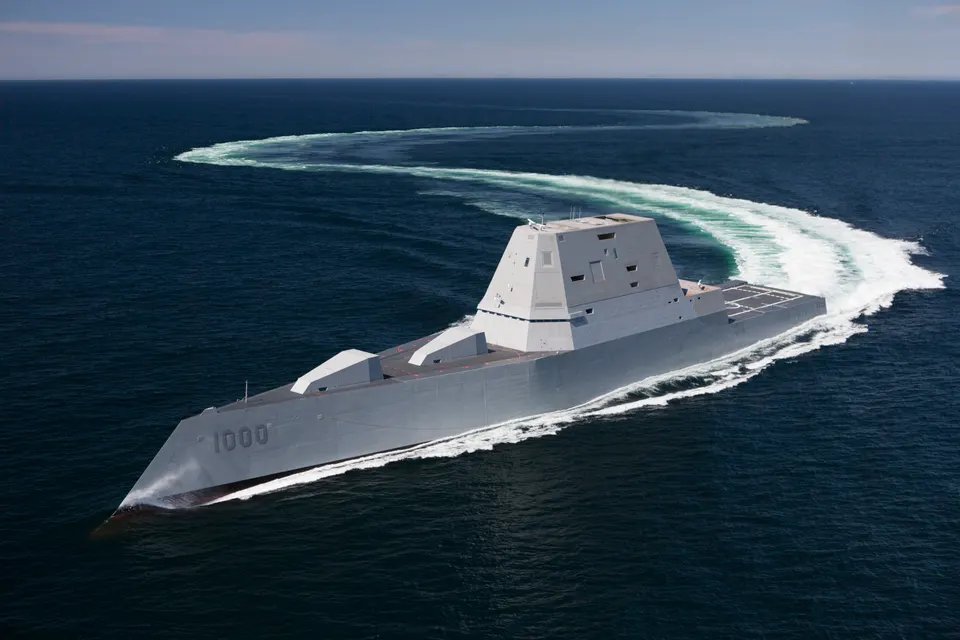
In a move that has sent ripples through global energy markets, President Donald Trump has officially launched "Project Freedom." The initiative involves the U.S. Navy guiding neutral merchant vessels through the Strait of Hormuz, which has been largely paralyzed by the ongoing conflict between the U.S.-Israel axis and Iran. Trump’s announcement on social media claimed the U.S. would "free" the stranded shipping lanes, but the move has been met with immediate friction. Iranian officials have already warned that such an intervention could be viewed as a violation of existing ceasefire understandings, raising the specter of a direct naval confrontation.
Oil prices reacted with uncharacteristic volatility. Initially, Brent crude dropped 0.39% to $107.80 as traders speculated that the project might restore supply flows. However, the relief was short-lived as analysts pointed out the extreme risks involved. If "Project Freedom" leads to a skirmish, the current $107 price floor could vanish, replaced by a vertical spike. For Iran, this is a critical development; any attempt to bypass local control of the Strait challenges the primary leverage Tehran holds over global energy security.
What this means for the reader is a period of extreme sensitivity in the USD/IRR rate. Historically, any escalation in the Persian Gulf translates directly to a spike in the "Fear Index" in Tehran’s Ferdowsi Street. While the dollar is down slightly this morning, the success or failure of the first few escorted convoys today will likely dictate whether the Toman strengthens or faces a new round of devaluation by the evening.
Bitcoin Smashes $80,000 as Institutional FOMO Takes Over
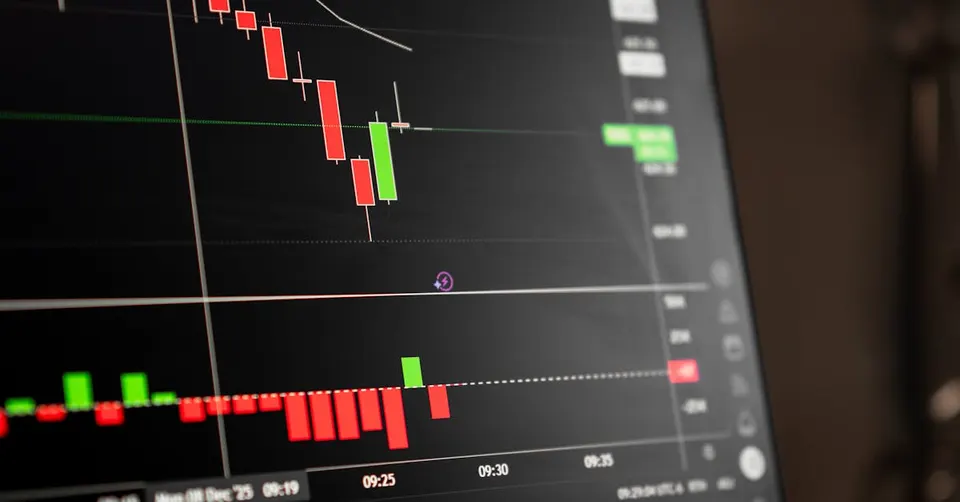
Bitcoin has finally shattered the $80,000 psychological resistance level, a milestone that has been months in the making. The rally, which saw BTC touch $80,012 this morning, is being driven primarily by massive inflows into spot ETFs and a growing sense that the digital asset is the ultimate hedge against geopolitical instability. Unlike previous rallies driven by retail speculation, this surge is backed by institutional 'Fear Of Missing Out' (FOMO), as sovereign funds and major corporations increase their allocations.
Interestingly, MicroStrategy has reportedly paused its aggressive Bitcoin purchases ahead of its Tuesday earnings report. While some see this as a warning sign of a local top, veteran traders like Peter Brandt suggest that while a correction might occur later in 2026, the long-term trajectory is toward $250,000. For the Iranian crypto community, the $80k break is a double-edged sword. While portfolio values are soaring, the entry price for new investors is becoming prohibitively high, potentially pushing more traders toward altcoins like Ethereum, which currently sits at $2,376.
This breakout confirms Bitcoin's role as a 'digital gold' during times of war. With the Strait of Hormuz in the headlines, the flight to decentralized assets is accelerating. If Bitcoin holds the $80,000 level as new support, we could be entering a new era of price discovery where six-figure valuations are no longer a meme but a mathematical probability.
Australia’s Budget Warning: The World is 'Hostage' to Oil
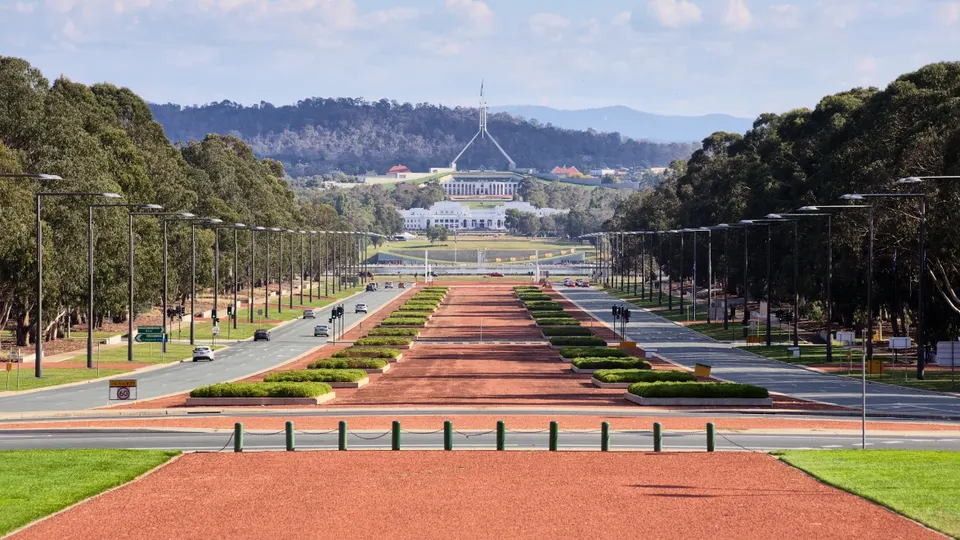
Across the globe, Australian Treasurer Jim Chalmers has provided a sobering reality check for the global economy. In his latest budget briefing, Chalmers ruled out extending fuel tax cuts, stating that Australia—and by extension, the rest of the world—is effectively a "hostage" to the wild swings in oil prices caused by the Middle East conflict. This statement highlights a growing trend: even countries far removed from the physical battlefield are seeing their domestic policies dictated by the tensions in the Persian Gulf.
Australia’s situation serves as a proxy for many Western economies struggling with 'sticky' inflation. The 66% surge in electric vehicle (EV) sales in New South Wales is a direct consumer response to the unreliability of fossil fuel prices. For the Iranian observer, this is a crucial piece of the puzzle. It shows that the global appetite for a resolution to the Middle East conflict is reaching a breaking point. As major economies like Australia feel the pinch, international pressure for a permanent settlement—or at least a predictable status quo—will intensify.
The consequence for the Iranian economy is twofold. On one hand, high oil prices provide a theoretical revenue boost, but on the other, the global inflationary pressure makes the cost of imports even more expensive. Chalmers’ "most responsible" budget approach is a signal that the era of easy money and government subsidies is ending worldwide, a trend that will eventually force even the most isolated markets to adapt to a high-interest, high-cost environment.
Frequently Asked Questions
What is Trump's 'Project Freedom'?
Why did Bitcoin reach $80,000 today?
How is the Iranian gold market reacting to the news?
What is the significance of Australia's budget warnings?
Sanctions Evasion Through Cryptocurrency: How Nations Bypass Economic Restrictions
Economic sanctions are a powerful diplomatic tool, but they often create incentives for targeted countries to seek alternative ways to move value across borders. One increasingly popular method is the use of cryptocurrencies, which can be transferred peer‑to‑peer without relying on the traditional banking system that sanctions typically monitor. Because blockchain transactions are pseudonymous and can be routed through a global network of nodes, they offer a degree of opacity that makes it harder for sanctioning authorities to block or trace funds.
Iran, for example, has turned to digital assets to mitigate the impact of U.S. and EU sanctions that restrict its access to the global financial system. By encouraging the domestic mining of Bitcoin and promoting the use of stablecoins pegged to the Iranian rial, Tehran hopes to sustain international trade—especially oil sales—while sidestepping the usual dollar‑based channels that are subject to watch‑lists and asset freezes. The strategic location of the Strait of Hormuz, a chokepoint for oil shipments, amplifies the relevance of such crypto‑based workarounds, as any disruption there can quickly translate into heightened demand for alternative payment methods.
The concept of a “psychological price barrier,” such as Bitcoin breaching the $80,000 mark, also plays into this dynamic. When a cryptocurrency reaches a round, high‑visibility level, it draws media attention and can spur speculative inflows, increasing liquidity and making the asset more attractive for illicit or sanctioned transactions. This surge can temporarily boost the purchasing power of sanctioned actors, allowing them to acquire hard assets like gold or foreign currency at more favorable rates, which they can then convert into crypto for further use.
However, the use of crypto for sanctions evasion is not without risks. Governments are developing sophisticated blockchain analytics tools, and many exchanges now enforce strict KYC/AML policies. Moreover, the volatility of assets like Bitcoin can jeopardize the value of the funds being transferred, especially when markets experience rapid rallies or crashes. Nations attempting to rely on crypto must therefore balance the benefits of circumvention against the potential for financial loss and increased regulatory scrutiny.
Understanding the interplay between sanctions, cryptocurrency, and global commodity markets is essential for policymakers, investors, and anyone interested in the future of international finance. As digital assets become more entrenched in the global economy, their role in shaping geopolitical strategies will likely expand, prompting both innovation and new regulatory challenges.
Topics
Related Articles