West Bank Violence Surges Amid Iran War Distraction; GameStop Bids $55B for eBay
تشدید خشونتها در کرانه باختری همزمان با بحران هرمز؛ پیشنهاد ۵۵ میلیارد دلاری گیماستاپ برای خرید eBay
As global attention remains fixed on the U.S.-Iran naval standoff and 'Project Freedom' in the Strait of Hormuz, Israeli settler violence in the West Bank reaches a boiling point. Meanwhile, a shock $55.5 billion takeover bid for eBay by GameStop and new data on the 'broken' U.S. retirement system shake global markets.
At time of publishing
USD
188,900
Toman
Gold 18K
20.81M
Toman / gram
Bitcoin
$78,442
US Dollar
Tether
19,011.3
Toman
The West Bank Distraction: Violence Escalates Under the Shadow of War
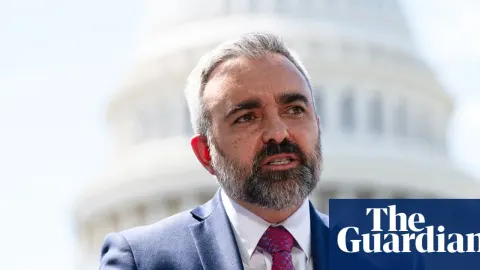
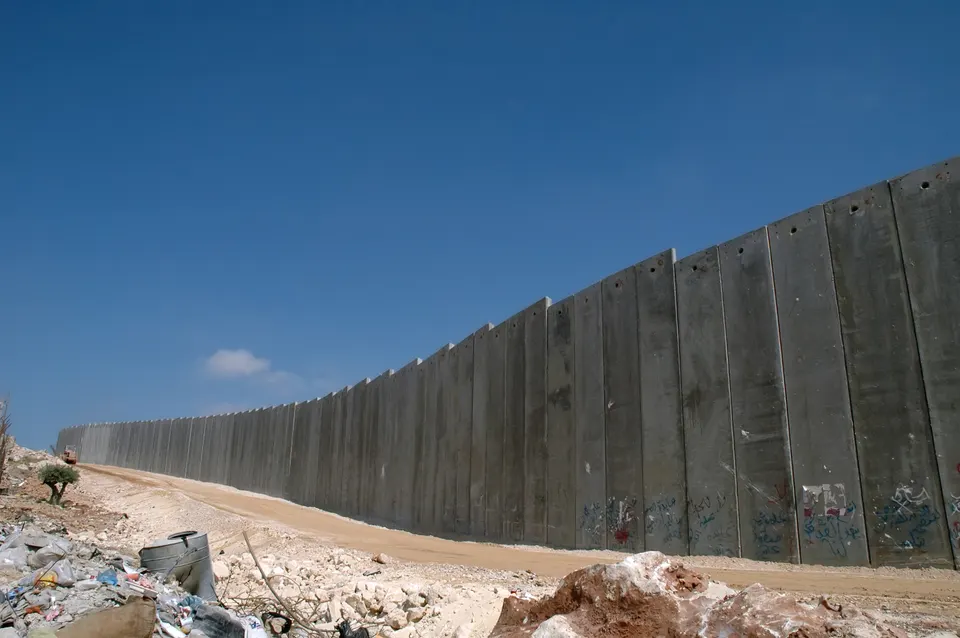
As the international community remains hyper-focused on the escalating naval conflict between the United States and Iran, a dangerous vacuum has formed in the West Bank. Reports from the New York Times and Al Jazeera indicate that Israeli settler violence against Palestinians has reached unprecedented levels, with military officials warning that the government’s failure to intervene is creating a secondary front of instability. This surge in violence is not merely a localized issue; it represents a strategic shift where regional actors are exploiting the 'fog of war' created by the Strait of Hormuz crisis to settle long-standing territorial disputes. The lack of arrests and the perceived impunity for these attacks have prompted urgent calls for intervention from within the Israeli military itself, fearing that a total breakdown of order in the West Bank could overstretch regional security forces already taxed by the Iran conflict.
Further complicating the geopolitical landscape is the controversial behavior of high-ranking officials. Israeli Minister Itamar Ben-Gvir has drawn widespread international condemnation for celebrating with a 'noose cake,' a move that critics argue signals a total disregard for diplomatic de-escalation. While Amsterdam becomes the first capital to ban meat and fossil fuel advertising in a bid for climate leadership, the Middle East remains mired in a cycle of provocation. For Iranian observers, this regional instability serves as a double-edged sword: while it distracts Western resources, it also increases the risk of a wider conflagration that could further isolate the Iranian economy and drive up the cost of essential imports through increasingly dangerous shipping lanes.
Project Freedom and the Hormuz Standoff
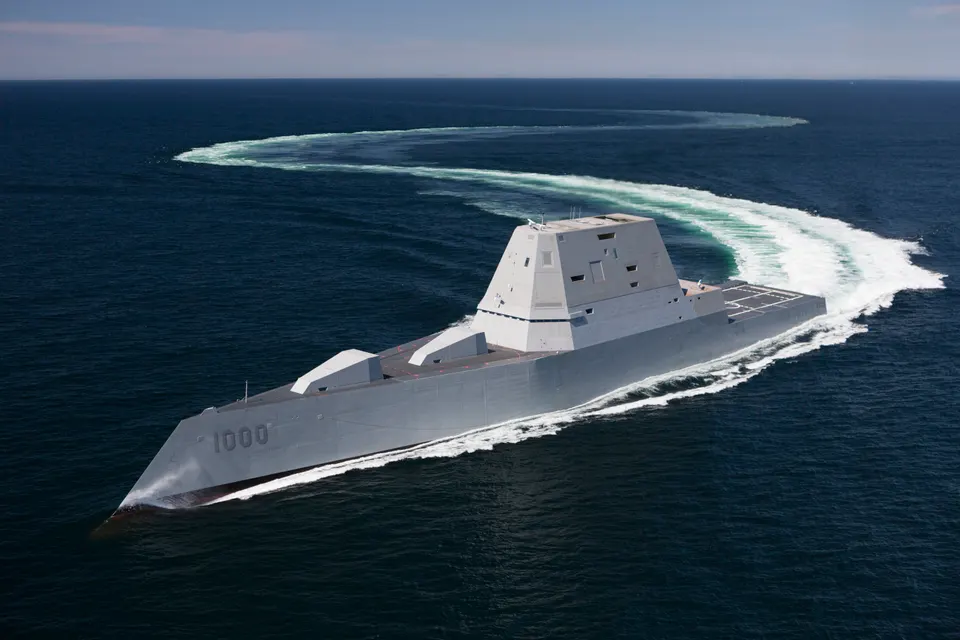
At 14:00 Tehran time, the markets are reacting to the official commencement of President Donald Trump’s 'Project Freedom.' The operation, which began Monday morning, involves U.S. naval assets escorting stranded merchant vessels out of the Strait of Hormuz. Trump has framed this as a 'humanitarian gesture' to aid neutral countries whose ships have been trapped by Iranian blockades. However, the Iranian Armed Forces have issued a stern counter-warning, stating they will target any foreign forces that attempt to enter or approach the strategic waterway. This 'game of chicken' has kept the Iranian Rial under immense pressure, though the currency showed a slight correction today. The USD sell rate moved from 189,100 to 188,900 Toman, a marginal decrease of 0.1%, suggesting that while the market is tense, it has already priced in much of the initial 'Project Freedom' rhetoric.
Why this matters for the average Iranian household is the direct link between naval stability and the price of gold and consumer goods. Gold 18k per gram saw a more significant drop, moving from 20,992,428 to 20,814,903 Toman (-0.8%), reflecting a global cooling in gold prices as some investors rotate back into the U.S. Dollar amid high interest rates. However, the Emami coin rose slightly by 0.2% to 206,500,000 Toman, indicating that domestic demand for physical hedges remains robust. As long as the Strait remains a contested zone, the volatility in these assets will continue to dictate the purchasing power of the middle class, making every naval maneuver a direct economic event for Tehran.
The Great Market Disruption: GameStop’s $55 Billion eBay Gambit
In a move that has stunned Wall Street and retail investors alike, GameStop CEO Ryan Cohen has launched a $55.5 billion takeover bid for eBay. The logic behind the deal is an aggressive pivot to transform the 'meme stock' darling into a legitimate e-commerce titan capable of rivaling Amazon. This story has momentarily diverted attention from the crypto markets, where Bitcoin bears recently lost $300 million in liquidations as the premier digital asset surged toward the $80,000 mark. The GameStop-eBay deal represents a massive consolidation of retail power, suggesting that the era of speculative 'meme' trading is evolving into a period of institutional-scale corporate raiding. For global investors, this signals a return to high-stakes M&A (Mergers and Acquisitions) activity, even as interest rates remain elevated.

Simultaneously, a heated debate over the U.S. Social Security system is gaining traction. New reports suggest that if citizens had been allowed to invest their Social Security contributions into the S&P 500 over the last few decades, many would be retiring with millions rather than struggling on fixed incomes. This 'broken system' narrative coincides with today's high-yield savings environment, where rates are reaching 4.1% APY. For Iranians looking at global benchmarks, this highlights a stark contrast: while the West debates the efficiency of its massive capital markets, the Iranian investor is forced to navigate a landscape of 30%+ inflation and restricted access to these very same growth engines. The divergence between Western 'wealth building' debates and the Iranian 'wealth preservation' struggle has never been more apparent.
Accountability and Inquiry: Lessons from the Hong Kong Fire
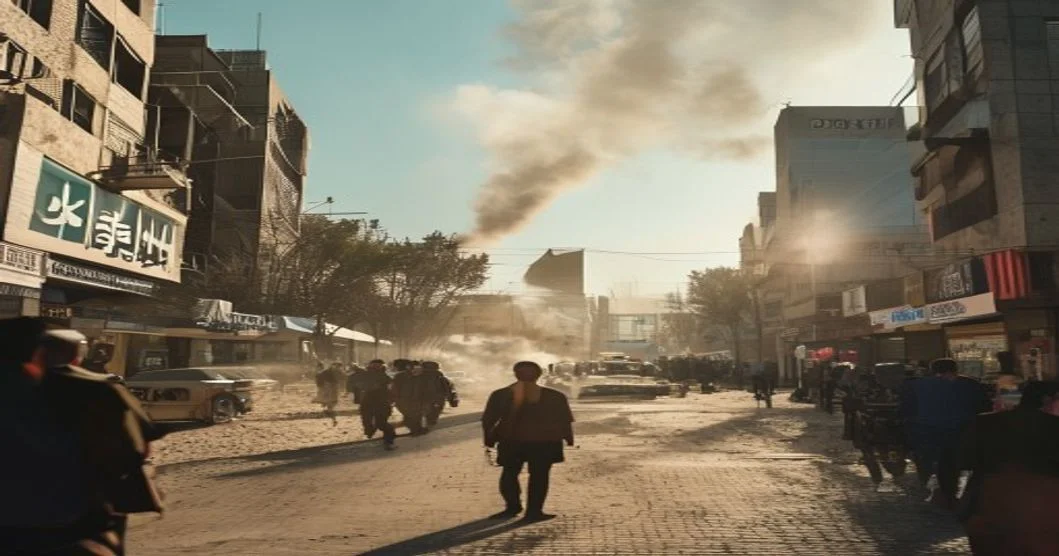
While the headlines are dominated by war and finance, a sobering inquiry in Hong Kong has revealed the catastrophic human cost of corporate and regulatory negligence. The investigation into a deadly apartment fire that claimed 168 lives has exposed how disabled alarms, flammable materials, and ignored safety warnings were the primary culprits. This story resonates deeply in urban centers like Tehran, where aging infrastructure and rapid, often unregulated development pose similar risks. The Hong Kong inquiry serves as a grim reminder that 'economic growth' and 'real estate booms' mean little if the underlying safety protocols are sacrificed for profit. It highlights a global trend where citizens are increasingly demanding accountability from both private developers and government inspectors, a sentiment that is echoed in recent Iranian social discourse regarding building safety and urban planning.
Watch
Israeli minister's 'disgusting noose cake' draws widespread criticism • FRANCE 24 English
FRANCE 24 English
Frequently Asked Questions
What is 'Project Freedom' and how does it affect the Iranian Rial?
Why is GameStop bidding for eBay, and what does it mean for retail investors?
Why are gold prices in Iran falling despite regional tensions?
Understanding Mergers and Acquisitions (M&A)
The headline's mention of "GameStop Bids $55B for eBay" brings into sharp focus a fundamental aspect of corporate finance: Mergers and Acquisitions (M&A). M&A refers to the consolidation of companies or assets through various financial transactions. While often used interchangeably, a merger typically involves two companies of roughly equal size combining to form a new entity, whereas an acquisition occurs when one company takes over another and establishes itself as the new owner, with the acquired company ceasing to exist as an independent entity. In GameStop's hypothetical bid for eBay, this would be an acquisition, with GameStop aiming to absorb eBay's operations and assets.
Companies engage in M&A for a multitude of strategic reasons. A primary driver is the pursuit of synergies, where the combined value and performance of the two companies are greater than the sum of their individual parts. This can manifest as cost savings through eliminating redundant operations, increased revenue from cross-selling products, or enhanced market power. Other motivations include gaining market share, diversifying product lines or geographic reach, acquiring new technologies or intellectual property, and even eliminating a competitor. For GameStop, such a massive bid might be driven by a desire to rapidly expand its e-commerce footprint and digital offerings, leveraging eBay's established platform.
The M&A process is complex, involving extensive due diligence, valuation, negotiation, and often significant regulatory hurdles. Companies must assess the target's financial health, legal liabilities, and cultural fit. Valuing a company at $55 billion, as GameStop hypothetically would for eBay, requires sophisticated financial modeling to justify the price to shareholders. Once a deal is struck, the integration phase is critical and often challenging, as merging different corporate cultures, systems, and workforces can be fraught with difficulties.
The impact of M&A extends beyond the boardrooms. For shareholders of the acquiring company, a successful acquisition can lead to increased stock value, but a poorly executed one can destroy wealth. For employees, M&A can mean job losses due to redundancy or new opportunities within a larger organization. Customers might see changes in product offerings, pricing, or service quality. Ultimately, large-scale M&A deals like the GameStop/eBay hypothetical can reshape entire industries, influencing competition, innovation, and consumer choice.
Topics
Related Articles