Missile Claims and Market Jitters: The Hormuz Standoff Hits a Fever Pitch
شایعات موشکی و تلاطم بازارها؛ اوجگیری تنشها در تنگه هرمز و واکنش قیمتها
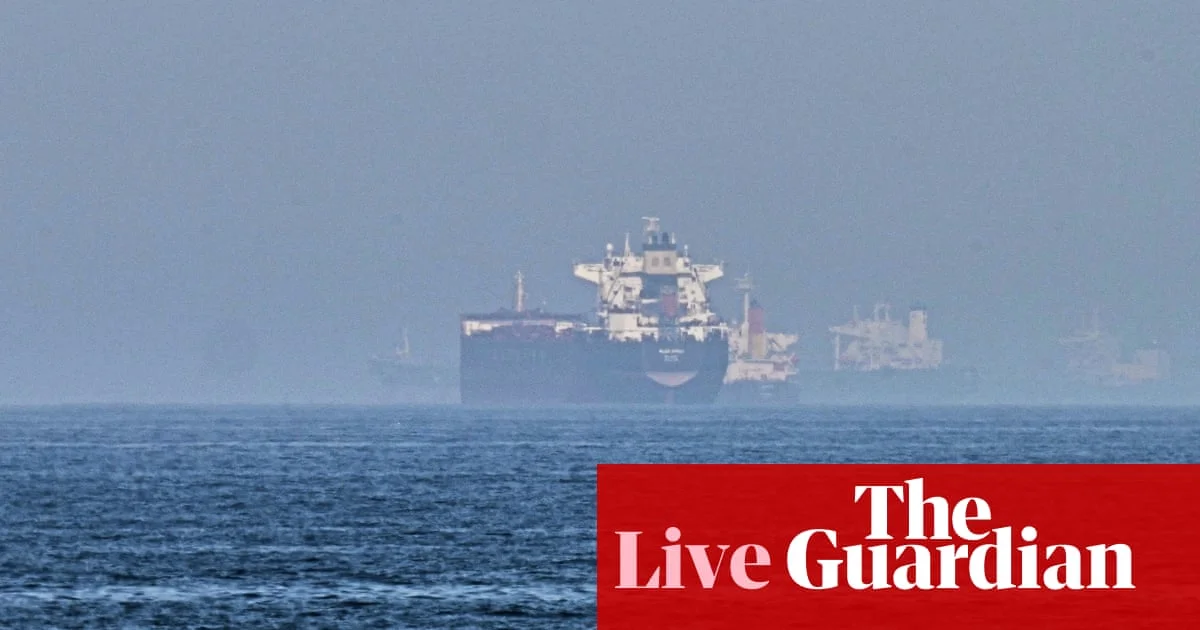
Tensions in the Strait of Hormuz spiked today following unconfirmed reports of an Iranian missile strike on a U.S. warship, sending oil prices higher and Bitcoin into a brief tailspin. While the U.S. denies any vessel was hit, the rhetoric from both Tehran and Washington suggests a dangerous new phase in the maritime blockade.
At time of publishing
USD
188,900
Toman
Gold 18K
20.89M
Toman / gram
Bitcoin
$78,882
US Dollar
Tether
18,924.9
Toman
The Fog of War: Missile Claims Shake Global Markets
The geopolitical landscape shifted violently this hour as reports from Iran's Fars news agency claimed that two missiles successfully struck a U.S. Navy frigate attempting to transit the Strait of Hormuz. The news sent an immediate shockwave through global financial corridors, with oil prices spiking nearly 5% within minutes of the report. However, U.S. Central Command (CENTCOM) was quick to issue a formal denial, stating that no American vessels have been hit and that the reported incident did not occur as described by Tehran. This discrepancy highlights the intense "fog of war" currently clouding the region, where information is used as much as a weapon as physical ordnance.
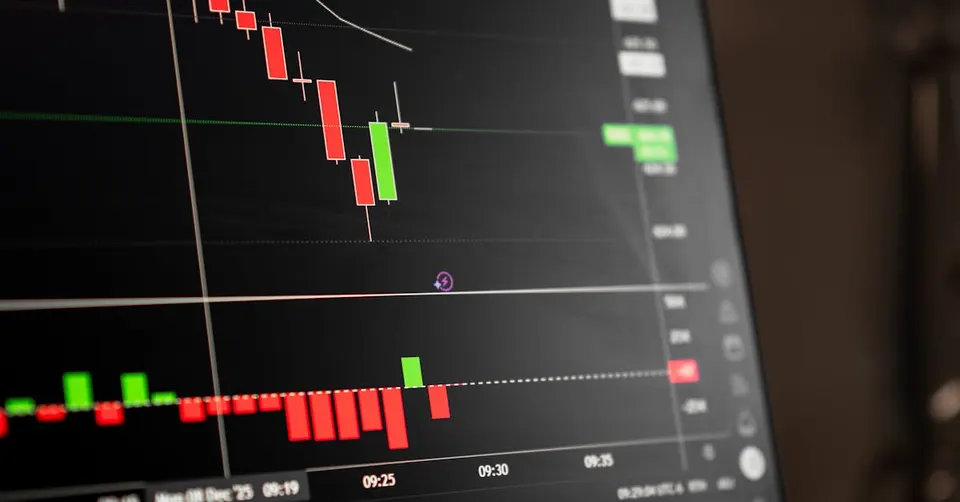
For investors, the immediate reaction was a flight from risk. Bitcoin, which had been flirting with the $80,500 level, saw a sharp reversal, dropping back toward $78,882 as traders processed the possibility of a direct kinetic exchange between Washington and Tehran. In the Iranian domestic market, the reaction was more nuanced; while the USD sell rate edged down slightly to 188,900 Toman (-0.1%), the Emami coin rose to 207,500,000 Toman (+0.7%), suggesting that local buyers are seeking the safety of physical gold coins amid the escalating rhetoric. The volatility underscores how sensitive the modern global economy remains to the narrow 21-mile-wide chasm of the Strait.

Project Freedom vs. Tehran’s Maritime Red Lines
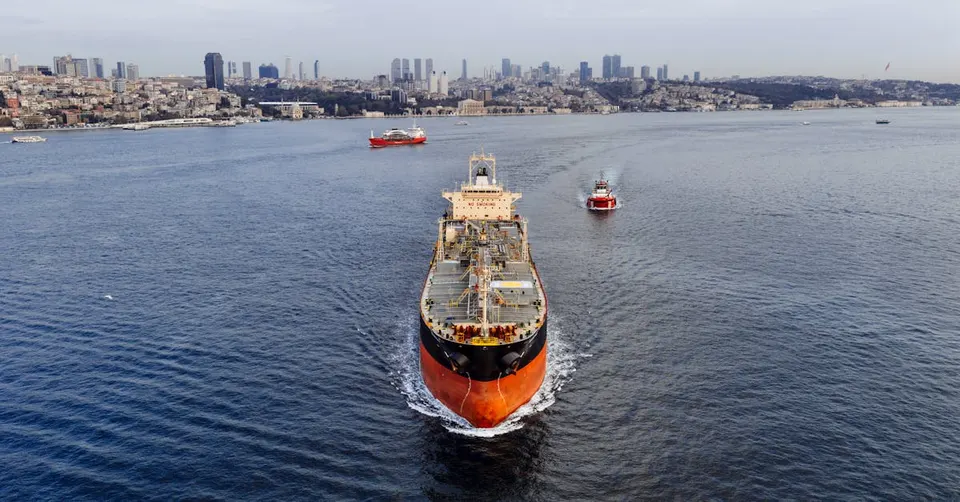
As the military posturing intensifies, the diplomatic and logistical battle over shipping routes has entered a new phase. Donald Trump has officially branded the U.S. naval escort operation as "Project Freedom," framing it as a humanitarian effort to release hundreds of commercial ships currently trapped in the Gulf. According to the White House, the U.S. Navy will now actively "guide" vessels through a southern route of the Strait. This move has been met with fierce opposition from Tehran. Major General Ali Abdollahi, commander of the Khatam al-Anbiya headquarters, issued a stern warning that any foreign armed forces entering the waterway without coordination with Iranian forces would be viewed as a direct provocation and attacked.
Despite the heated threats, there are signs of selective movement. Over the weekend, the MT Sarv Shakti, an LPG tanker chartered by the Indian Oil Corporation, became the first India-bound vessel to clear the Strait since the U.S. blockade began. This suggests that while Iran is threatening a total blockade against those following the Trump administration's mandates, it is still allowing specific cargoes—particularly those destined for major Asian partners like India—to pass. This "selective blockade" strategy allows Tehran to maintain economic pressure on the West while avoiding a total diplomatic break with its remaining eastern allies.
Economic Realities: Stagflation and the Iranian Hedge
Beyond the immediate threat of missiles, the global economy is beginning to signal deeper structural problems. A recent report from Citi’s quantitative analysts suggests that markets are in the early stages of pricing in "stagflation"—a toxic mix of stagnant growth and high inflation. This is particularly evident in the UK, where food prices are on track to rise by 50% since the start of the cost-of-living crisis in 2021. For the Iranian reader, this global trend mirrors domestic struggles, but with higher stakes. The slight decline in 18k gold to 20,888,083 Toman (-0.5%) reflects a temporary cooling, but the overall trend remains bullish as global gold prices hold firm at $4,563.40 per ounce.
In the tech and corporate world, even titans like Elon Musk are feeling the pressure of an uncertain future. Filings show Musk sought a settlement with OpenAI before an upcoming trial in Oakland, indicating a desire to clear legal hurdles as the AI arms race becomes increasingly entangled with national security and geopolitical alignments. As the day progresses, the focus remains on whether "Project Freedom" will lead to a breakthrough for trapped shipping or a breakdown in regional stability. For now, the Iranian market remains in a state of watchful waiting, with the currency holding steady even as the drums of war beat louder.
Frequently Asked Questions
Did an Iranian missile actually hit a U.S. warship?
What is 'Project Freedom' mentioned by Donald Trump?
Why is the price of Emami Coin rising while the USD is stable?
How did Bitcoin react to the news from the Strait of Hormuz?
The Strategic Vulnerability of Maritime Chokepoints: The Strait of Hormuz
At the heart of global trade and energy security lies the critical concept of a maritime chokepoint. These are narrow sea channels that concentrate shipping traffic, making them essential arteries for international commerce but also highly vulnerable to disruption. Their strategic significance stems from the immense volume of goods, particularly energy resources, that must pass through them. Among these vital passages, the Strait of Hormuz stands out as arguably the most important and politically sensitive.
The Strait of Hormuz is a narrow waterway connecting the Persian Gulf to the Gulf of Oman and the Arabian Sea. Geographically, it is bordered by Iran to the north and Oman's Musandam Peninsula to the south. Its true significance, however, lies in the staggering volume of oil and liquefied natural gas (LNG) that transits its waters. An astonishing one-fifth to one-third of the world's total petroleum consumption, along with significant volumes of LNG, passes through this passage daily, making it indispensable for oil-producing nations in the Gulf and energy-importing nations worldwide.
The strategic importance of the Strait of Hormuz means that any disruption, perceived threat, or actual incident can send immediate ripples through global energy markets. Geopolitical tensions, such as those between the U.S. and Iran, or reports of missile activities, directly translate into what the keywords describe as "market jitters" and "global oil price spikes." Blockage or even the credible threat of a blockage can force tankers to take longer, more expensive routes, drive up insurance premiums, and create severe supply shocks, impacting everything from fuel prices at the pump to the stability of national currencies like the USD/IRR.
Understanding the concept of maritime chokepoints, especially the Strait of Hormuz, is crucial for comprehending international relations, energy economics, and the inherent fragility of global supply chains. It highlights why events in seemingly distant regions can have immediate, tangible impacts on everyday life and markets worldwide, underscoring the interconnectedness of global security and economic stability.