Hormuz Standoff: Trump Orders Naval Escorts as Iran Claims Strike; Gold Surges Amid Regional Chaos
تنش در هرمز؛ دستور ترامپ برای اسکورت نظامی و ادعای حمله موشکی ایران؛ جهش قیمت طلا در بازار تهران
A volatile hour in the Middle East as President Trump announces US Navy escorts for ships in the Strait of Hormuz, while Iranian media reports a missile strike on a US vessel. Gold prices in Tehran have jumped 0.8% as markets react to the threat of direct military confrontation.
At time of publishing
USD
189,300
Toman
Gold 18K
21.16M
Toman / gram
Bitcoin
$78,954
US Dollar
Tether
18,919.9
Toman
The Hormuz Brinkmanship: Naval Escorts and Missile Claims
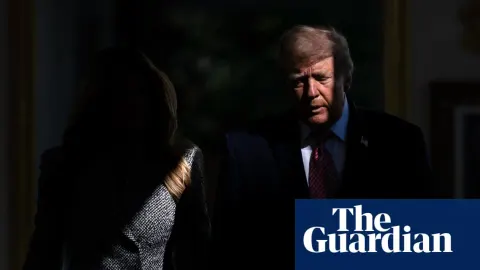
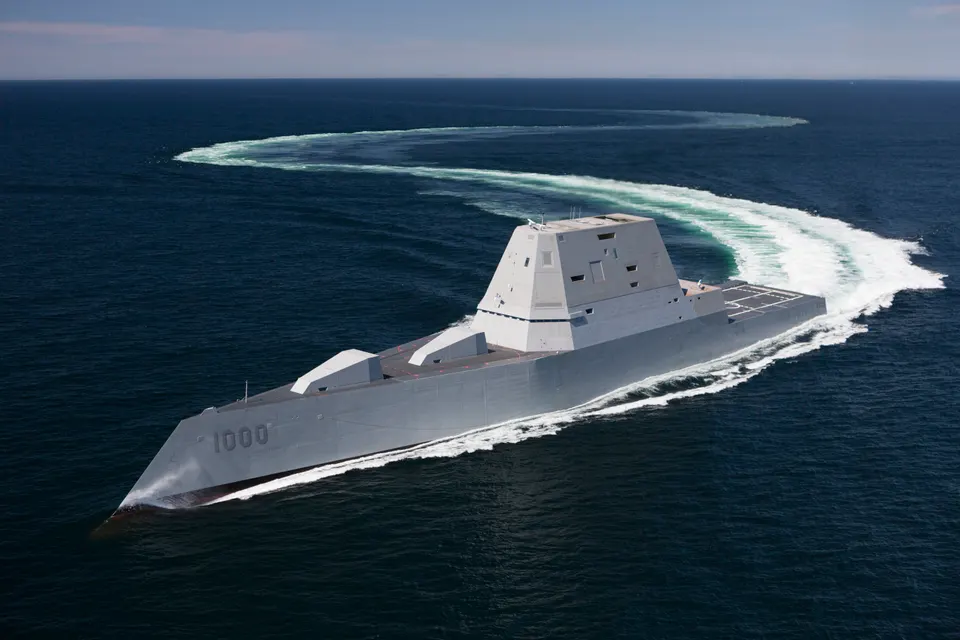
The geopolitical landscape shifted violently this hour as President Donald Trump announced that the US Navy would begin to "guide" and escort commercial vessels trapped in the Persian Gulf through the Strait of Hormuz. This move, framed as part of a broader "Project Freedom" strategy, was met with immediate and fierce rhetoric from Tehran. The Iranian military’s unified command issued a stark warning, stating that any foreign armed forces entering the strait would be viewed as legitimate targets and attacked. This is no longer a war of words; it has become a direct tactical standoff at the world's most critical energy chokepoint.
Reports from semi-official Iranian news agencies have further escalated the panic, claiming that two missiles struck a US Navy vessel near Jask Island, just outside the eastern entrance to the Strait. While the Pentagon has yet to confirm a direct hit, the mere report sent shockwaves through global energy markets. Brent crude for July delivery surged 2.82% to $111.12 per barrel, while WTI crude jumped to $104. For Iranian traders, this escalation has translated into immediate domestic price action, with Gold 18k rising from 20,992,428 to 21,164,642 Toman (+0.8%) in just 24 hours.
Europe’s Dilemma: The EPC Summit in Armenia
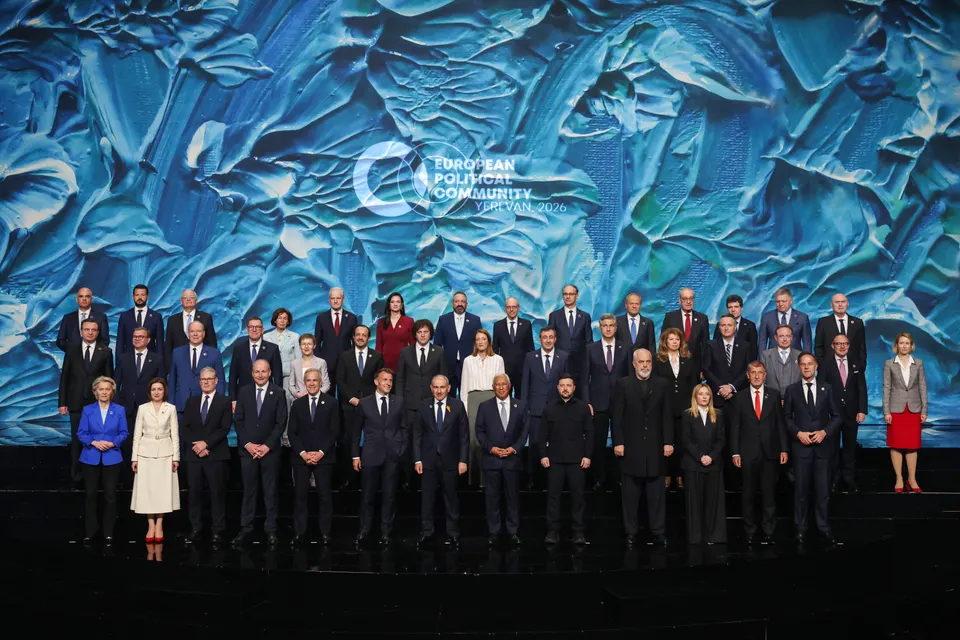
While the Gulf teeters on the edge of conflict, nearly 50 world leaders have gathered in Armenia for the European Political Community (EPC) summit. The atmosphere is one of profound anxiety as European leaders, including UK Prime Minister Keir Starmer, face the reality of a shifting American foreign policy. Starmer acknowledged high "tensions" between Europe and the Trump administration, particularly regarding the twin crises in Ukraine and the Middle East. Europe finds itself in a precarious position, attempting to secure its own energy and security interests while the US moves toward a more unilateral and confrontational stance against Tehran.
NATO Chief Mark Rutte noted that Europeans have "gotten the message" from Trump regarding defense spending and regional responsibility. This comes as Washington announced the withdrawal of 5,000 troops from Germany, a move that signals a pivot toward the Indo-Pacific and the Middle East. For Iran, this European fracturing is a double-edged sword; while it may weaken the unified sanctions front, it also removes the traditional "moderating" influence of Brussels and London on Washington’s military decisions. The summit in Armenia is being viewed as a "gateway" to a new, more fragmented diplomatic order where middle powers must fend for themselves.
The Lonely Keepers: Sudan’s Pyramids Amidst Global War
In a poignant contrast to the high-tech naval warfare in the Gulf, the ancient burial site of Bajrawiya in Sudan remains a silent witness to the cyclical nature of human conflict. The 140 pyramids of the Kingdom of Kush, some dating back 2,400 years, are currently being guarded by a handful of loyal groundskeepers who refuse to leave despite the ongoing war between the Sudanese army and the RSF. These pyramids have survived 19th-century treasure hunters and centuries of erosion, yet they now face the threat of modern artillery and neglect.
The story of the Bajrawiya keepers serves as a somber reminder for the Middle East. As the region focuses on missile trajectories and currency fluctuations, the cultural and historical foundations of these civilizations remain at risk. In Sudan, as in the current US-Iran standoff, the long-term cost of conflict often exceeds the immediate economic impact, leading to the irreversible loss of heritage. For the international community, the struggle to protect these sites mirrors the struggle to maintain order in the Strait of Hormuz—both require a level of cooperation that currently seems out of reach.
Domestic Crackdown and Market Volatility
Inside Iran, the government is signaling a zero-tolerance policy for internal dissent during this period of external threat. Authorities announced the execution of three men today in relation to the anti-regime protests that took place in January. Human rights activists suggest these hangings are a calculated move to instill fear and ensure domestic stability while the military prepares for potential engagement with the US Navy. This internal pressure is creating a "siege mentality" that is reflected in the local markets, where the flight to safety is accelerating.
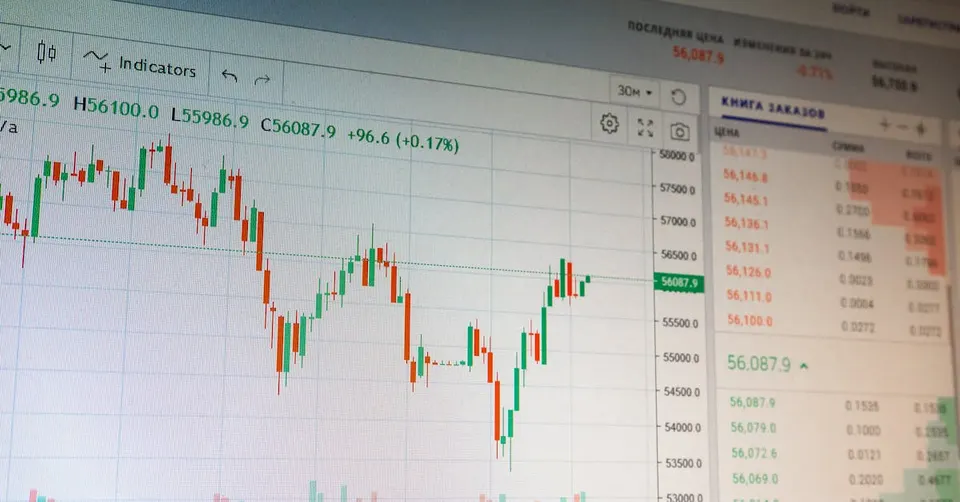
In the currency and coin markets, the Iranian Toman remains under significant pressure. The USD sell rate moved from 189,100 to 189,300 (+0.1%), but the real movement is in the coin market. Emami coins rose from 206,000,000 to 207,000,000 Toman (+0.5%), reflecting a lack of confidence in paper currency. Bitcoin, which briefly touched the $80,000 psychological barrier, reversed sharply following the reports of the Hormuz missile strike, currently trading at $78,954. Investors are clearly deleveraging, moving out of risk assets like crypto and into hard assets like gold as the threat of a wider regional war becomes the dominant market driver.
Watch
The loyal, lonely keepers of Sudan's pyramids • FRANCE 24 English
FRANCE 24 English
Frequently Asked Questions
Why did Bitcoin reverse after touching $80,000?
What is Trump's 'Project Freedom' in the Strait of Hormuz?
How has the Tehran gold market reacted to the naval standoff?
What is the significance of the EPC summit in Armenia for Iran?
Understanding Safe-Haven Assets Amid Geopolitical Turmoil
In times of escalating geopolitical tension and economic uncertainty, investors often flock to what are known as safe-haven assets. These are investments that are expected to retain or even increase in value during periods of market turbulence, providing a refuge from the volatility that plagues riskier assets like stocks. The recent surge in gold prices amid the Strait of Hormuz standoff perfectly illustrates this phenomenon. When the specter of conflict looms, the demand for stability drives capital towards these perceived havens.
Gold stands out as the quintessential safe-haven asset. Its appeal is rooted in millennia of human history, where it has consistently served as a store of value, independent of any single government's fiscal policy or the performance of a particular company. Unlike fiat currencies, gold cannot be printed at will, and its limited supply and tangible nature lend it an intrinsic value that tends to hold up when trust in financial institutions or political stability wanes. This makes it particularly attractive during crises like regional standoffs or fears of broader economic downturns.
Beyond gold, other assets can also function as safe havens, depending on the specific nature of the crisis. Certain strong national currencies, such as the U.S. dollar or the Japanese Yen, or highly rated government bonds (like U.S. Treasuries or German Bunds) are often sought after for their perceived reliability and liquidity. However, their safe-haven status can be more context-dependent, as their value can still be influenced by interest rate policies or national debt concerns.
Finally, the impact of geopolitical events extends beyond traditional safe havens to critical commodities. The Strait of Hormuz, a vital chokepoint for global oil transit, highlights this. Any threat to shipping in this region immediately raises fears of supply disruptions, leading to a spike in oil prices. This is not necessarily a safe-haven effect, but rather a direct market reaction to potential supply shocks, demonstrating how instability can ripple through various sectors of the global economy, making understanding these interconnected dynamics crucial for any informed observer.
Topics
Related Articles