Rubio Heads to Rome Amidst Trump-Pope Feud; Oil Surges Past $110 on Iran Tensions
روبیو در بحبوحه اختلاف ترامپ و پاپ عازم رم شد؛ نفت در پی تنشهای ایران از ۱۱۰ دلار گذشت
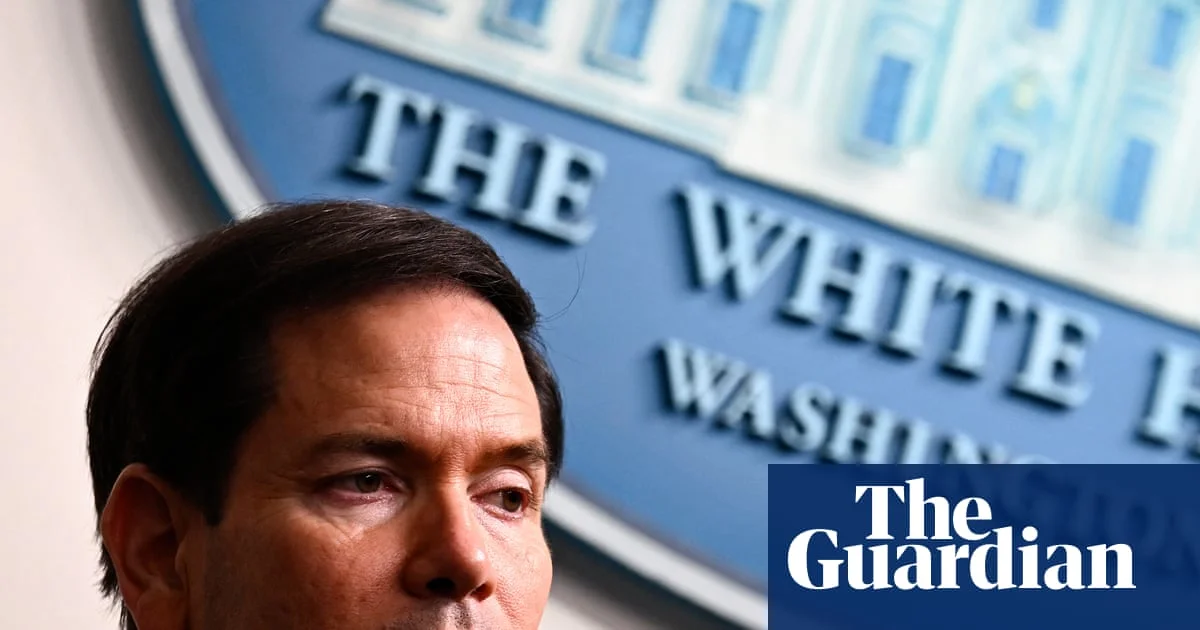
US Secretary of State Marco Rubio is set to visit Rome, aiming to mend diplomatic ties strained by President Trump's recent public spats with Pope Leo XIV and Italian Prime Minister Giorgia Meloni. Meanwhile, global oil prices have surged past $110 a barrel, fueled by escalating tensions in the Strait of Hormuz and a disputed report of a strike on a U.S. Navy ship.
At time of publishing
USD
189,300
Toman
Gold 18K
21.27M
Toman / gram
Bitcoin
$79,320
US Dollar
Tether
18,903.4
Toman
Rubio Treads Diplomatic Tightrope in Rome
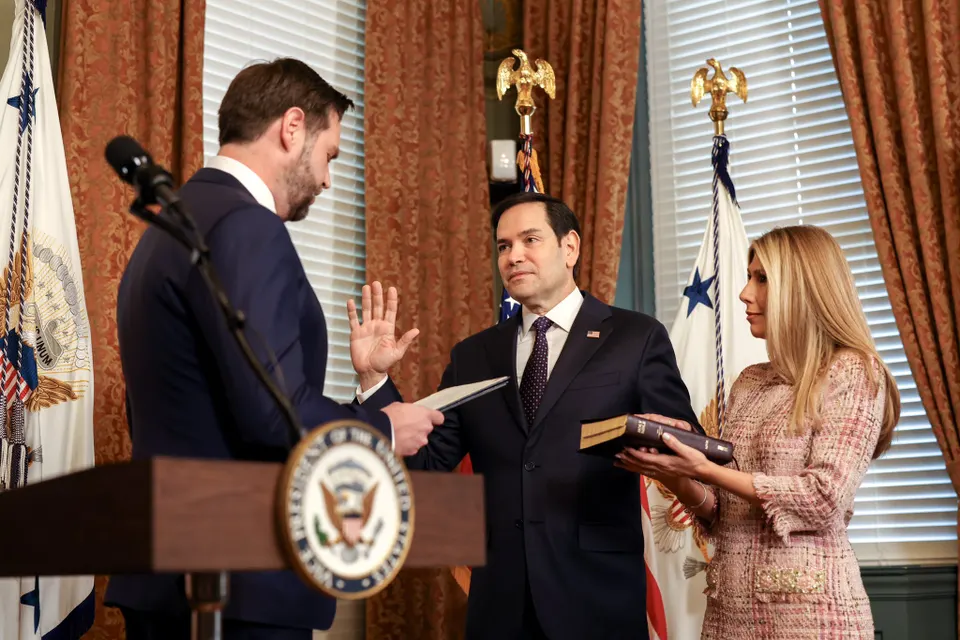
US Secretary of State Marco Rubio is embarking on a crucial visit to Rome this week, a trip overshadowed by President Donald Trump's recent public criticisms of Pope Leo XIV and Italian Prime Minister Giorgia Meloni. Rubio's itinerary includes a meeting with the Pope, intended to smooth over the diplomatic friction caused by Trump's strong words. The situation was further complicated when Meloni defended the pontiff, leading to further exchanges with the former US president. This diplomatic maneuvering highlights the delicate balance the US seeks to maintain with key European allies and religious leaders, particularly as global events demand unified international responses.
This visit is more than just a courtesy call; it's an effort to repair fraying relationships. The Trump administration's aggressive rhetoric towards both the Vatican and Italy's leadership risks alienating key partners at a time of heightened geopolitical instability. Rubio's role is to project an image of renewed diplomatic engagement and to reassure allies that the US values its long-standing partnerships. The implications extend beyond bilateral relations, potentially impacting broader international coalitions on issues ranging from economic policy to security alliances, especially as global markets remain sensitive to any perceived rifts among Western powers.
---
Oil Prices Spike Amid Iran Tensions and Disputed Strike Report
Global oil prices have reacted sharply, surging past the $110 per barrel mark. This upward movement is largely attributed to escalating tensions in the Strait of Hormuz and a disputed report alleging a strike on a U.S. Navy vessel. The volatility in crude prices underscores the market's sensitivity to any disruption in the vital shipping lane, which is crucial for global energy supply. Traders are closely watching developments, as any sustained conflict or blockade in the region could have significant ramifications for energy security and economic stability worldwide.
The market's reaction demonstrates how geopolitical flashpoints can directly impact commodity prices. The Strait of Hormuz is a critical chokepoint for oil transportation, and any threat to its free flow sends ripples through the global economy. Furthermore, the uncertainty generated by conflicting reports about an attack adds another layer of risk premium to oil prices. This situation is particularly relevant for countries heavily reliant on oil imports, potentially leading to higher fuel costs for consumers and businesses, and impacting inflation expectations and overall economic growth.
---
Pakistan Continues Mediating Role in Iran-US Disputes
Pakistan has once again stepped into a mediating role, announcing it assisted in the transfer of Iranian crew members from the MV Touska cargo ship back to Iran. U.S. officials confirmed the crew's return, describing it as a 'confidence-building measure' between Washington and Tehran. This action by Pakistan highlights its continued efforts to facilitate communication and de-escalate tensions between the two nations, even amidst broader regional instability. Such interventions are critical in preventing misunderstandings from escalating into more serious confrontations.
The involvement of Pakistan in facilitating the return of the Iranian crew is significant. It signals a willingness from both the US and Iran to engage in small, yet important, gestures that can help maintain channels of communication. In the current climate of heightened tensions, particularly around the Strait of Hormuz, these 'confidence-building measures' are vital. They offer a glimmer of hope for diplomatic progress and can help prevent minor incidents from spiraling out of control, thereby contributing to regional stability and potentially easing pressure on global energy markets.
---
US Economy's Resilience Amidst Global Headwinds
The U.S. economy continues to display remarkable resilience, defying a series of global challenges including high tariffs, stubborn inflation, and rising oil prices, all exacerbated by geopolitical tensions involving Iran. Despite these headwinds, the economic indicators have remained surprisingly robust, leading some analysts to describe it as 'unsinkable.' This sustained performance is a subject of intense scrutiny as policymakers and economists try to understand the underlying drivers of this strength and its sustainability in the face of ongoing global uncertainties.
This economic tenacity has significant implications for global financial markets and policy decisions. A strong U.S. economy can absorb some of the shocks from international crises, but it also influences global demand and trade patterns. The continued strength, even with rising oil prices and inflation concerns, suggests underlying domestic factors are playing a crucial role. However, the persistent inflation and geopolitical risks, particularly those emanating from Iran, remain key variables that could eventually test this resilience. Policymakers are thus in a delicate balancing act, trying to manage domestic economic stability without exacerbating international tensions or fueling further price increases.
Frequently Asked Questions
What is the significance of Marco Rubio's visit to Rome?
Why have oil prices surged past $110 a barrel?
What role is Pakistan playing in Iran-US relations?
How is the US economy demonstrating resilience?
The Strategic Chokepoint: Why the Strait of Hormuz Drives Oil Prices
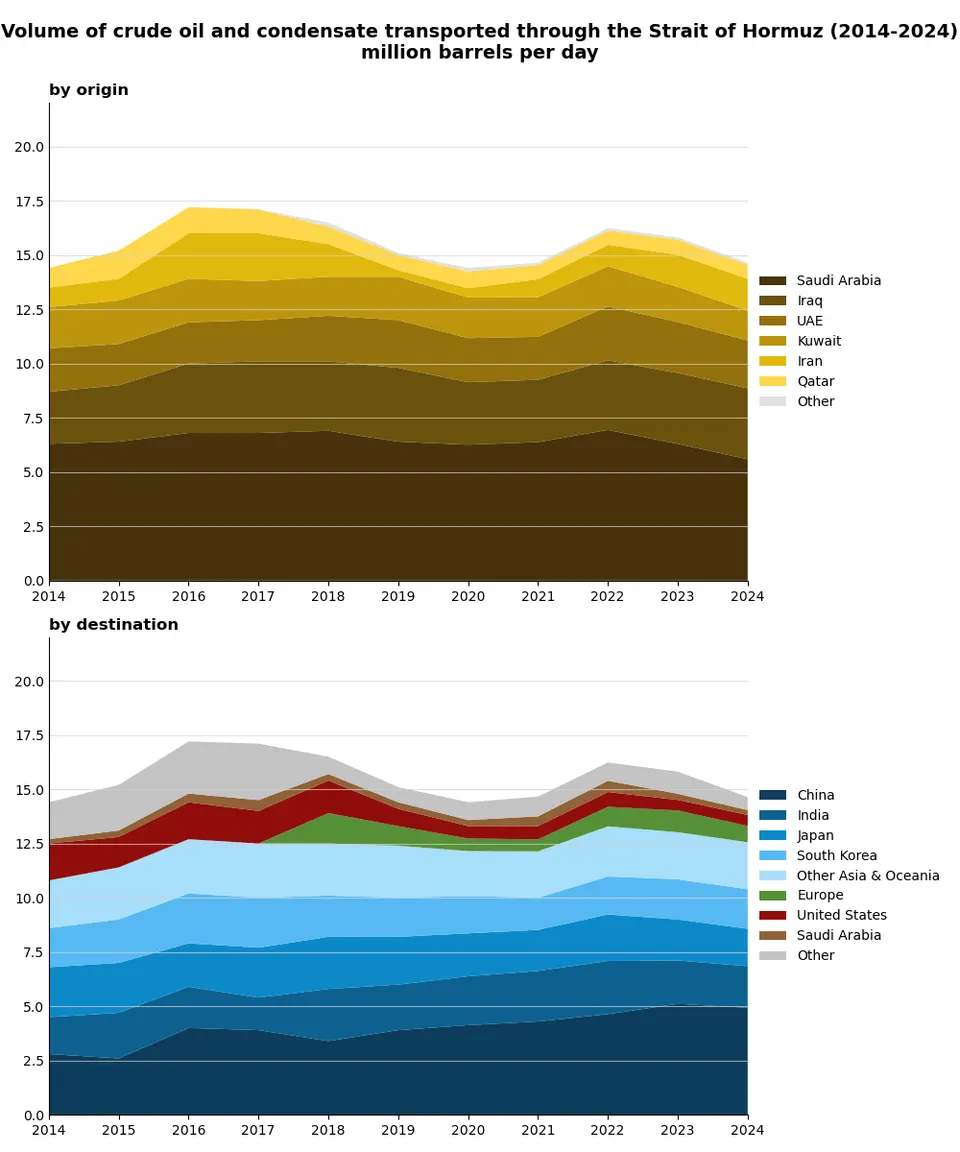
The Strait of Hormuz is a narrow waterway that links the Persian Gulf with the Gulf of Oman and the open ocean. At its narrowest point it is only about 21 nautical miles wide, making it one of the world’s most critical maritime chokepoints. Roughly one‑fifth of the world’s petroleum—about 20 % of global oil consumption—passes through this corridor each day, giving the strait outsized influence over energy markets.
Because the majority of the world’s oil exporters are located in the Gulf region (Saudi Arabia, Iran, Iraq, Kuwait, and the United Arab Emirates), any disruption in Hormuz can instantly tighten global supply. The United States Energy Information Administration estimates that the strait carries around 21 million barrels of oil per day, a volume that rivals the combined output of several major oil‑producing nations.
The strait’s strategic importance has made it a flashpoint for geopolitical tension. In 1988, during the Iran–Iraq War, Iran mined the waters and attacked U.S. warships, prompting a massive naval response. More recently, Iran has threatened to close the strait in retaliation for sanctions, while the U.S. Navy routinely conducts freedom‑of‑navigation operations to reassure commercial traffic. These brinkmanship episodes create market uncertainty, prompting traders to price in a risk premium.
When the risk of a closure spikes, oil futures react sharply. In early 2024, heightened rhetoric between Tehran and Washington pushed the price of Brent crude above $110 a barrel, a level not seen since 2022. Analysts noted that even the perception of a possible disruption in Hormuz can trigger a “risk‑off” rally, as investors scramble to secure physical oil and hedge against supply shocks. Understanding the strait’s role helps explain why political headlines in Rome or Washington can move global oil prices.
Topics
Related Articles