Musk's 'WWIII' Echoes in OpenAI Trial; Iran Warns Ships in Hormuz
تهدید «جنگ جهانی سوم» ماسک در دادگاه اوپنایآی؛ ایران به کشتیها در تنگه هرمز هشدار داد
Elon Musk's past 'World War III' comments resurface in an OpenAI trial, adding a layer of controversy to the tech giant's legal battles. Meanwhile, Iran issues a stern warning to shipping vessels, threatening action against any ships attempting to traverse the Strait of Hormuz without its consent, escalating regional tensions.
At time of publishing
USD
192,900
Toman
Gold 18K
21.17M
Toman / gram
Bitcoin
$79,717
US Dollar
Tether
18,970.8
Toman
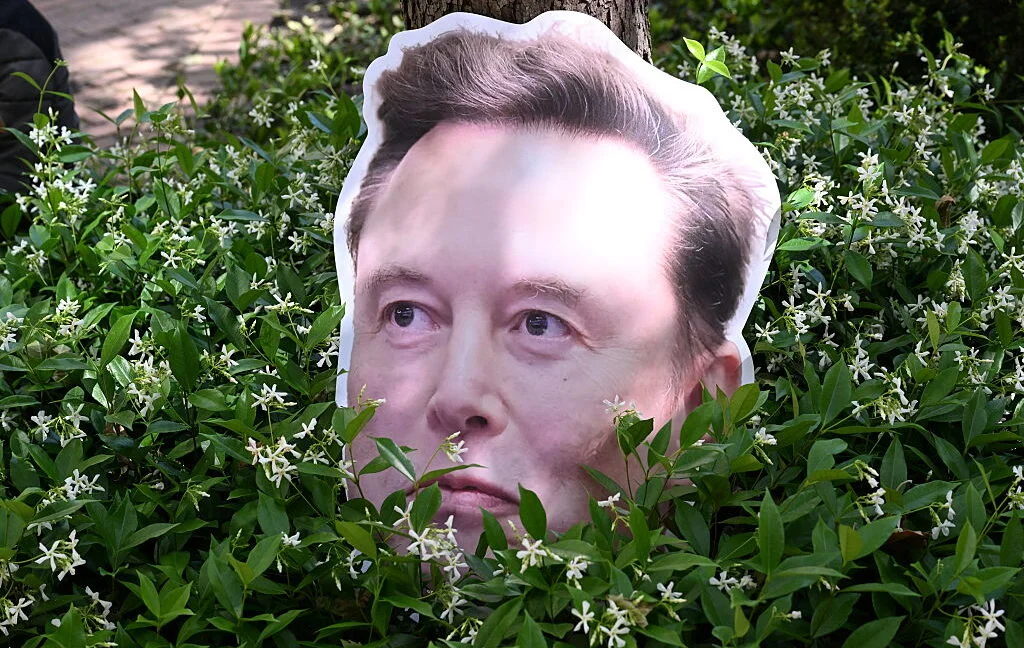
Musk's 'World War III' Remark Surfaces in OpenAI Trial
Elon Musk's past controversial statements, including a tweet about "World War III" made in response to geopolitical tensions, are now haunting him as they have been brought up in the ongoing legal battle between him and OpenAI. The artificial intelligence company accuses Musk of attempting to "coerce" a settlement just days before the trial commenced, suggesting his past pronouncements are being used as leverage or to paint a picture of his erratic behavior. This development adds a significant layer of personal drama to the high-stakes corporate dispute, potentially influencing jury perception and the overall narrative of the case.
Why this matters for Iran and its markets is through the lens of global stability and investor confidence. Musk's past rhetoric, even if unrelated to current events, can amplify concerns about unpredictable geopolitical outcomes. For Iran, which is highly sensitive to international relations and potential sanctions, any instability or heightened rhetoric from major global figures can indirectly impact currency expectations and trade sentiment. While this specific trial is about AI and corporate governance, the association of such charged language with a prominent global figure can contribute to a general atmosphere of uncertainty that eventually filters down to emerging markets, including Iran's own economic outlook.

---
Iran Threatens Ships in Strait of Hormuz Amidst Trump's 'Project Freedom'
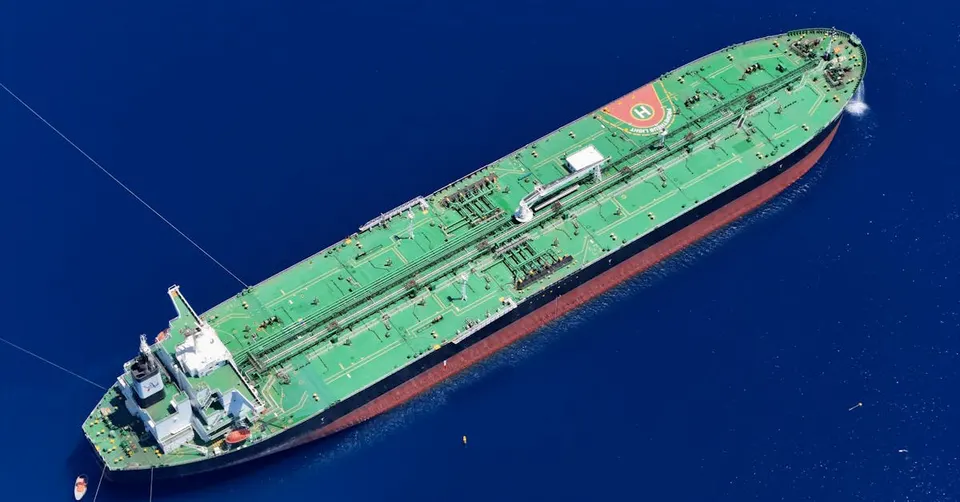
A senior Iranian military official has issued a stark warning, stating that any vessel attempting to navigate the Strait of Hormuz without Iran's explicit permission will be considered "at risk." This declaration comes in direct response to Donald Trump's recently announced initiative, dubbed "Project Freedom," which aims to ensure the safe passage of ships through the vital waterway. Trump stated that the U.S. Navy would "guide" ships out of the strait, framing it as a humanitarian gesture. However, Iran views this as a provocative move that challenges its sovereignty and control over a critical global oil chokepoint.
The Iranian threat underscores the heightened tensions in the Persian Gulf and the potential for direct confrontation. The Strait of Hormuz is crucial for global energy supplies, with a significant portion of the world's oil passing through it daily. Any disruption or conflict in this region could lead to severe spikes in oil prices, impacting global inflation and economic stability. For Iran, asserting its control over the strait is a matter of national security and leverage, especially in the context of international sanctions and geopolitical pressures. The escalation of rhetoric suggests that both sides are preparing for potential actions, making the situation volatile.
---
Australian Property Market Sees Investor Boom Despite Rate Hikes
In a surprising turn of events for its property market, Australia has witnessed investor borrowing rise at the fastest pace in a decade, even as interest rates have been increased. Data from the Reserve Bank of Australia reveals that while owner-occupier mortgage growth has slowed due to mounting costs, loans for property investors surged by $42 billion in the year leading up to March, marking a 9.6% increase. This trend suggests that despite higher borrowing costs and speculation about potential property tax changes, investors remain confident in the market's long-term prospects or are seeking alternative investment avenues.
This divergence between owner-occupier caution and investor aggression highlights a dynamic driven by potential capital gains and rental yields, which may be outweighing the increased cost of financing for investors. The continued influx of investor capital could further exacerbate housing affordability issues for first-time buyers and those looking to purchase homes for personal use. The Reserve Bank's findings indicate a resilient, albeit potentially imbalanced, property market that continues to attract significant capital, raising questions about its sustainability and future direction under continued monetary tightening.
---
AI's Reindustrialization of the American Heartland
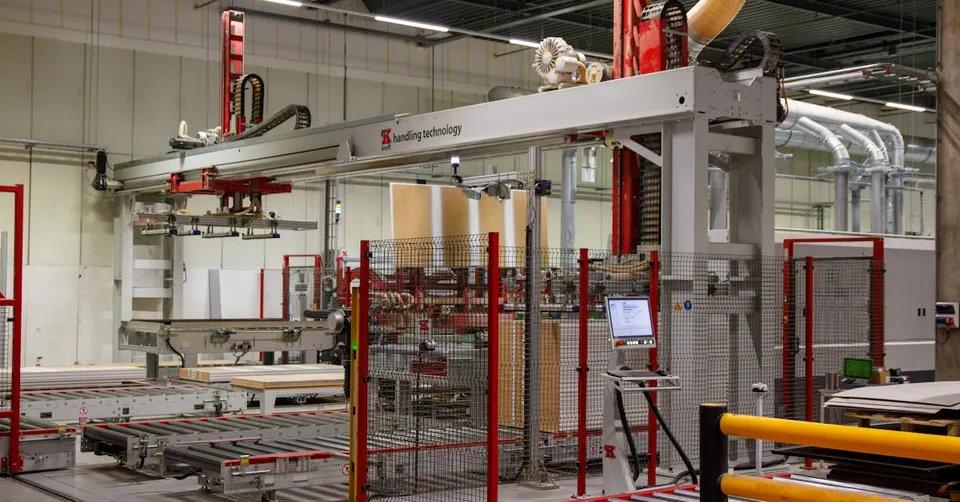
Artificial intelligence is no longer confined to Silicon Valley boardrooms and data centers; it is increasingly becoming a driving force behind the reindustrialization of the American interior. New technologies are enabling manufacturing processes that were once thought to be too costly or complex to bring back to the United States. AI-powered automation, advanced robotics, and sophisticated data analytics are creating opportunities for new factories and revitalizing existing ones in regions that have historically struggled with deindustrialization.
This trend has significant implications for the U.S. economy, potentially leading to job creation in new sectors, reshoring of manufacturing, and a more balanced regional economic development. By leveraging AI, American manufacturers can enhance productivity, improve quality control, and compete more effectively on a global scale. The narrative of the "heartland's revenge" suggests a significant shift in economic power and opportunity, moving away from traditional tech hubs towards areas that can adopt and integrate these advanced technologies into their industrial base.
---
Bitcoin Eyes $84K Amidst Market Speculation
Bitcoin has experienced a significant rally, pushing its price above the $80,000 mark for the first time since January. Analysts are now pointing to a potential short-term target of $84,000, citing a futures gap that needs to be filled. This upward movement, described by some traders as a "disbelief rally," indicates strong speculative interest and a potential shift in market sentiment, despite broader economic uncertainties. The cryptocurrency's recent performance suggests a robust demand that could continue to drive prices higher in the immediate future.
The potential rise to $84,000, if realized, would represent a new high for the year and could attract further investment. For Iranian markets, the performance of Bitcoin, especially when it shows significant volatility or upward momentum, can influence local cryptocurrency trading and serve as an indicator of global risk appetite. A strong Bitcoin performance can sometimes correlate with increased demand for alternative assets like gold, or it can draw capital away from traditional currencies, potentially impacting the USD/IRR exchange rate indirectly. The current upward trend in Bitcoin suggests a strong appetite for speculative assets globally.
Frequently Asked Questions
What is the significance of Iran's warning regarding the Strait of Hormuz?
How are Elon Musk's past 'World War III' comments relevant to the OpenAI trial?
Why is Australian property investor borrowing rising despite interest rate hikes?
What is the impact of AI on the American heartland?
What is the short-term price target for Bitcoin?
The Geopolitical Significance of Chokepoints
When news headlines mention regions like the Strait of Hormuz, they often allude to a critical concept in international relations and economics: geopolitical chokepoints. These are narrow, strategic channels or passages where maritime traffic, particularly the transport of vital resources like oil and natural gas, can be easily restricted or controlled. Their geographic configuration means that a significant portion of global trade must pass through them, making them highly vulnerable to disruption.
The Strait of Hormuz serves as a prime example. Located between the Persian Gulf and the Arabian Sea, it is the world's most important oil transit chokepoint. An estimated one-fifth of the world's total petroleum consumption and one-quarter of global liquefied natural gas (LNG) transits through this narrow waterway daily. Any threat or disruption in the Strait, whether due to political tensions, military incidents, or even natural disasters, can send shockwaves through global energy markets, leading to soaring prices and supply chain instabilities worldwide.
Understanding chokepoints is crucial because their vulnerability directly impacts global energy security and economic stability. Nations and corporations meticulously monitor these passages, as their closure or even the credible threat of closure can have immediate and severe economic and geopolitical consequences. Such events can trigger diplomatic crises, military buildups, and a scramble for alternative, often more expensive, supply routes.
Beyond the Strait of Hormuz, other vital chokepoints include the Suez Canal, the Panama Canal, and the Strait of Malacca. Each plays a pivotal role in global trade, connecting continents and facilitating the flow of goods. Their strategic importance means they are often focal points for international competition, security concerns, and diplomatic maneuvering, underscoring how geography can profoundly shape global power dynamics and economic fortunes.