Iran Tensions Escalate: US Warships Enter Hormuz, Oil Prices Surge
تنش در ایران تشدید شد: ناوهای آمریکایی وارد هرمز شدند، قیمت نفت افزایش یافت
New hostilities have erupted in the Strait of Hormuz, with the US launching 'Project Freedom' to break Iran's blockade and sending warships into the strategic waterway. Oil prices have reacted sharply, surging past $114 per barrel amid fears of a wider conflict that could disrupt global energy supplies.
At time of publishing
USD
181,500
Toman
Gold 18K
20.13M
Toman / gram
Bitcoin
$80,240
US Dollar
Tether
17,661.1
Toman
US Launches 'Project Freedom' in Strait of Hormuz Amidst Escalating Tensions
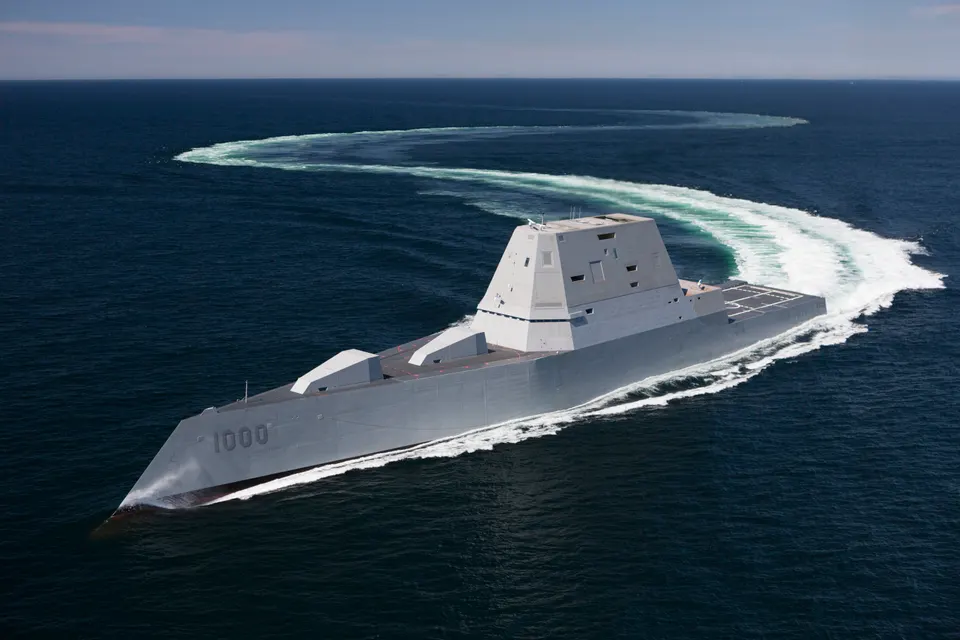
The situation in the Strait of Hormuz has dramatically escalated, with the United States announcing the launch of 'Project Freedom.' This operation, spearheaded by President Donald Trump, involves deploying US Navy warships to break Iran's effective blockade of the vital shipping lane. The move signifies a significant increase in stakes, as the US aims to escort trapped commercial vessels through the Gulf and reassert freedom of navigation. This initiative comes after a month-long period of uneasy calm, and its initiation marks a potential return to full-scale conflict in the region.
This intervention is directly linked to recent Iranian actions that have severely disrupted maritime traffic. Strikes in the UAE, Oman, and at sea, coinciding with reported clashes between American and Iranian vessels, have pushed a fragile ceasefire to the brink. The US claims to have intercepted drones, missiles, and small boats launched by Iran, while also facilitating the passage of US-flagged vessels. The narrative from the US is that 'Project Freedom' is a response to Iranian aggression and an effort to protect international shipping and global energy flows.
Oil Prices Skyrocket as Hormuz Tensions Reignite
Global oil prices have reacted with immediate and significant volatility to the renewed hostilities in the Strait of Hormuz. Brent crude surged past $114 per barrel, a sharp increase driven by fears that the escalation could lead to a sustained disruption of oil supplies flowing through this critical chokepoint. The United Arab Emirates (UAE) has also been drawn into the conflict, with reports of drone and missile attacks targeting its ports, further amplifying concerns about regional stability and the security of energy infrastructure.
This surge in oil prices has direct implications for the global economy, particularly for countries heavily reliant on imported energy. Consumers can expect to see higher gasoline prices at the pump, contributing to inflationary pressures. For nations already grappling with economic headwinds, the increased cost of oil could exacerbate existing challenges, potentially slowing growth and impacting trade balances. The market's reaction underscores the sensitivity of oil prices to geopolitical instability in the Middle East.
Iran's Stance and Market Impact
Iran, through statements from military commanders like Maj Gen Ali Abdollahi, has maintained a defiant stance, warning foreign forces against entering the Strait of Hormuz and vowing to defend its security. Tehran asserts its right to manage and secure the waterway, urging commercial ships to coordinate with its armed forces to ensure safety. This rhetoric highlights Iran's determination to leverage its strategic position in the Gulf and maintain control over maritime traffic, viewing it as a critical component of its regional influence and defense strategy.
For Iranian readers, these developments carry significant weight. The immediate impact is visible in the currency markets, with the US Dollar sell price at 181,500 Toman, showing a notable 4.0% decrease from its previous level. Gold prices have also seen a dip, with 18k gold per gram falling 4.1% to 20,130,199 Toman, and the Emami coin down 0.5% to 205,000,000 Toman. While these price movements might seem like a temporary reprieve, the escalating geopolitical tensions pose a constant threat to the Toman's stability and could reignite inflationary pressures and economic uncertainty. The ongoing standoff directly impacts trade routes, investor confidence, and the overall economic outlook for Iran and its trading partners.
EV Drivers See Savings Amidst Oil Price Volatility
While geopolitical events drive up oil prices, a separate market trend shows electric vehicle (EV) drivers benefiting from the current energy landscape. Reports indicate that EV owners are experiencing significant savings on fuel costs, especially as gasoline prices have topped $4 a gallon in some regions. This phenomenon is partly attributed to the slowdown in global oil supplies, exacerbated by the tensions in the Middle East, which has a direct impact on the cost of traditional fuels.
The increasing adoption of EVs, coupled with fluctuating fossil fuel prices, highlights a potential shift in consumer behavior and energy consumption patterns. As the cost of gasoline rises, the economic incentive to switch to electric alternatives becomes more pronounced. This trend could accelerate the transition to cleaner energy sources and reduce dependence on volatile global oil markets, offering a long-term benefit to consumers and contributing to broader environmental goals.
Frequently Asked Questions
What is 'Project Freedom'?
Why did oil prices surge?
How has the Iranian Toman reacted to the news?
What is the impact on gold prices in Iran?
Are EV drivers affected by the oil price increase?
Topics
Related Articles