Hormuz Blockade Threats Intensify as Russian Oil Reaches Japan; Bitcoin Reclaims $81,000
تهدید به انسداد تنگه هرمز همزمان با ورود نفت روسیه به ژاپن؛ بیتکوین به کانال ۸۱ هزار دلار بازگشت
Iran issues a stern warning to commercial shipping in the Strait of Hormuz while Russian oil makes a strategic return to Japan. Meanwhile, Bitcoin defies geopolitical volatility to surge back above $81,000.
At time of publishing
USD
180,900
Toman
Gold 18K
20.13M
Toman / gram
Bitcoin
$80,800
US Dollar
Tether
18,299.2
Toman
The Strait of Hormuz Standoff and Global Energy Shifts
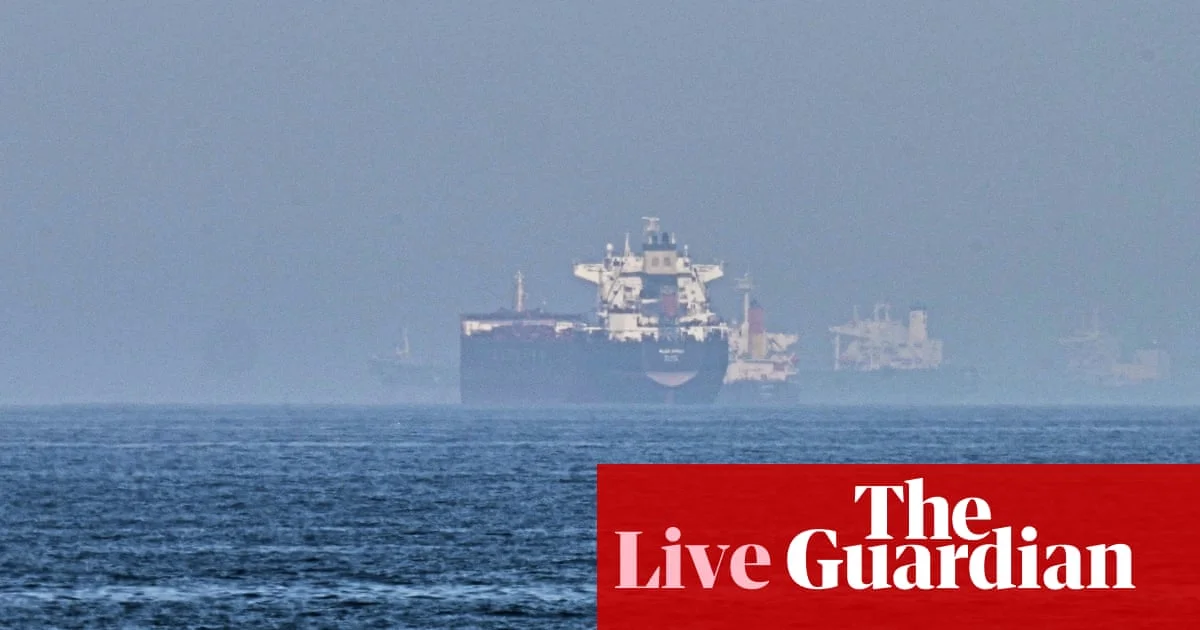
At 10:00 AM Tehran time, the geopolitical temperature in the Persian Gulf has reached a new high. Major General Ali Abdollahi, commander of Iran’s Khatam al-Anbiya headquarters, issued a definitive warning that any foreign armed forces entering the Strait of Hormuz without coordination would face immediate attack. This escalation follows reports that the U.S. Navy has been intercepting missiles and drones aimed at commercial vessels. More significantly, Abdollahi instructed all commercial tankers to refrain from transiting the strait without direct coordination with Iranian forces, effectively asserting a level of control over the world’s most vital energy artery that markets have long feared.
Amidst this naval friction, a surprising shift in global energy logistics has emerged: the first shipment of Russian crude oil has reportedly arrived in Japan since the onset of the current regional conflict. This move highlights a desperate search for supply stability as the traditional Middle Eastern routes become increasingly perilous. Chevron CEO Mike Wirth recently warned of emerging physical shortages in crude oil, noting that Asian economies would be the first to feel the squeeze. The arrival of Russian oil in Japan suggests that even traditional Western allies are being forced to recalibrate their energy dependencies to avoid a total economic standstill.
---
US-Iran Naval Friction and the Humanitarian Cost
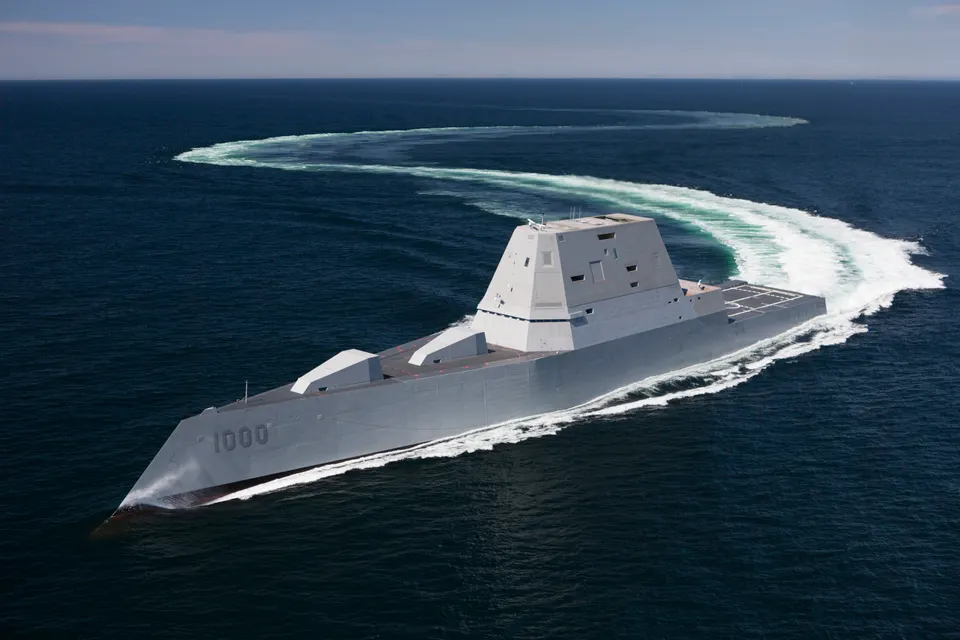
While the rhetoric remains focused on strategic blockades, the tactical reality on the water is turning deadly. Iranian commanders have accused the U.S. military of attacking passenger boats in the Strait of Hormuz, resulting in the deaths of five civilians. This contradicts U.S. claims of targeting IRGC-affiliated vessels. The United Arab Emirates has also pointed the finger at Iran for recent drone attacks, creating a multi-layered conflict that threatens to reignite a full-scale regional war. These incidents are not just military footnotes; they are the primary drivers of the current 'war premium' being priced into global commodities.
For the Iranian reader, this volatility is reflected directly in the domestic markets. While the USD/IRR rate showed a minor technical correction—moving from 181,000 to 180,900 (-0.1%)—the atmosphere remains one of extreme caution. The 'wait-and-see' approach by local traders is a direct response to the uncertainty in the Gulf. If the Strait of Hormuz remains a zone of active engagement, the logistical costs for all Iranian imports and exports will likely surge, further complicating the central bank's efforts to maintain currency stability in a high-inflation environment.
---
Bitcoin Defies the Chaos as Institutional Capital Flows
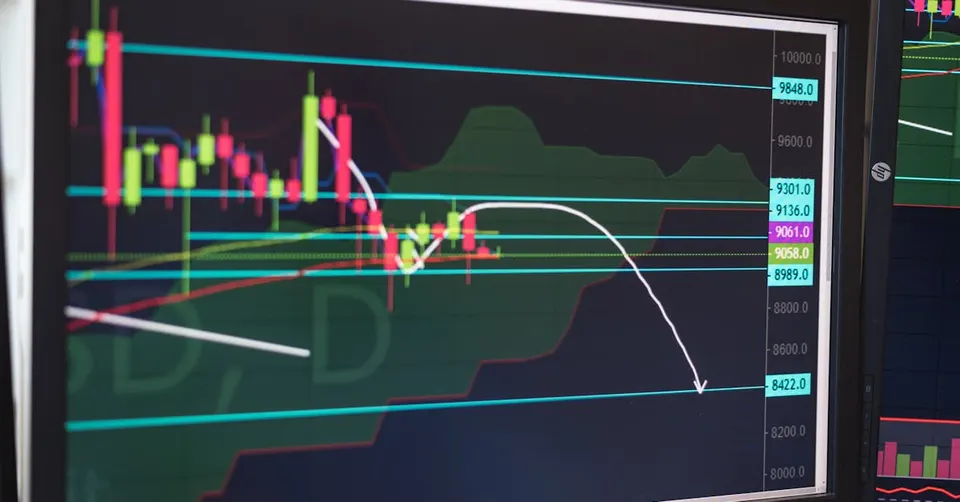
In the digital asset space, Bitcoin has shown remarkable resilience, reclaiming the $81,000 level after a brief dip caused by rumors of a missile strike earlier this week. Options markets are currently signaling a bullish breakout, with traders increasingly betting on further price jumps despite the geopolitical backdrop. This 'digital gold' narrative seems to be gaining traction again as investors look for assets that are decoupled from traditional banking systems and physical trade routes. Bitcoin rose to $80,800, while Tether (USDT) in the Iranian market is trading at a premium of 18,299 Toman, indicating a continued domestic demand for dollar-pegged assets.
Adding to the sector's momentum, Haun Ventures has successfully raised $1 billion to focus on the intersection of AI and crypto. Founder Katie Haun emphasized that as AI begins to conduct independent economic activity, the underlying financial infrastructure must be cryptographically secure and decentralized. This institutional confidence, combined with Ripple’s new initiatives to share threat intelligence regarding North Korean social engineering, suggests that the crypto industry is maturing. For Iranian investors, the steady performance of BTC and ETH (currently at $2,370.65) offers a volatile but liquid alternative to the stagnant local equity markets.
---
Geopolitical Realignment: Australia’s Pacific Push
Away from the Middle East, a different kind of chess game is being played in the Pacific. Australia is currently moving to secure a landmark security and economic pact with Fiji. This is a direct strategic response to China’s growing influence in the region, which recently undermined a similar agreement between Australia and Vanuatu. Foreign Minister Penny Wong’s visit to Fiji underscores the Albanese government’s commitment to 'locking in' regional partners before Beijing can offer more lucrative or enticing security alternatives.
This Pacific friction mirrors the global trend of fragmentation. Whether it is the U.S. in the Persian Gulf or Australia in the South Pacific, major powers are racing to secure trade routes and security buffers. For the global economy, this means the era of seamless globalization is being replaced by a 'fortress' mentality, where trade is dictated by security alliances rather than pure market efficiency. As Victoria’s budget in Australia shows a surplus but faces massive long-term debt, the fiscal cost of these geopolitical maneuvers is becoming a heavy burden for taxpayers worldwide.
Frequently Asked Questions
Why is the arrival of Russian oil in Japan significant?
What did General Abdollahi say about the Strait of Hormuz?
How is Bitcoin reacting to the Middle East conflict?
What is the current trend for the Iranian Toman?
The Strategic Importance of the Strait of Hormuz
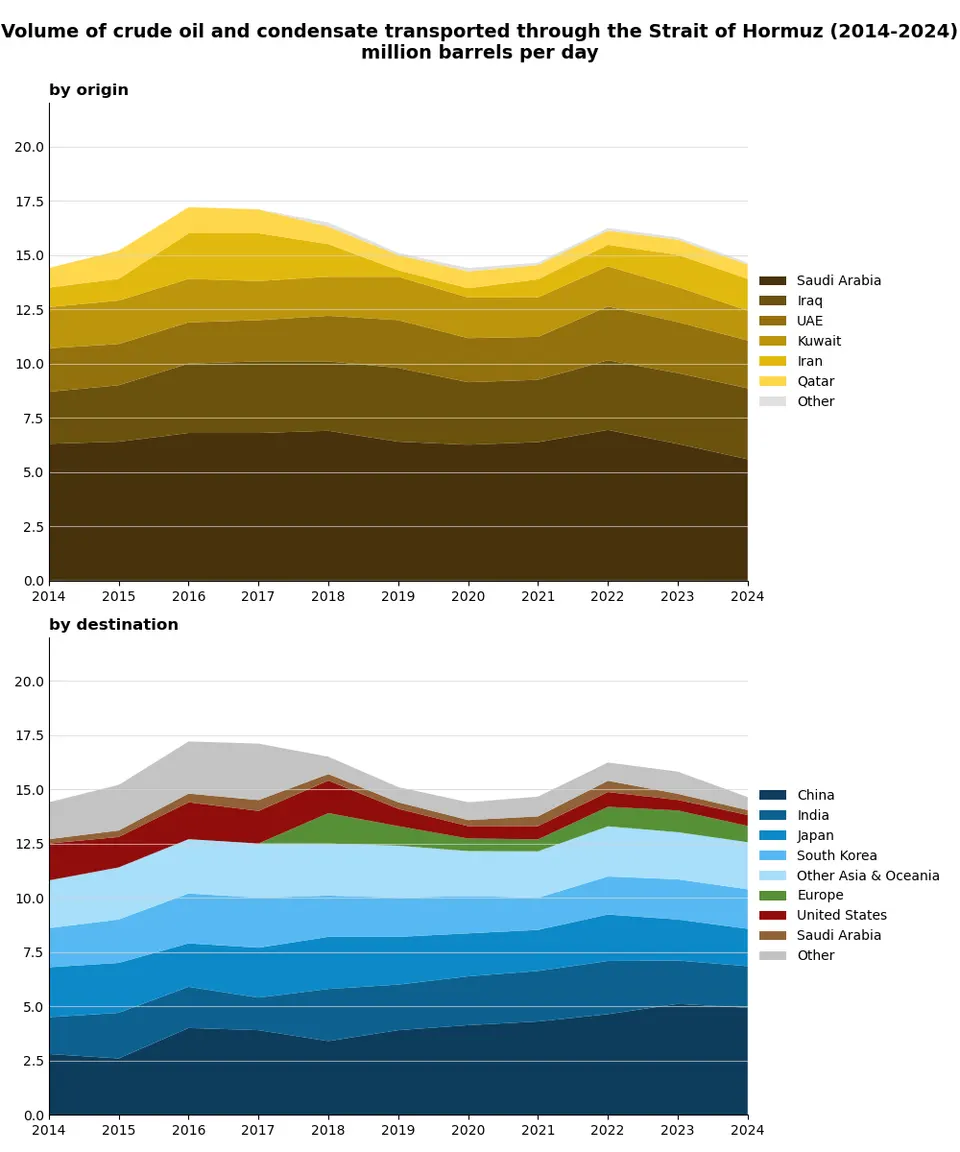
A strategic chokepoint is a narrow geographic passage whose control can dramatically influence global trade. The Strait of Hormuz, a 21‑mile-wide waterway between Oman and Iran, links the Persian Gulf with the Gulf of Oman and the open ocean. Roughly 20‑30% of the world’s petroleum—including a large share of Russian crude shipped to Asia—passes through this corridor each day, making it one of the most vital arteries for energy markets.
Because of its outsized role, the strait is a focal point of geopolitical tension. The United States maintains a constant naval presence to guarantee free navigation, while Iran has repeatedly threatened to close or mine the passage as leverage in regional disputes. Recent reports of a Hormuz blockade threat coinciding with Russian oil shipments to Japan illustrate how quickly a single flashpoint can ripple through global supply chains and trigger diplomatic confrontations.
Disruptions in the Hormuz corridor have immediate economic consequences. Even a brief closure can push crude prices up by several dollars per barrel, creating shortages for downstream refiners such as Chevron, which recently warned of supply constraints. Shippers may be forced to reroute vessels around the Cape of Good Hope, adding weeks to transit times and hundreds of millions of dollars in extra fuel costs. These logistical challenges also spill over into financial markets, where heightened oil volatility often fuels speculative buying of alternative assets like Bitcoin, whose price surged to $81,000 amid the latest tensions.
The Hormuz issue does not exist in isolation; it is part of a broader network of security arrangements in the Indo‑Pacific. For example, the newly announced Australia‑Fiji security pact reflects a growing awareness among allied nations that stability in one maritime chokepoint can affect security dynamics across the entire region. Understanding the strategic importance of the Strait of Hormuz therefore offers a window into how geography, politics, and economics intertwine in today’s interconnected world.
Topics
Related Articles