Global Rate Hikes Meet the 'Iran War' Reality: RBA's Warning and the AI Military Friction
هشدار بانک مرکزی استرالیا درباره «جنگ ایران» و شورش اخلاقی در غولهای هوش مصنوعی
As the Reserve Bank of Australia hikes rates citing Middle East instability, Google DeepMind workers revolt over military contracts, signaling a global economy bracing for a protracted 'Iran war' scenario.
At time of publishing
USD
180,900
Toman
Gold 18K
20.13M
Toman / gram
Bitcoin
$80,971
US Dollar
Tether
18,249.9
Toman
Market Open — Stability Amidst Global Tensions
The Tehran market opened this Tuesday with a cautious sense of stability, despite the swirling geopolitical headlines. The US Dollar (USD) saw a minor decline, moving from 181,000 to 180,900 Toman, a factual decrease of 0.1%. While the currency remains at historically elevated levels, the lack of a sharp spike this morning suggests that traders are currently in a 'wait-and-see' mode, digesting overnight news from the West and the Pacific.
Gold and coinage remained virtually unchanged over the last 24 hours. 18-karat gold held steady at 20,130,199 Toman per gram, while the Emami Coin maintained its position at 205,000,000 Toman. In the digital asset space, Bitcoin has shown resilience, reclaiming the $80,000 mark after a brief dip. This recovery in crypto suggests that global risk appetite hasn't completely evaporated, even as traditional central banks turn more hawkish in response to regional conflicts.
The RBA's 'Iran War' Warning and Global Inflation
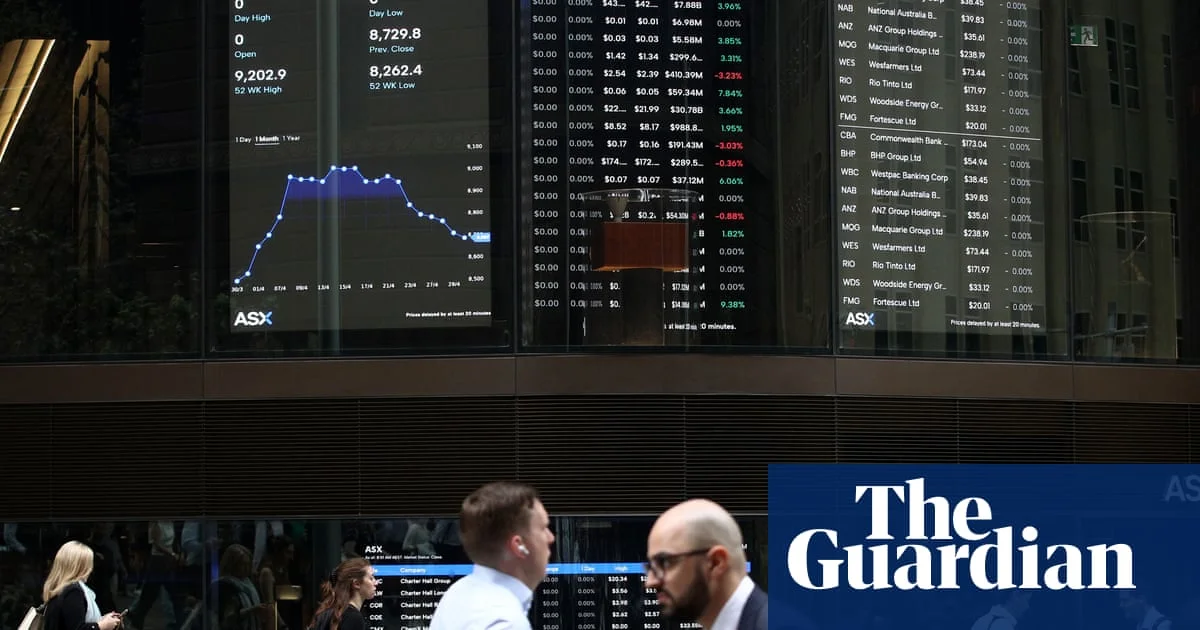
In a move that reverberated across global financial circles, the Reserve Bank of Australia (RBA) raised its official cash rate to 4.35% today. While a rate hike in Canberra might seem distant to a reader in Tehran, the rationale provided by Governor Michele Bullock is a stark reminder of how interconnected our world has become. The RBA explicitly cited the ongoing 'Iranian war' as a primary driver of inflationary pressures, particularly through the lens of soaring fuel prices and disrupted supply chains. This marks one of the first times a major Western central bank has formally integrated the current regional conflict into its core monetary policy justification.
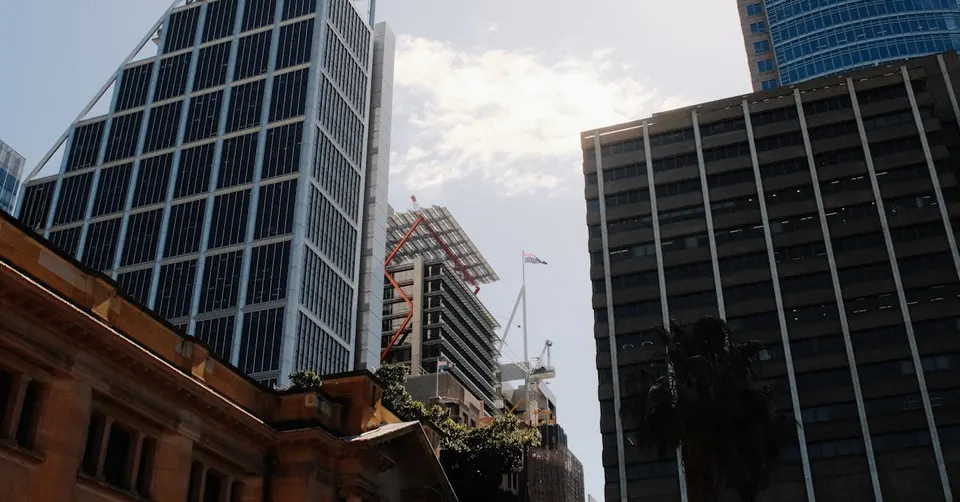
This decision is a heavy blow to mortgage holders in Australia, but its global significance lies in the 'gloomy' forecasts accompanying the move. The RBA warned that the economic fallout from the Middle East crisis is outstripping previous growth estimates. For Iranians, this translates to a persistent global inflationary environment. When central banks in the West hike rates to combat oil-driven inflation, it often leads to a stronger US Dollar globally, which in turn puts immense pressure on emerging market currencies and the Rial. The message is clear: the economic 'splash zone' of the regional conflict is expanding.
AI Ethics and the Military-Industrial Complex
While central banks manage the money, the tech world is grappling with a moral crisis. Workers at Google DeepMind in the UK have officially voted to unionize, a move driven by deep-seated concerns over the company's deepening ties with the US military. The catalyst for this revolt was a recently announced deal between Google and the Pentagon, which some employees believe compromises the ethical foundations of AI development. Workers specifically pointed to the 'Iran war' and the potential for AI tools to be used in kinetic operations as a 'red line' that has been crossed.

This isn't just a corporate dispute; it’s a battle for the soul of artificial intelligence. As the UK government rolls out facial recognition technology at an unprecedented pace—often outstripping existing safeguards—the potential for AI to be used in policing and warfare is becoming a lived reality. Critics argue that without clear boundaries, these technologies risk creating a permanent surveillance state. For the financial world, this internal friction at Google suggests that the 'tech-military' boom might face significant internal headwinds, potentially slowing down the deployment of dual-use technologies.
The Wealthy Exit and the Logistics of War
In a fascinating look at the 'business of luxury' during wartime, accounts from the concierge firm Quintessentially reveal a massive, 'ill-timed' hiring spree just before the conflict intensified. The firm, co-founded by Queen Camilla’s nephew, quadrupled its staff in the Middle East and Asia right as wealthy individuals began to flee the region. This serves as a cautionary tale for investors: even the most well-connected firms can fundamentally misread geopolitical timing. The resulting multimillion-pound losses highlight the 'material uncertainty' that now defines doing business in a region under the shadow of war.

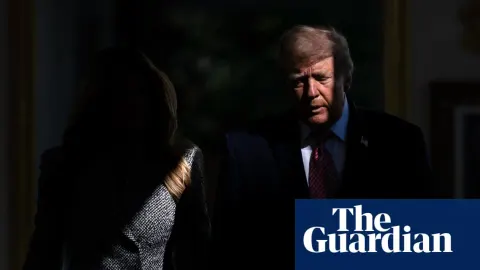
Beyond the luxury sector, the logistics of survival are taking center stage. As Donald Trump issues extreme threats regarding the Strait of Hormuz, regional players are scrambling for alternatives. Pakistan has notably opened six overland transit routes to Iran to bypass the maritime chokehold. This move aims to clear thousands of stranded containers and suggests that even as geopolitical rhetoric heats up, the practical necessity of trade is forcing new, permanent corridors to open. For the Iranian economy, these land routes represent a critical pressure valve as maritime risks continue to escalate.
Frequently Asked Questions
Why did the Reserve Bank of Australia mention Iran in its rate hike decision?
What is the significance of the Google DeepMind unionization?
How is the Tehran market reacting to these global geopolitical shifts?
How Economic Sanctions Shape Oil Trade, Exchange Rates, and Inflation
Economic sanctions are coercive tools used by countries or international bodies to pressure a target state by restricting its access to finance, technology, and markets. When applied to a major oil exporter like Iran, sanctions choke the flow of crude through key chokepoints such as the Strait of Hormuz, forcing traders to reroute shipments, use illicit channels, or accept steep discounts. The resulting supply‑side shock not only depresses global oil prices but also creates volatility in the currencies of sanctioned nations, as seen in the widening gap between the U.S. dollar and the Iranian rial (USD/IRR).
The ripple effects extend far beyond the oil market. With reduced export revenues, Iran’s government faces fiscal deficits that it often finances by printing money, fuelling domestic inflation. Simultaneously, partner economies—Pakistan, for example—must scramble to secure alternative energy supplies, reshaping regional trade routes and logistics networks. These adjustments can raise transportation costs, push up the price of imported goods, and feed into the broader global inflation trend that central banks, including the Reserve Bank of Australia, are grappling with in 2026.
Sanctions also interact with emerging technologies. Initiatives like Google DeepMind’s partnership with defense agencies raise ethical questions about AI‑driven targeting and decision‑making in conflict zones. While AI can improve precision, the lack of transparent oversight risks amplifying humanitarian harms, especially when sanctions already strain civilian populations. Understanding the economic and ethical dimensions of sanctions helps policymakers balance pressure tactics with the unintended consequences for global markets and human welfare.
For readers interested in deeper analysis, the International Monetary Fund (IMF) provides policy guidance on mitigating sanction‑induced inflation, while the World Bank tracks inflation dynamics across affected regions. Keeping an eye on how sanctions reshape oil logistics, exchange rates, and price stability is essential for anyone following the evolving geopolitical‑economic landscape.
Topics
Related Articles