HSBC Profits Slashed by Iran Conflict Charges as Hormuz Blockade Warnings Intensify
کاهش سود اچاسبیسی تحت تاثیر جنگ ایران؛ هشدار قالیباف درباره «معادله جدید» در تنگه هرمز
HSBC reports a $1.3 billion hit to profits linked to the Middle East conflict, while Iran's parliament speaker warns that the 'new equation' in the Strait of Hormuz is just beginning. Meanwhile, Bitcoin holds steady at $81,000 despite rising regional tensions and a 0.5% rise in the USD/IRR rate.
At time of publishing
USD
181,900
Toman
Gold 18K
20.03M
Toman / gram
Bitcoin
$81,034
US Dollar
Tether
18,284.5
Toman
HSBC and the Economic Cost of Conflict
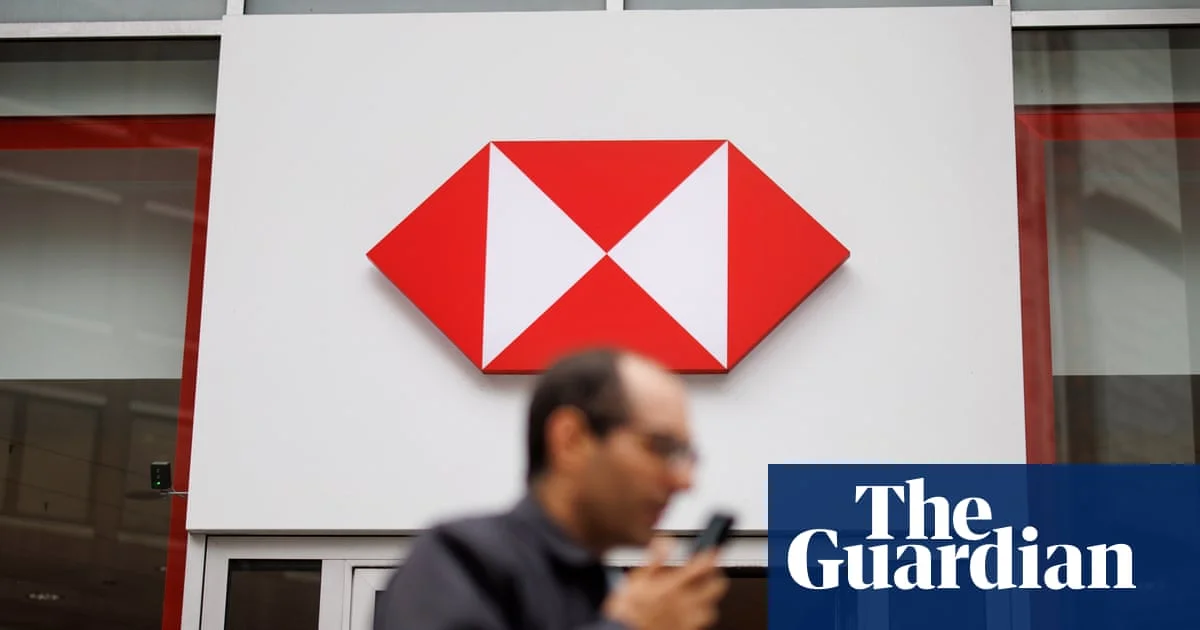
The London-headquartered banking giant HSBC has become one of the first major financial institutions to quantify the direct economic impact of the ongoing conflict involving Iran and the United States. In its latest quarterly report, the bank revealed a 4% drop in profits, falling to $9.4 billion. This decline was largely driven by a $1.3 billion hit, which includes a specific $300 million provision to cover anticipated losses stemming from the Middle East conflict and a $400 million charge related to fraud in the private credit sector. The market reacted swiftly to this news, with shares sliding as investors digest the reality that global banking is no longer insulated from regional warfare.
For global investors and Iranian observers, this financial signal is critical. It indicates that the "war risk" is no longer just a theoretical concern for shipping insurance but is now actively eroding the balance sheets of the world's largest lenders. As banks tighten their risk appetite, the cost of capital for any trade involving the region is expected to rise. This tightening of global liquidity often correlates with local currency volatility; in the last 24 hours, the USD in Tehran's open market moved from 181,000 to 181,900 Toman, a 0.5% increase that reflects growing anxiety over capital flight and institutional de-risking.

Escalation in the Strait of Hormuz and 'Project Freedom'
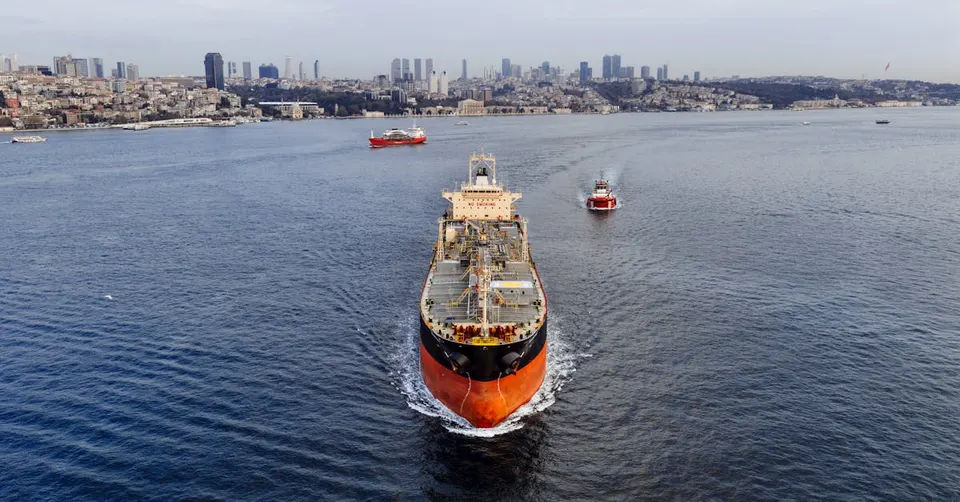
The situation in the Strait of Hormuz has reached a fever pitch as Iranian Parliament Speaker Mohammad Bagher Ghalibaf warned that a "new equation" is being solidified. Responding to Donald Trump’s "Project Freedom"—a naval operation aimed at breaking the Iranian blockade—Ghalibaf stated that the current status quo is "intolerable" for the United States and hinted that Iran’s full retaliatory capabilities have not yet been deployed. This rhetoric follows reports of an attack on the port of Fujairah, which India has condemned after several of its nationals were injured, further internationalizing the crisis and putting pressure on global energy transit.
"Project Freedom" represents a high-stakes gamble by the Trump administration to ensure the flow of energy through the world's most vital maritime chokepoint. However, the move has so far only served to increase the "war premium" on oil and insurance. For the average Iranian, these headlines translate directly to the cost of living. While the Emami coin saw a sharp decline of 2.9% today (dropping from 205,000,000 to 199,000,000 Toman), this is likely a technical correction from previous speculative peaks rather than a sign of cooling tensions. The underlying pressure on the Rial remains heavy as the threat of a full-scale naval confrontation looms over the Persian Gulf.
Bitcoin’s Resilience and Domestic Market Divergence
Despite the geopolitical firestorm, Bitcoin has shown remarkable resilience, maintaining a position near $81,034. Interestingly, analysts are noting that Bitcoin is beginning to act as a hedge against inflation and regional instability, defying the traditional macro playbook that usually sees crypto fall during war scares. As traditional fiat systems in the Middle East face extreme pressure, the decentralized nature of crypto assets is attracting both institutional and retail interest. The 24-hour stability of Bitcoin near the $81k mark suggests that the market has already "priced in" a significant level of conflict, though any sudden escalation in the Strait could trigger a new wave of volatility.
Meanwhile, the domestic gold market in Iran is experiencing a rare divergence. While the US Dollar rose 0.5%, 18-karat gold per gram actually dipped slightly from 20,130,199 to 20,030,241 Toman (-0.5%). This suggests that the local gold market might be overextended, or that sellers are liquidating gold positions to cover margin calls or to move into more liquid USD or USDT holdings. USDT itself is trading at a premium at 18,285 Toman, indicating that the digital dollar remains the preferred exit ramp for those looking to protect their purchasing power against the backdrop of HSBC's warnings and the intensifying blockade rhetoric.
Global Legal and Social Shifts
In a separate but notable development, the legal system in Australia has seen a high-profile conclusion to a case that has gripped the nation. Popular author Jasper Jones has pleaded guilty to charges related to child exploitation material following a police raid in Perth. While seemingly disconnected from Middle Eastern geopolitics, the story highlights a period of intense domestic scrutiny and legal reform in Western allied nations, occurring simultaneously with the global economic shifts discussed by the Reserve Bank of Australia, which recently warned that citizens are becoming "poorer" due to persistent inflation and rate hikes.
The intersection of these stories—from banking losses in London to naval standoffs in the Persian Gulf and social crises in Australia—paints a picture of a world in transition. For the Iranian reader, the takeaway is one of defensive positioning. Whether it is the 2.9% drop in the Emami coin or the cautious stability of Bitcoin, the markets are signaling that while the "new equation" in the Strait is being written, the cost of entry into safe-haven assets is only going to become more complex and expensive as institutional players like HSBC pull back.
Frequently Asked Questions
Why did HSBC's profits fall in early 2026?
What is Trump's 'Project Freedom' in the Strait of Hormuz?
Why is the Emami coin falling while the US Dollar is rising in Iran?
Is Bitcoin still a safe haven during the Iran-US conflict?
The Strategic Importance of the Strait of Hormuz
The Strait of Hormuz is a narrow 21‑mile waterway that links the Persian Gulf with the Gulf of Oman and the wider Indian Ocean. Because it is the only maritime outlet for the oil‑rich nations of the Gulf—Saudi Arabia, Iran, Iraq, Kuwait, the United Arab Emirates and Qatar—its geography makes it a natural chokepoint for global energy trade.
Approximately 20% of the world’s petroleum and a similar share of liquefied natural gas transits the strait each day, according to the International Energy Agency. This concentration means that any disruption—whether from a naval incident, a mining operation, or a deliberate closure—can instantly reverberate through oil markets, driving price spikes and prompting insurers to raise war‑risk premiums.
Iran, which borders the strait on the north, has repeatedly threatened to block or mine the passage as leverage in regional disputes. When Tehran signals a possible closure, traders react by re‑routing tankers around the Cape of Good Hope, a detour that adds roughly 10,000 nautical miles and weeks of transit time. The added cost is quickly reflected in spot oil prices, and banks with exposure to oil‑related loans—such as HSBC—can see profit margins squeezed by higher financing costs and heightened credit risk.
The broader economic fallout extends beyond oil. Higher freight rates and volatile energy prices can depress emerging‑market currencies, influence the USD/IRR exchange rate, and even push investors toward alternative stores of value like Bitcoin. In periods of heightened tension, the cryptocurrency market often experiences inflows as traders seek assets perceived as insulated from traditional financial system shocks.
Because the strait’s stability underpins a substantial portion of global trade, monitoring diplomatic developments, naval deployments, and regional rhetoric is essential for investors, policymakers, and anyone dependent on affordable energy. Diversifying supply routes and maintaining strategic petroleum reserves are among the tools nations use to mitigate the systemic risk posed by this narrow but mighty waterway.
Topics
Related Articles