Hormuz Paralysis Drives California Gas to $6 as RBA Warns of 'No Way Out' from War Inflation
فلج شدن هرمز و بنزین ۶ دلاری در کالیفرنیا؛ هشدار تند بانک مرکزی استرالیا درباره تورم ناشی از جنگ ایران
Global energy markets are reeling as the Strait of Hormuz blockade finally hits American pumps, pushing California gas prices past $6. Meanwhile, Australia’s central bank warns of a 'no way out' scenario for inflation as the regional conflict continues to drain global wealth.
At time of publishing
USD
183,900
Toman
Gold 18K
20.27M
Toman / gram
Bitcoin
$80,851
US Dollar
Tether
18,163.6
Toman
The Australian Dual Crisis: Legal Drama Meets Economic Despair
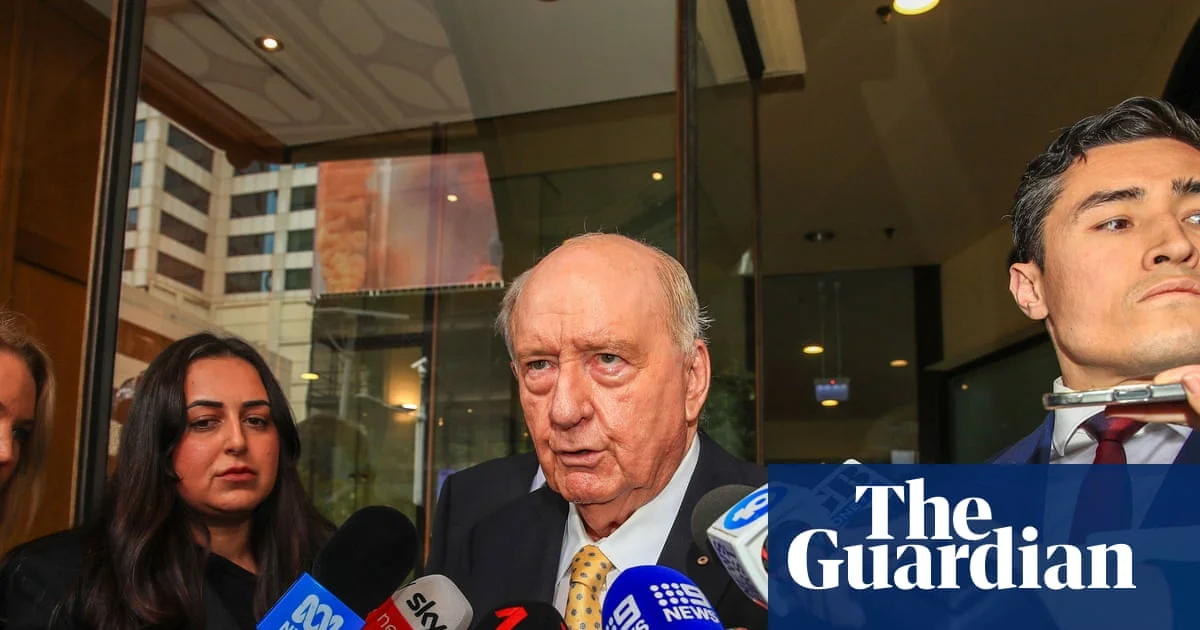
The Australian landscape is currently dominated by two starkly different but equally gripping stories. At the forefront of the media cycle is the legal battle involving legendary broadcaster Alan Jones. His legal team is now challenging the validity of police warrants used during a raid on his Sydney home, alleging impropriety and a "willy-nilly" search of his digital life. While this scandal captures the public's attention, it unfolds against a much darker economic backdrop. The distraction of high-profile legal battles cannot mask the growing anxiety over the country's financial stability as the ripple effects of Middle Eastern tensions reach the Southern Hemisphere.
Providing the sobering reality check, Reserve Bank of Australia (RBA) Governor Michele Bullock has warned that Australians are becoming "poorer with no way out" as she announced the third consecutive interest rate hike. This move is a direct response to the surging oil prices triggered by the ongoing conflict involving Iran and the blockade of the Strait of Hormuz. Bullock’s admission that rate hikes may not even curb inflation in the next six months signals a period of prolonged stagflation. For Iranian observers, this is a clear indicator of how regional instability is destroying global purchasing power, making international trade more expensive and tightening the credit markets that Iran’s partners rely on.
California Gas Hits $6 as Hormuz Paralysis Takes Hold
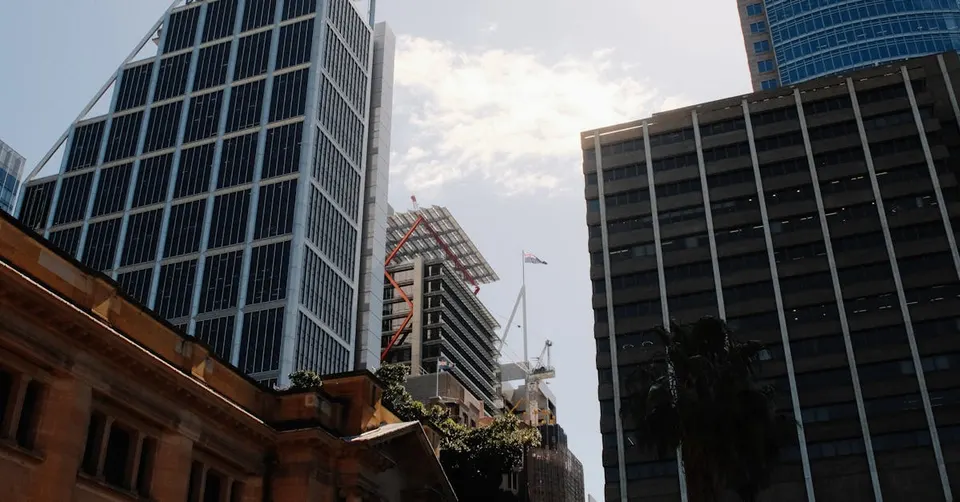
The geopolitical tension in the Persian Gulf has officially landed on American shores, specifically at the fuel pumps of California. Retail gas prices in the Golden State have surged past $6.11 per gallon for the first time since 2023, a direct consequence of the supply crunch caused by the paralysis of the Strait of Hormuz. California’s unique vulnerability lies in its heavy dependence on foreign crude; with the last tanker from the Middle East having arrived in late April, the state is now facing a literal dry spell. This isn't just a local issue; it represents a massive shift in global energy logistics that is forcing the world's largest economy to reckon with the strategic importance of Iranian waters.
What this means for the global economy is a sustained inflationary pressure that refuses to dissipate. As tankers remain stuck or diverted, the cost of shipping and insurance is skyrocketing, costs which are inevitably passed down to the consumer. For the Iranian market, this surge in energy prices provides a paradoxical backdrop: while global prices are high, the domestic currency remains under immense pressure due to the very same geopolitical risks. The USD in Tehran has moved from 181,000 to 183,900 Toman (+1.6%) in the last 24 hours, reflecting a market that is pricing in the high probability of further escalation and the resulting economic isolation.
Market Divergence: S&P 500 Resilience vs. Toman Volatility
Despite the chaos in energy and geopolitics, Wall Street remains surprisingly resilient. Morgan Stanley analysts suggest that the steady increase in earnings growth expectations is keeping the S&P 500 in a rally phase. The compression of price-earnings multiples indicates that investors are still betting on corporate efficiency to outrun the geopolitical storm. However, this optimism in the West stands in sharp contrast to the volatility seen in Tehran’s markets today. While the USD rose significantly, we saw a curious drop in the Emami coin, which fell from 205,000,000 to 198,000,000 Toman (-3.4%). This suggests a possible liquidity shift as investors move away from domestic gold instruments toward hard currency or international assets amid the rising uncertainty.
For the average Iranian reader, the lesson is one of extreme caution. Gold 18k/gram saw a modest rise of 0.7%, moving from 20,130,199 to 20,271,942 Toman, failing to keep pace with the 1.6% jump in the US dollar. This divergence highlights the "panic premium" currently embedded in the USD/IRR rate. As the global supply chain buckles and central banks like the RBA admit they are powerless against war-driven inflation, the Toman market is likely to remain on a knife-edge. The rally in US stocks may provide a temporary cushion for global sentiment, but for those on the ground in the Middle East, the reality is one of tightening belts and hedging against a potentially long-term disruption of trade routes.
Frequently Asked Questions
Why is the Emami coin falling while the US Dollar is rising in Tehran?
How does the Strait of Hormuz blockade affect gas prices in California?
What did the RBA Governor mean by saying Australians have 'no way out'?
Is the US stock market safe from the Middle East conflict?
Geopolitical Risk Premium in Oil Markets: Why a Hormuz Blockade Sends California Gas Prices Soaring
The geopolitical risk premium is the extra amount investors demand for holding a commodity when political events threaten its supply. In oil markets, this premium spikes whenever a key shipping lane—like the Strait of Hormuz—faces the prospect of closure or disruption. Traders price in the possibility of reduced flows, even if the actual physical interruption never occurs, leading to higher spot and futures prices for crude.
The Strait of Hormuz carries roughly 20% of the world’s petroleum. A blockade or even the credible threat of one forces market participants to assume that a portion of daily oil exports from the Gulf will be unavailable. This expectation pushes up benchmark prices such as Brent and WTI, because buyers must secure oil now at higher costs to hedge against future shortages. Historical episodes—such as the 2012 Iranian‑UAE tensions—showed Brent jumping by more than $10 per barrel in a single week.
Higher crude prices cascade through the entire fuel supply chain. In the United States, gasoline is a blend of refined crude, and the price‑pass‑through from oil to pump can range from 30% to 70% depending on regional market dynamics. California, with its stringent fuel specifications and limited refinery capacity, feels the impact acutely; any rise in crude cost translates quickly into higher retail gasoline prices, often exceeding $6 per gallon during sharp oil shocks.
Beyond the pump, a sustained risk premium fuels broader inflationary pressures. Central banks, including the Reserve Bank of Australia under Governor Michele Bullock, monitor oil‑driven price spikes as they can feed into consumer price indices and complicate monetary policy. When war‑related supply risks keep oil prices elevated, policymakers face a “no way out” scenario where tightening rates may be required even as growth slows.
Topics
Related Articles