Hormuz Crisis Deepens as US Navy Trades Fire with Iranian Forces; Bitcoin Holds $80,000 Amid Global Oil Supply Shock
بحران در هرمز؛ تبادل آتش میان ایران و آمریکا و پایداری بیتکوین در سایه شوک عرضه نفت
Tensions in the Strait of Hormuz have reached a breaking point as the US Navy's 'Project Freedom' sparks direct clashes, while Goldman Sachs warns of an 8-year low in global oil inventories.
At time of publishing
USD
182,900
Toman
Gold 18K
20.16M
Toman / gram
Bitcoin
$80,718
US Dollar
Tether
18,279.9
Toman
Military Escalation in the Strait of Hormuz
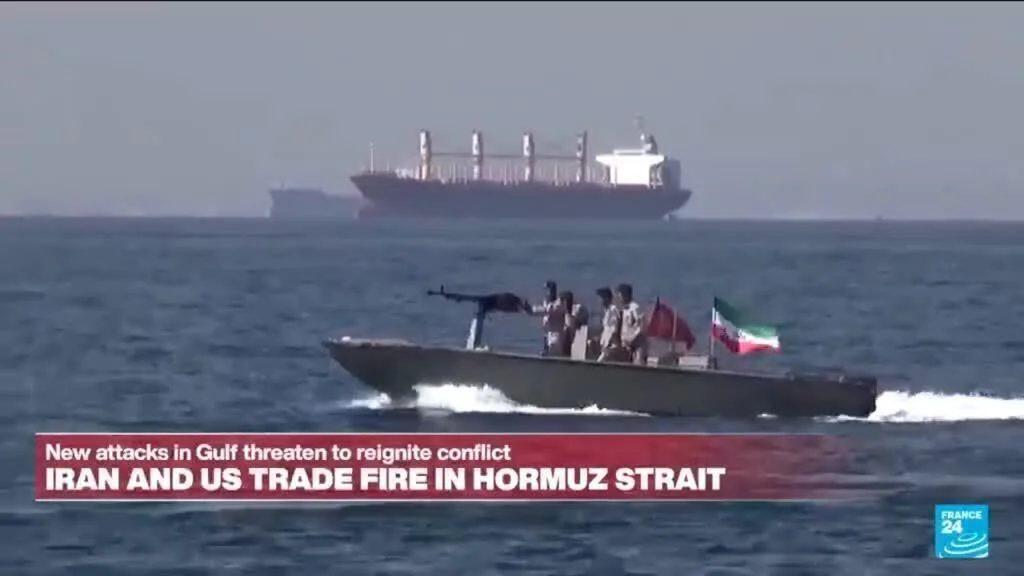
The fragile ceasefire that held since early April has effectively collapsed as the US military and Iranian forces engaged in direct kinetic exchanges within the Strait of Hormuz. Under the newly launched "Project Freedom," the US Navy attempted to escort stranded tankers through the strategic chokepoint, leading to the reported sinking of six Iranian small boats by US fire. In a significant escalation of the regional theater, the United Arab Emirates reported its first direct attack since the truce began, claiming an Iranian drone strike targeted a key oil facility. This return to active hostilities marks the highest level of tension in years, with over 800 ships and 20,000 crew members currently caught in the crosshairs of this maritime blockade.
For the Iranian domestic market, the immediate impact was felt in the currency corridors. The USD/IRR exchange rate moved from 181,000 to 182,900, representing a 1.0% increase in just 24 hours. While the currency felt the heat, the gold market showed a curious divergence; while 18k gold rose slightly by 0.1% to 20,156,286 Toman per gram, the Emami coin saw a sharp correction, falling from 205,000,000 to 196,500,000 Toman (-4.1%). This volatility suggests a market that is pricing in extreme geopolitical risk while simultaneously struggling with liquidity as traders move toward more liquid assets like the Greenback.
Global Oil Inventories Hit 8-Year Low
Compounding the geopolitical crisis, a dire report from Goldman Sachs has warned that global oil inventories are crashing toward an eight-year low. Total oil stocks have dropped to roughly 101 days of expected demand, a level that leaves the global economy dangerously exposed to further supply shocks. Analysts warn that if the Strait of Hormuz remains inaccessible for tanker traffic through the end of the month, these stocks could plummet to just 98 days of demand. This supply-side crunch is already manifesting in soaring energy costs globally, with central bankers like the RBA’s Michele Bullock warning that the world is becoming "poorer" due to this inescapable war-driven inflation.
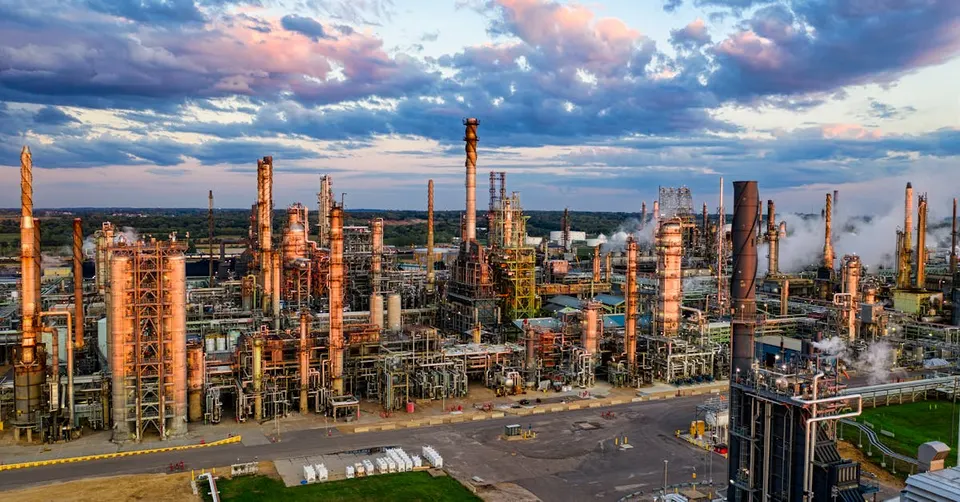
This "hydrocarbon thirst" is meeting a wall of physical constraints. Even as the United States attempts to reduce its overall dependency on crude, the immediate spike in gasoline and diesel prices is creating significant political friction for the Trump administration. The intersection of falling inventories and the Hormuz blockade creates a perfect storm for the energy market, ensuring that even if a diplomatic solution is found tomorrow, the lag in supply restoration will keep prices elevated for months. For Iranian readers, this translates to a global environment where oil remains a high-stakes weapon, but also one where the costs of isolation are magnified by rising global commodity prices.
Crypto Resilience Amid Geopolitical Chaos
Despite the drums of war in the Persian Gulf, the cryptocurrency market has shown remarkable resilience, with Bitcoin (BTC) reclaiming the $80,000 mark. In the last 24 hours, BTC rose to $80,718, fueled by massive inflows into US spot Bitcoin ETFs, which pulled in over $532 million on Monday alone. This "post-ceasefire recovery" sentiment seems to be driven by investors seeking a non-sovereign store of value as traditional fiat currencies in the region face extreme pressure. BlackRock and Fidelity led the charge, suggesting that institutional appetite for crypto remains decoupled from the immediate tactical risks in the Middle East.

The rotation into higher-risk plays like altcoins is also gaining momentum as risk appetite returns to the digital asset space. For Iranian investors, the USDT (Tether) rate remains a critical barometer, currently sitting at 18,280 Toman, closely tracking the free market dollar. As the Strait of Hormuz remains a flashpoint, the crypto market is increasingly viewed as a secondary "safe haven" or at least a liquid alternative to local assets that are subject to immediate seizure or devaluation during times of conflict. This trend highlights a fundamental shift in how global capital reacts to war in the digital age, prioritizing borderless liquidity over traditional safe-haven assets like physical coins.
Watch
'The highest tensions have been' as US, Iran trade fire in Hormuz • FRANCE 24 English
FRANCE 24 English
Frequently Asked Questions
Why did the Emami coin price drop while the USD rose?
What is 'Project Freedom' and how does it affect shipping?
How low are global oil inventories according to Goldman Sachs?
Why is Bitcoin rising during a Middle East military conflict?
Why the Strait of Hormuz Matters: The World's Most Critical Oil Chokepoint
The Strait of Hormuz is a narrow waterway—only about 21 nautical miles wide at its narrowest point—situated between the Persian Gulf and the Gulf of Oman. Despite its modest dimensions, it serves as the gateway for roughly 20% of global petroleum liquids and an even larger share of liquefied natural gas (LNG) shipments. This concentration means that any disruption, whether from mechanical failure, piracy, or military action, can instantly reverberate through worldwide energy markets.
A chokepoint like Hormuz becomes strategically potent because alternative routes are limited and expensive. Since the 1970s, the strait has witnessed several high‑profile incidents: Iranian attacks on oil tankers during the Iran‑Iraq War, the 2019 seizure of the Khalij Fars by Iran, and the 2020 drone and missile skirmishes that prompted a massive U.S. naval buildup. Each episode sent shockwaves through oil prices, underscoring how tightly the world’s energy supply is tethered to this thin slice of water.
In response, the United States conducts Freedom of Navigation Operations (FONOPs)—often branded under initiatives like “Project Freedom”—to assert the right of passage and deter blockades. The presence of carrier strike groups, destroyers, and surveillance aircraft turns the strait into a high‑stakes arena where geopolitical rivalries play out in real time. When tensions flare, as they have in 2026, market participants brace for potential supply cuts, prompting swift price spikes in crude and even influencing seemingly unrelated assets such as Bitcoin, which traders sometimes view as a hedge against commodity volatility.
The ripple effects are evident in the global oil supply shock narrative: a sudden reduction in flow can push Brent crude above $100 per barrel, prompting central banks to reassess inflation forecasts and investors to rebalance portfolios. Cryptocurrencies, commodities, and emerging market currencies all feel the tremor. Understanding the mechanics of this chokepoint helps explain why a single naval exchange can echo through financial markets worldwide.
Ultimately, the Strait of Hormuz exemplifies how geography can dictate economics and security. Monitoring developments there offers a window into future oil price trajectories, the stability of global trade routes, and the broader interplay between traditional energy markets and digital assets.