Bullish Acquires Equiniti for $4.2B in Tokenization Mega-Deal; Hormuz Tensions Push USD to 182,200
خرید ۴.۲ میلیارد دلاری اکوئیتی توسط بولیش؛ همزمان با تنش در هرمز، دلار به ۱۸۲ هزار تومان رسید
Crypto exchange Bullish is pivotally shifting market infrastructure with a $4.2 billion acquisition of Equiniti, while rising tensions in the Strait of Hormuz have pushed the US Dollar to 182,200 Toman. Global markets are bracing for 'war inflation' as energy costs threaten to derail the electric vehicle transition.
At time of publishing
USD
182,200
Toman
Gold 18K
20.10M
Toman / gram
Bitcoin
$80,937
US Dollar
Tether
18,182.1
Toman
The $4.2 Billion Bet on Tokenized Securities
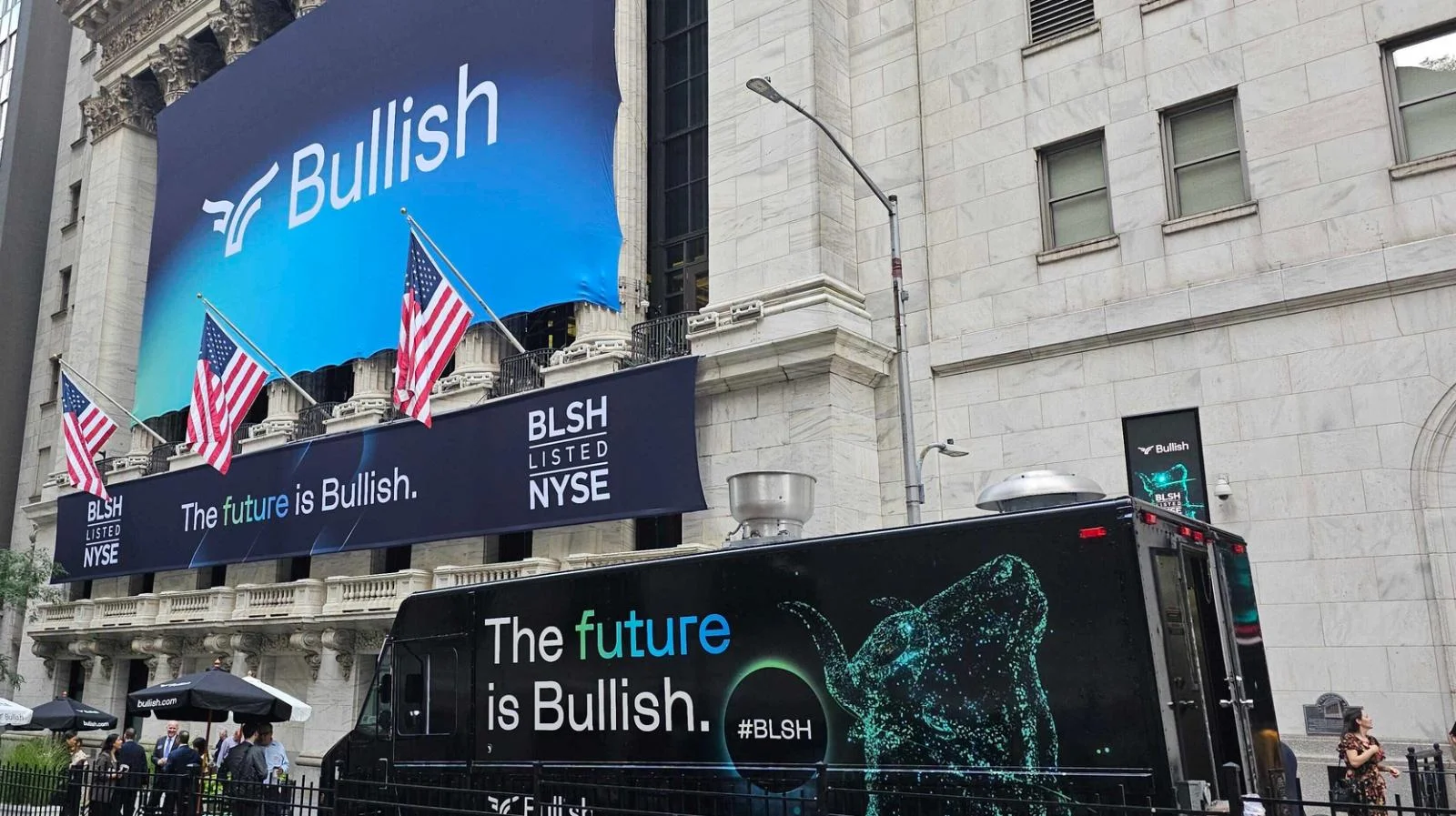
In a landmark move for the convergence of traditional finance and blockchain technology, the crypto exchange Bullish has announced its acquisition of Equiniti for $4.2 billion. This deal is not merely a corporate expansion; it represents a fundamental shift in how capital markets infrastructure is being rebuilt. By bringing Equiniti—a highly regulated transfer agent and provider of share registration services—into its ecosystem, Bullish is positioning itself as a primary architect of end-to-end tokenization. This means that traditional assets like stocks and bonds could soon be managed, transferred, and settled with the efficiency of a blockchain while maintaining the regulatory rigor of a legacy financial institution.
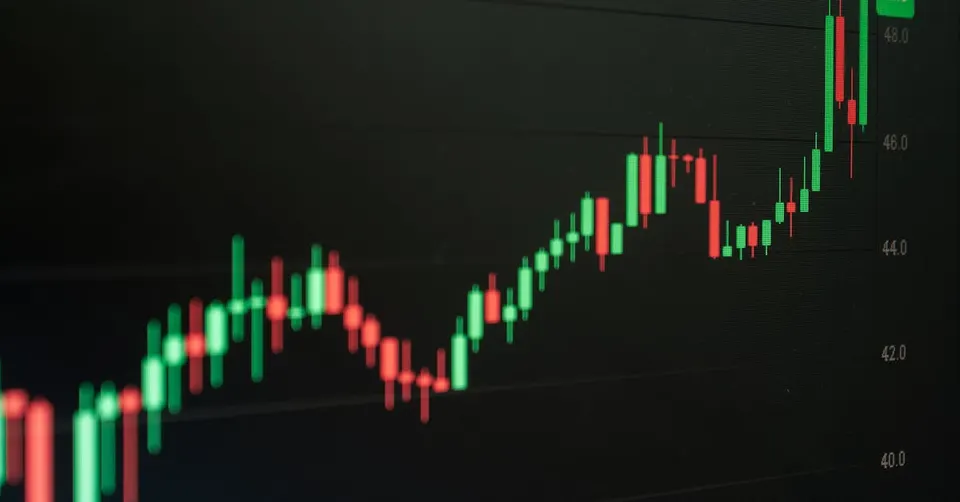
The timing of this acquisition is particularly notable as Bitcoin continues to hold its ground above the $80,000 mark. Despite several major banks scrapping their forecasts for Federal Reserve rate cuts, the crypto market's resilience suggests that institutional players are looking far beyond short-term interest rate cycles. They are instead focusing on the plumbing of the financial system. For the average investor, this signifies that the 'crypto' label is slowly dissolving into a broader 'digital finance' category, where the underlying technology becomes the standard for all forms of value exchange.
---
Hormuz Standoff and the Domestic Market Reaction
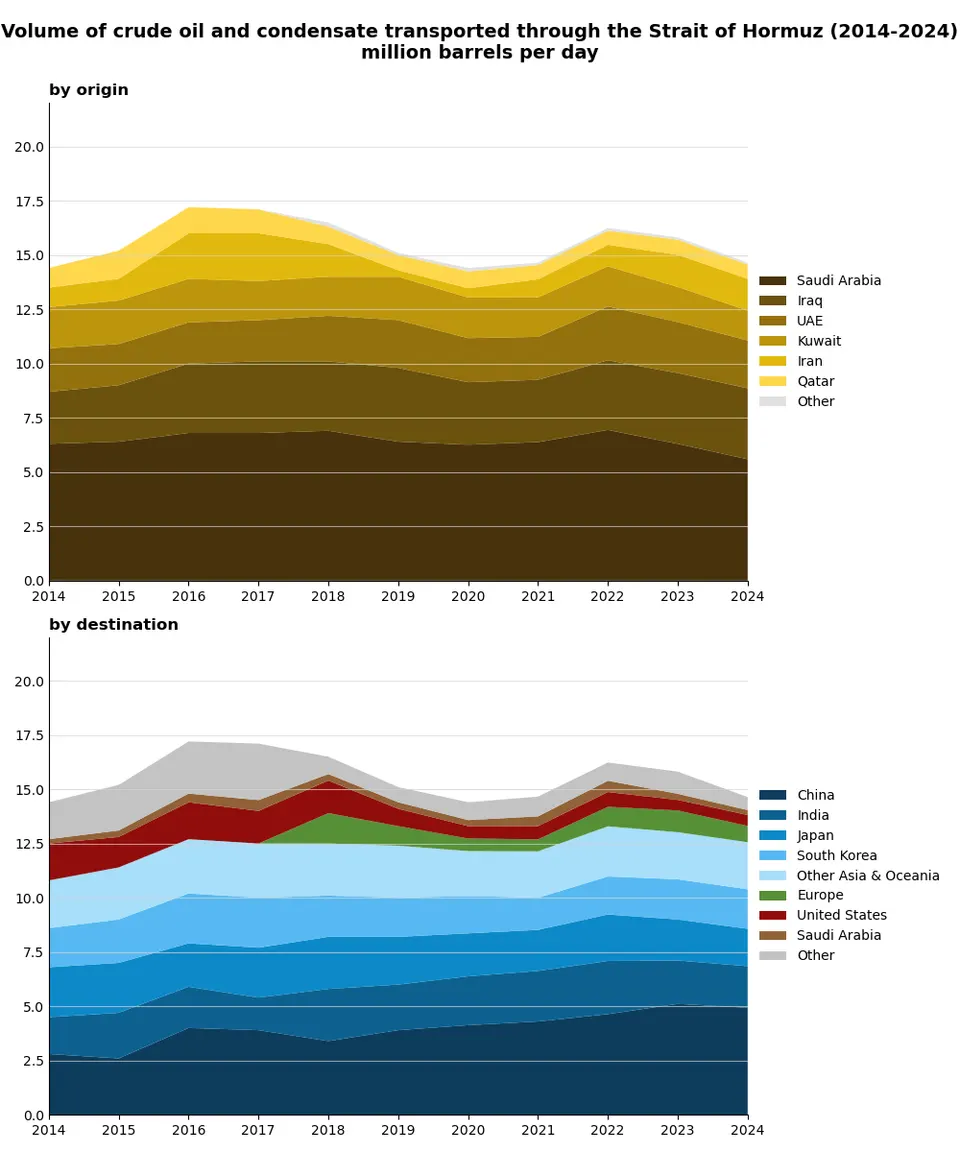
Geopolitical friction in the Strait of Hormuz has entered a more volatile phase as Mohammad Bagher Ghalibaf, Iran’s top negotiator, accused the United States of violating the existing ceasefire. The reports of Iranian forces firing at vessels guided by the U.S. Navy have sent immediate ripples through the Tehran currency market. As of 15:00 Tehran time, the USD/IRR exchange rate moved from 181,000 to 182,200 (+0.7%). This upward pressure on the dollar reflects a heightened risk premium as traders anticipate further escalations in the world’s most critical maritime energy artery.
Interestingly, while the dollar climbed, the gold and coin markets showed a divergent trend. The Emami coin saw a significant drop, falling from 205,000,000 to 195,500,000 Toman (-4.6%). This sharp decline, occurring alongside a minor 0.2% dip in 18k gold prices, suggests a massive reduction in the 'bubble' or local premium that had previously characterized the coin market. Investors appear to be rotating out of speculative gold positions and into liquid hard currency as a defensive measure against potential regional instability. The market is currently pricing in a prolonged standoff rather than a short-lived skirmish.
---
'War Inflation' and the Global Energy Shock
The economic fallout of the Iran conflict is now being felt as far away as the United Kingdom’s automotive sector. The Society of Motor Manufacturers and Traders (SMMT) has warned that the recent surge in electric vehicle (EV) sales could be jeopardized by 'war inflation.' As energy prices rise due to the naval standoff in the Persian Gulf, the cost of manufacturing and charging EVs is becoming a critical concern for consumers. This creates a paradox where the transition to green energy is being slowed by the very volatility in fossil fuel markets that it aims to replace.
Furthermore, the global financial response to this energy shock is becoming increasingly complex. Norway’s $2.2 trillion sovereign wealth fund is currently under fire for its stance on climate issues, highlighting the tension between maintaining energy security and pursuing long-term environmental goals. For the Iranian reader, this global backdrop is crucial: it means that the local currency depreciation isn't happening in a vacuum. The world is entering a period where energy-driven inflation is testing the resolve of central banks globally, making the path toward economic stabilization in Tehran even more arduous as global liquidity tightens and risk aversion peaks.

Frequently Asked Questions
Why did the Emami coin fall while the US Dollar rose?
What is the significance of the Bullish and Equiniti deal for crypto?
How is the conflict in the Strait of Hormuz affecting global inflation?
Understanding Asset Tokenization: The Future of Finance
Asset tokenization is a transformative process that converts the value or ownership rights of a real-world asset into a digital token on a blockchain. This digital representation, often powered by smart contracts, allows for the fractional ownership and seamless transfer of assets that were traditionally illiquid or difficult to divide, such as real estate, fine art, commodities, or even company shares. Think of it as digitizing the deed or title to an asset, making it programmable and globally accessible on a secure, distributed ledger.
The mechanism behind tokenization relies heavily on blockchain technology's inherent features: immutability, transparency, and security. When an asset is tokenized, its ownership and associated rights are recorded on a blockchain ledger. Each token represents a verifiable, unique share or unit of the underlying asset. Smart contracts automate the rules and conditions governing these tokens, such as dividend distribution, voting rights, or transfer restrictions, eliminating the need for many traditional intermediaries and manual processes.
The benefits of asset tokenization are profound. It dramatically enhances liquidity for traditionally illiquid assets by enabling fractional ownership and a global marketplace for trading. This means an investor could own a small piece of a skyscraper or a famous painting, making high-value assets accessible to a broader range of investors. Furthermore, tokenization reduces transaction costs, speeds up settlement times from days to minutes, and increases transparency by providing an immutable record of all transactions.
This burgeoning field is attracting significant investment, as evidenced by the $4.2 billion acquisition of Equiniti by Bullish mentioned in the headline. Such mega-deals underscore the growing confidence in tokenized securities infrastructure as a cornerstone of future financial markets. As regulatory frameworks evolve and technology matures, asset tokenization is poised to revolutionize how we perceive, own, and trade nearly every type of asset, fostering a more efficient, inclusive, and liquid global economy.
Topics
Related Articles