Shell’s $7B War Windfall: Oil Giants Profit as Trump Teases 'Quick' End to Iran Conflict
سود ۷ میلیارد دلاری «شل» از سایه جنگ؛ ادعای ترامپ درباره پایان سریع درگیری با ایران
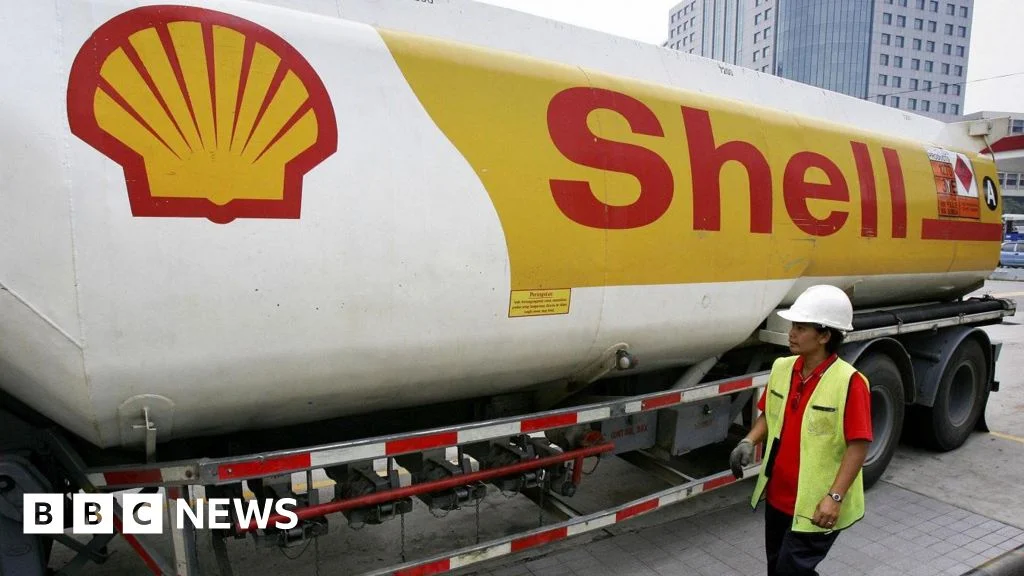
Energy giant Shell reports massive Q1 profits of $6.92bn as the Iran conflict drives oil prices higher, while Donald Trump claims the war will be 'over quickly' amid ongoing mediation by Pakistan.
At time of publishing
USD
176,000
Toman
Gold 18K
19.96M
Toman / gram
Bitcoin
$81,103
US Dollar
Tether
17,596
Toman
The War Dividend: Shell’s Profits Surge Amid Persian Gulf Turmoil
As the geopolitical landscape remains volatile, the financial consequences of the ongoing conflict involving Iran are becoming starkly clear in the balance sheets of global energy giants. Shell has reported a staggering profit of $6.92 billion for the first three months of 2026, a figure driven largely by the sharp escalation in crude oil prices. This surge is a direct result of the military friction in the Persian Gulf and the Gulf of Oman, where shipping lanes have become high-risk zones. For Iranian readers, this highlights a painful irony: while global energy firms reap record dividends from the instability, the domestic economy remains under the pressure of a naval blockade and soaring logistical costs.
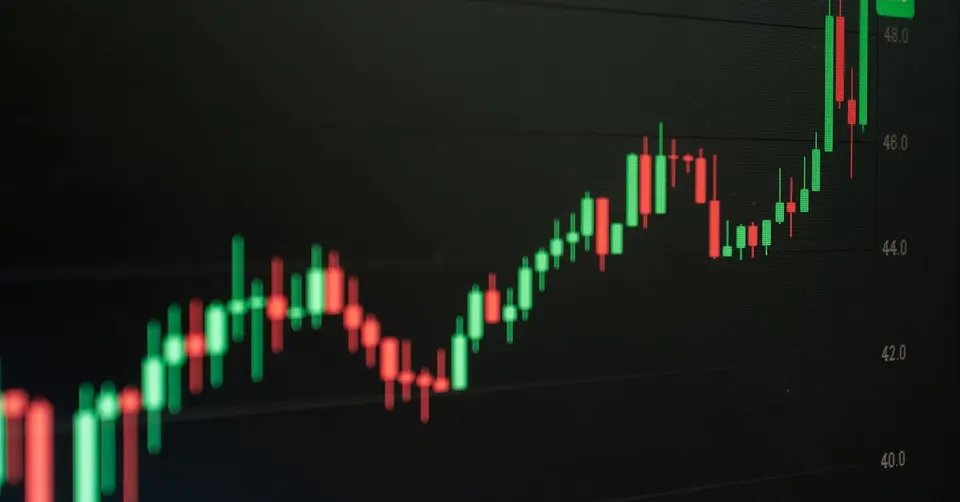
The market’s reaction to this energy crunch is visible in every sector. With the US military recently firing on an Iranian oil tanker attempting to breach the blockade, the risk premium on every barrel of oil has reached levels not seen in years. This has not only boosted the bottom line for firms like Shell but has also forced a massive reshuffling of global trade routes. As long as the physical flow of oil from the region remains under threat, these 'war profits' are likely to persist, keeping global inflation high and the Iranian Toman under sustained pressure, even if the currency has held steady at 176,000 per USD over the last 24 hours.

Diplomacy vs. Rhetoric: Trump’s 'Quick War' and the Pakistani Mediator
The narrative on the ground is currently caught between aggressive military posturing and frantic back-channel diplomacy. US President Donald Trump recently stated that the conflict would be "over quickly," a comment that has left analysts divided on whether he is signaling an imminent massive escalation or a breakthrough in negotiations. Meanwhile, Pakistan has emerged as a critical mediator, with officials in Islamabad working to convert the current tentative ceasefire discussions into a permanent end to hostilities. Tehran is reportedly reviewing a new US proposal, though the details remain shrouded in secrecy as both sides trade conflicting messages about the state of the talks.
For the markets, this uncertainty is a double-edged sword. On one hand, the prospect of a diplomatic resolution offers a glimmer of hope for a de-escalation that could stabilize the Toman and lower the price of gold, which currently sits at a historic $4,730 per ounce. On the other hand, Trump’s threat to resume heavy bombardment if negotiations fail keeps the 'fear index' high. This psychological tug-of-war is precisely why we see Bitcoin holding firm at $81,103; investors are treating digital assets as a hedge against the possibility that diplomacy might fail and lead to a wider regional conflagration.
Global Energy Pivot: Australia’s Move and the New Market Reality
While the Middle East remains the epicenter of the crisis, the rest of the world is not standing still. The Australian government has recently greenlit the 'Annie' gasfield project in the Otway Basin, a move that environmentalists warn will jeopardize pristine ocean environments but which policymakers deem necessary for energy security. This is part of a broader global trend where nations are aggressively seeking energy independence to insulate themselves from the shocks of the Iran war. Australia is even implementing a domestic gas reservation policy, forcing companies to set aside 20% of their exports for local use to prevent price spikes at home.
This shift signifies a fundamental change in the global economy. The reliance on the Persian Gulf is being challenged as countries prioritize local supply over global trade efficiency. For Iran, this means that even if the war ends tomorrow, the global energy market it returns to will be more fragmented and less dependent on its exports than before. As institutional investors move toward more standardized 'TradFi' style crypto credit and traditional banks like BNY expand their digital footprints in Abu Dhabi, the financial world is building a new infrastructure that bypasses traditional geopolitical chokepoints.
Market Summary and Iranian Context
In the local markets, the stability of the USD at 176,000 Toman (0.0% change) suggests a period of consolidation as traders wait for the next major geopolitical move. Gold 18k remains at 19,963,987 Toman per gram, reflecting the global ceiling in gold prices despite the regional tension. The Emami coin is also holding steady at 193,000,000 Toman. These frozen prices indicate a market that is 'priced for perfection'—any sudden breakdown in Pakistan’s mediation efforts or a renewed strike in the Gulf could send these figures into another spiral of volatility.
Frequently Asked Questions
Why are oil companies like Shell making record profits during the Iran conflict?
What is the significance of Pakistan's role in the current negotiations?
How is the Iran war affecting global energy policies in countries like Australia?
Why has the Toman remained stable at 176,000 despite the ongoing war rhetoric?
Understanding the Geopolitical Risk Premium in Oil Markets
The "geopolitical risk premium" in oil markets refers to the additional cost built into the price of crude oil due to actual or perceived political instability, conflicts, or tensions in major oil-producing or transit regions. This premium reflects the market's anticipation of potential supply disruptions, even if no actual disruption has occurred yet. It's essentially an insurance policy buyers pay for against future uncertainty, ensuring they can secure supply in a volatile environment.
When events like the "Iran conflict" mentioned in the headline unfold or even threaten to unfold, global oil markets become highly sensitive. The Strait of Hormuz, for instance, is a critical chokepoint for a significant portion of the world's oil supply. Any threat to its passage, or to production facilities in the Middle East, immediately triggers concerns about reduced supply. Traders and investors, anticipating potential shortages or higher future costs, begin to bid up prices, thereby incorporating this risk premium into current market rates.
This premium directly explains why "oil giants profit" during periods of heightened geopolitical tension, leading to "war windfalls" like Shell's. While oil companies benefit from higher prices, consumers face increased costs at the pump, and businesses grapple with higher energy expenses, potentially fueling inflation across the economy. The added cost permeates various sectors, impacting everything from transportation to manufacturing.
Even the prospect of a "quick end to Iran conflict" can cause prices to fluctuate dramatically, demonstrating how quickly market sentiment reacts to geopolitical developments and the potential for the premium to shrink or grow. The ripple effect extends beyond oil: during such times, investors often flock to safe-haven assets like gold, driving up its price, while currencies of nations heavily impacted by the conflict or dependent on stable oil prices (like the Toman) can experience significant depreciation.
Topics
Related Articles