Britain's 'War Speed' Limits and the $4,700 Gold Ceiling: The Global Cost of Conflict
محدودیت «سرعت جنگی» در بریتانیا و سقفشکنی طلا؛ هزینههای جهانی تنش در خاورمیانه
As a major UK thinktank proposes radical speed limit cuts to survive the 'Iran war' energy shock, global gold prices hit staggering new highs. President Pezeshkian demands firm guarantees as diplomacy remains on a knife-edge.
At time of publishing
USD
176,000
Toman
Gold 18K
19.96M
Toman / gram
Bitcoin
$81,043
US Dollar
Tether
17,479.7
Toman
Market Open — The Toman Holds its Breath
The Iranian markets opened this Thursday with a sense of eerie stability despite the tectonic shifts in global geopolitics. The US Dollar (USD/IRR) held steady at 176,000 Toman, showing a 0.0% change over the last 24 hours. This flatline suggests a market in a 'wait-and-see' mode, as traders digest the conflicting signals of ceasefire rumors and escalating war-economy measures abroad. The domestic gold market mirrored this stillness, with 18k gold gram remaining at 19,963,987 Toman and the Emami coin holding firm at 193,000,000 Toman.
However, the real story lies in the global backdrop. The international gold ounce has surged to a staggering $4,707.30, reflecting a world terrified of currency debasement and regional escalation. In the crypto space, Bitcoin (BTC) is currently trading at $81,043, pausing its recent rally as equities gain ground on fragile hopes of a diplomatic breakthrough. For the Iranian reader, this translates to a complex reality: while the Toman is momentarily stable, the cost of global hedges like gold is reaching levels that make domestic diversification increasingly expensive.
Britain’s 'War Speed': A Radical Plan for Fuel Security
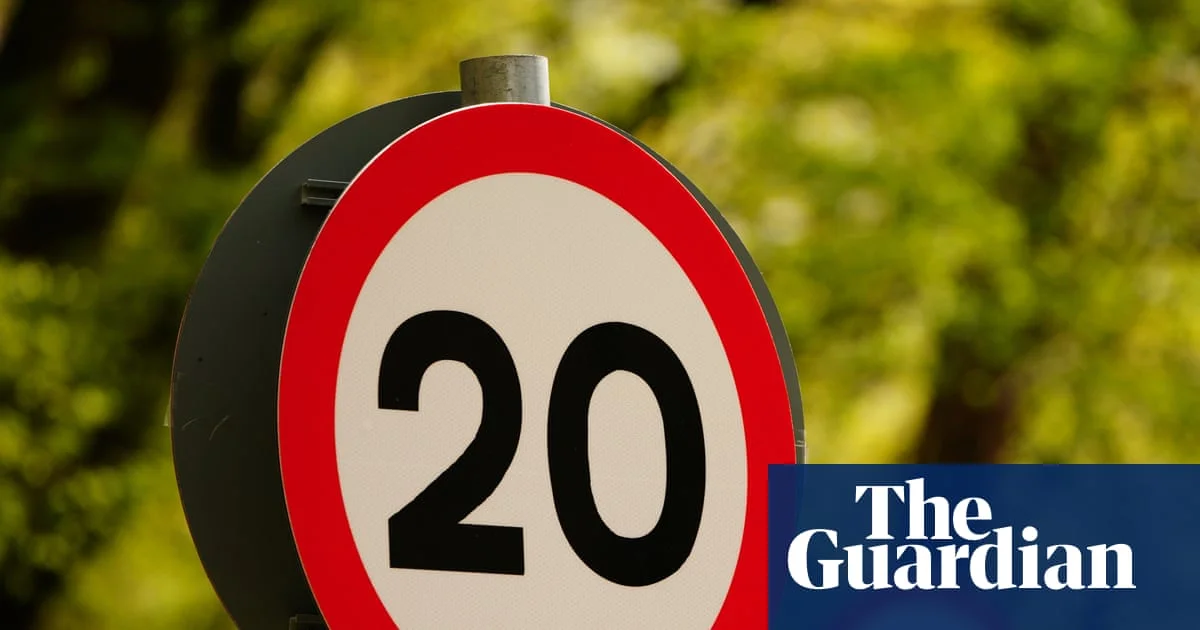
In one of the most striking signs of how the regional conflict is reshaping life thousands of miles away, the UK’s Institute for Public Policy Research (IPPR) has urged the British government to slash national speed limits. The proposal suggests a cap of 20mph in towns and 60mph on motorways. The logic is stark: by forcing drivers to slow down, the UK can drastically reduce its aggregate fuel demand, thereby mitigating the impact of skyrocketing oil prices triggered by the ongoing 'Iran war.' This is not just a policy suggestion; it is a transition to a war economy mindset in the heart of Europe.

This move highlights the deep anxiety among Western policymakers regarding energy security. As oil prices hover at elevated levels, the economic pain is pushing European voters toward the nationalist right, a trend that is expected to manifest in upcoming British local elections. For Iran, this demonstrates that the 'economic leverage' often discussed in Tehran is a double-edged sword; while it creates pressure on Western governments, it also accelerates their efforts to decouple from Middle Eastern energy dependencies through radical conservation and alternative sourcing.
Pezeshkian’s Ultimatum: Diplomacy Requires More Than Words
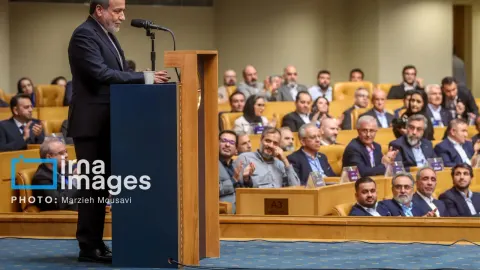
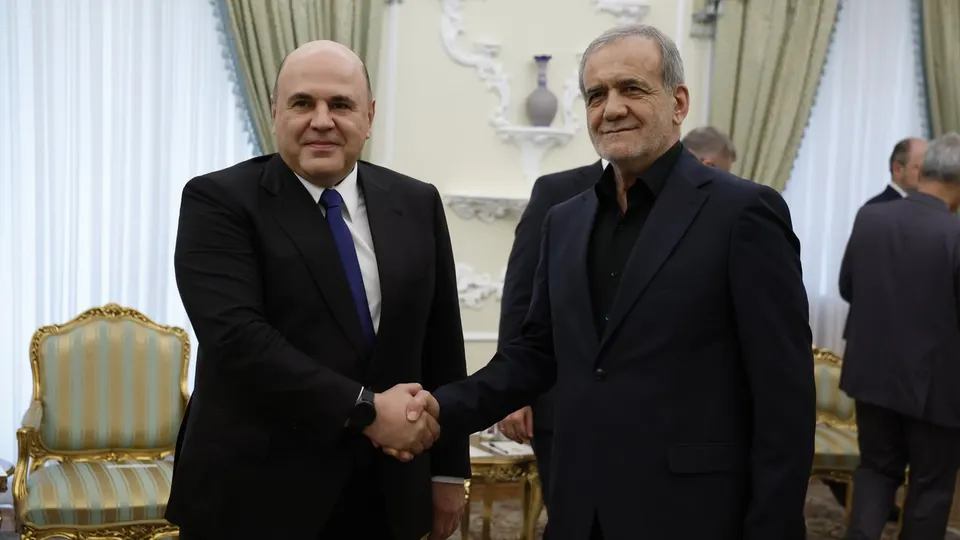
Back in Tehran, President Masoud Pezeshkian has poured cold water on the idea of easy diplomacy. In statements carried by IRNA, the President asserted that US actions—specifically the continued reliance on threats and sanctions—have effectively derailed the path of negotiation. Pezeshkian emphasized that for any meaningful dialogue to resume, there must be a definitive end to hostile actions and, crucially, a set of ironclad guarantees that the US will not renege on its commitments as it has in the past. This stance comes at a critical juncture as mediators like Pakistan attempt to turn temporary ceasefires into permanent peace.
The contrast between Tehran’s rhetoric and the market’s 'ceasefire optimism' is notable. While some equity markets are rallying on hopes of a deal, the Iranian leadership is signaling that the price of its cooperation has gone up. This gap suggests that the road to a lasting agreement remains long and fraught with risk. For investors, the takeaway is clear: do not mistake a temporary pause in hostilities for a strategic resolution. The demand for 'guarantees' remains the primary friction point that could reignite market volatility at any moment.
The Global Conscience: Boycotts and Policy Shifts
Beyond the corridors of power, the cultural and social fallout of the regional crisis is intensifying. Nobel laureate JM Coetzee has publicly declined to attend the Jerusalem international writers’ festival, citing what he described as a 'genocidal campaign' in Gaza. This move by a South African-born intellectual carries significant weight, signaling a deepening isolation of Israel in the global cultural sphere. It reflects a broader shift where the conflict is no longer viewed through a purely geopolitical lens but as a defining moral crisis for the 21st century.

Meanwhile, in Australia, the government is making its own pivots, mandating that LNG exporters reserve 20% of their gas for the domestic market to avoid shortages. Whether it is a golf course compromise in Sydney or gas mandates in Canberra, governments are increasingly prioritizing domestic stability over global trade commitments. This 'inward turn' is a direct consequence of the instability radiating from the Middle East. For the financially aware, this means the era of seamless global trade is being replaced by a fragmented world of 'strategic reserves' and 'cultural red lines,' where local policy is the only thing one can truly count on.
Frequently Asked Questions
Why is Britain considering cutting speed limits to 20mph and 60mph?
What did President Pezeshkian say about the current state of diplomacy?
Why has the global price of gold reached $4,707 per ounce?
Gold as a Safe‑Haven Asset: Why Wars Drive Prices Up
Gold has long been regarded as a safe‑haven asset – a store of value that investors turn to when confidence in stocks, bonds, or fiat currencies wanes. Unlike most commodities, gold does not deteriorate, it is globally recognised, and its supply grows only slowly through mining and recycling. These traits make it a natural hedge against uncertainty, especially the kind that erupts during armed conflict.
Historical data reinforce the link between war and gold price spikes. During World War I, the price of gold rose from roughly $20 to $35 per ounce (the 1933 Gold Reserve Act later fixed it at $35). World War II and the 1970s oil crises saw similar surges, and more recently the 2022‑2023 Ukraine war pushed gold above the $2,000 mark for the first time in a decade. Each episode reflects a collective flight to safety as investors scramble to preserve wealth amid geopolitical risk.
The mechanisms are threefold. First, conflict often fuels inflation expectations because governments finance wars through money creation or borrowing, eroding the purchasing power of paper money. Second, war can weaken currencies—especially those of nations directly involved—making gold, priced in U.S. dollars, more attractive. Third, supply disruptions (e.g., mining shutdowns or transport bottlenecks) can tighten physical availability, adding upward pressure on prices.
In the current climate, speculation about a 2026 Iran‑Israel confrontation, soaring energy prices in Europe, and volatile exchange rates for the Iranian toman have reignited talk of a $4,700 gold ceiling—a price level that, if breached, could trigger further buying pressure. Parallel narratives, such as the UK’s “war‑speed” speed‑limit debate or the hype around BTC reaching $81,000, illustrate how markets intertwine geopolitical, regulatory, and speculative forces. Understanding gold’s safe‑haven role helps investors navigate these tangled dynamics.
For anyone watching the global market recap, the key takeaway is that gold’s price is less about the metal itself and more about the psychology of risk. When war looms, confidence erodes, and gold often shines brightest as a hedge against the unknown.
Topics
Related Articles