Met Police Under Fire Over Al Fayed Probe as Gold Surges Past 20M Toman in Tehran
بازرسی از پلیس لندن در پرونده الفاید؛ طلا در بازار تهران از مرز ۲۰ میلیون تومان عبور کرد
London's Metropolitan Police face a fresh investigation over the handling of Mohamed Al Fayed’s abuse cases, while Iran’s UN mission signals that only a total end to the current conflict can secure the Strait of Hormuz. In Tehran, gold prices have surged 1.2% in 24 hours, crossing the 20 million Toman per gram mark as geopolitical risks intensify.
At time of publishing
USD
176,000
Toman
Gold 18K
20.20M
Toman / gram
Bitcoin
$81,651
US Dollar
Tether
17,483.5
Toman
Institutional Accountability: The Met Police and the Al Fayed Legacy
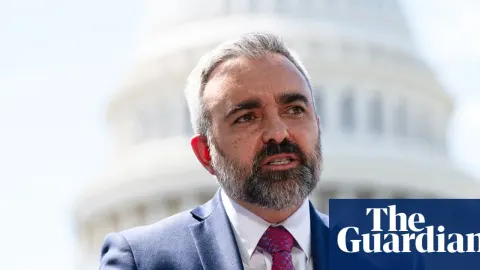
The Independent Office for Police Conduct (IOPC) has officially launched a misconduct investigation into one serving and four former Metropolitan Police officers regarding their handling of sexual abuse allegations against the late Mohamed Al Fayed. This development follows a wave of historical complaints against the former Harrods owner, who passed away in 2023. The probe centers on whether police failed to properly investigate credible leads or if institutional biases protected a high-profile billionaire from legal scrutiny during his lifetime.
For the public and the survivors, this investigation represents a critical test of the UK’s commitment to police accountability. The Met has long been under pressure to reform its internal culture, and the Al Fayed case serves as a grim reminder of how power and wealth can potentially shield individuals from justice. As the IOPC digs into the archives, the results could lead to criminal charges or severe disciplinary actions, further impacting the trust between the British public and its largest law enforcement agency.

Geopolitical Risk and the 20 Million Toman Gold Milestone
As of 11:00 Tehran time, the Iranian gold market has reached a psychological tipping point. Gold 18k per gram has risen from 19,963,987 to 20,200,609 Toman, marking a 1.2% increase in just 24 hours. This surge is occurring despite the USD/IRR exchange rate remaining flat at 176,000 Toman. The divergence suggests that the local market is reacting aggressively to global gold prices, which currently sit at a staggering $4,742.80 per ounce, and a heightened regional risk premium.
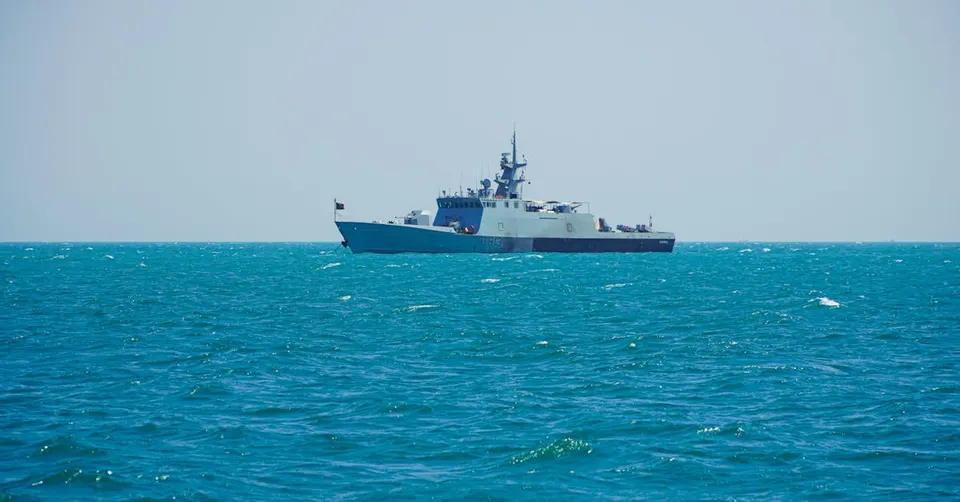
The primary driver of this anxiety is the ongoing friction in the Strait of Hormuz. Iran’s mission to the United Nations recently stated that the only durable solution to the maritime crisis is a permanent end to the war and the lifting of naval blockades. This rhetoric, combined with reports of the US firing on an Iranian-flagged tanker earlier today, has driven investors away from the Toman and into the safety of gold and coins. The Emami coin has also seen a modest rise of 0.5%, now trading at 194,000,000 Toman, as buyers hedge against further escalation.

UK Elections and the Economic Shadow of Conflict
In the United Kingdom, millions are heading to the polls today for local and regional elections across England, Scotland, and Wales. Lib Dem leader Ed Davey has framed the vote as a final chance to reject "Trump-style politics" represented by Nigel Farage’s Reform party. While domestic issues usually dominate local elections, the shadow of the Iran conflict looms large. Pat McFadden, the UK work and pensions secretary, has explicitly warned that the economic fallout from the war in the Middle East could lead to significant job losses within Britain, despite earlier signs of recovery.
This intersection of domestic politics and global warfare is creating a volatile environment for the British Pound, which is currently selling for 239,300 Toman in Tehran. Investors are watching the election results not just for a change in local governance, but for signals of how the UK's foreign policy might shift. A strong showing for populist or isolationist factions could complicate the UK's role in international coalitions, adding another layer of uncertainty to a global economy already strained by energy crunches and supply chain blockades in the Persian Gulf.
Security Operations from Australia to the Canary Islands
Global security remains on high alert as two distinct stories unfold in the southern and northern hemispheres. In Australia, a group of 11 women and children linked to the Islamic State have landed in Melbourne after years in Syrian detention camps. This repatriation is a highly sensitive political move, with the Australian Federal Police expected to make arrests and lay charges related to terrorism and slavery. Meanwhile, a different kind of crisis is unfolding at sea, as a cruise ship hit by a Hantavirus outbreak makes its way to the Canary Islands after evacuations in the Netherlands.
These events, though geographically distant, highlight the persistent nature of non-traditional security threats—ranging from the remnants of extremist ideologies to public health emergencies on international transit routes. For markets, these stories underscore the fragility of global travel and the high costs of maintaining domestic security. In Australia, even rural crime is making headlines, with thieves allegedly stealing $150,000 worth of beehives, a strange but telling indicator of how supply shortages and environmental pests are driving up the value of niche agricultural assets.
Frequently Asked Questions
Why is gold rising in Tehran while the USD exchange rate remains stable?
What is the new investigation involving the Metropolitan Police?
How does the Iran conflict affect the UK elections?
Understanding Economic Sanctions and Their Impact
Economic sanctions are powerful foreign policy tools used by countries or international bodies to influence the behavior of other states, entities, or individuals. They typically involve restrictions on trade, financial transactions, or other economic activities. The primary goal is often to compel a target to change its policies—for instance, regarding human rights, nuclear proliferation, or regional stability—without resorting to military force. These measures can range from targeted financial penalties on specific individuals or companies to comprehensive embargoes that isolate an entire nation from the global economy.
The mechanisms through which sanctions exert pressure are varied. They can restrict a country's access to international financial markets, making it difficult to conduct foreign trade, secure loans, or attract foreign investment. Trade embargoes can limit imports of essential goods and exports of key commodities, disrupting supply chains and reducing national revenue. For example, oil export restrictions can severely impact the treasury of a resource-dependent nation. These financial and trade blockades often lead to a shortage of foreign currency within the targeted country.
A direct consequence of such shortages and reduced economic activity is often severe inflation and a significant depreciation of the local currency. As the national currency loses value against major international currencies, the cost of imported goods skyrockets, fueling inflation. Citizens, seeking to preserve their wealth, often turn to more stable assets, such as gold or foreign currencies, leading to a surge in their local price. This phenomenon, where gold or other hard assets become a primary store of value, is a common indicator of a sanctioned economy grappling with currency instability and a lack of confidence in its financial system, directly reflecting the scenario where local gold prices surge significantly.
Beyond the immediate economic strain, sanctions can have profound social and humanitarian impacts, affecting the availability of medicines, food, and other necessities. While proponents argue for their effectiveness in achieving diplomatic goals, critics often highlight their potential to harm innocent populations and question their long-term efficacy in altering state behavior. Understanding economic sanctions is crucial for grasping the complex interplay between geopolitics and the daily economic realities faced by millions around the world.
Topics
Related Articles