Ohio Polls Open, Iran Tensions Simmer, Crypto Funds Surge
آغاز رایگیری در اوهایو، تنشها در ایران، افزایش سرمایهگذاری صندوقهای ارز دیجیتال
As Ohio voters head to the polls, the US political landscape is heating up, while tensions in the Strait of Hormuz continue to pose risks to regional stability and global trade. Meanwhile, venture capital is pouring into the crypto space, signaling renewed investor confidence.
At time of publishing
USD
182,100
Toman
Gold 18K
20.14M
Toman / gram
Bitcoin
$81,237
US Dollar
Tether
18,170
Toman
Ohio Votes Amidst Shifting Political Tides
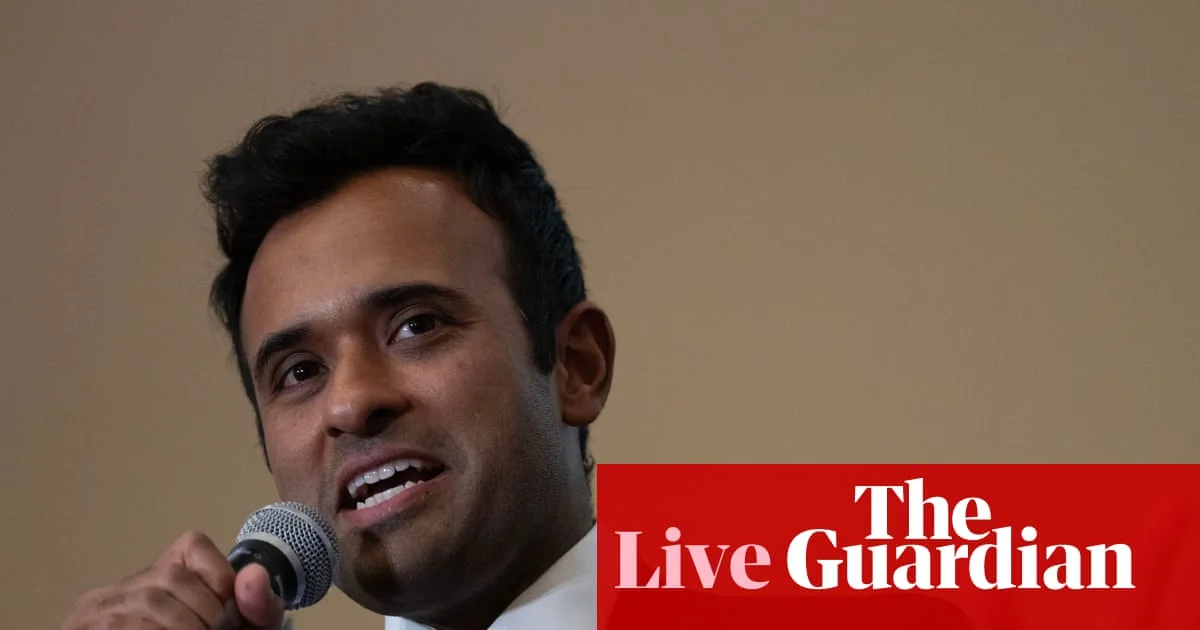
Ohio is heading to the polls today, a crucial moment for Republican hopeful Vivek Ramaswamy as he seeks to solidify his position as the party's candidate for governor. This election is not just a local affair; it serves as a barometer for broader trends within the Republican party and its appeal to swing voters. Ramaswamy's campaign, often characterized by its direct engagement with populist themes, is being closely watched to see if it can translate into electoral success in a key battleground state. The outcome could influence future campaign strategies and the direction of conservative politics nationally.
Beyond the immediate gubernatorial race, the election in Ohio carries indirect implications for international relations and economic policy. Shifts in US domestic politics, particularly within the Republican party, can shape foreign policy stances, trade negotiations, and attitudes towards international agreements. For readers in Iran, understanding these domestic political dynamics is key to anticipating potential changes in US foreign policy, sanctions regimes, and overall geopolitical risk appetite, which can, in turn, affect currency expectations, trade routes, and investment confidence in the region.

---
Iran Tensions Escalate, Threatening Strait of Hormuz Stability
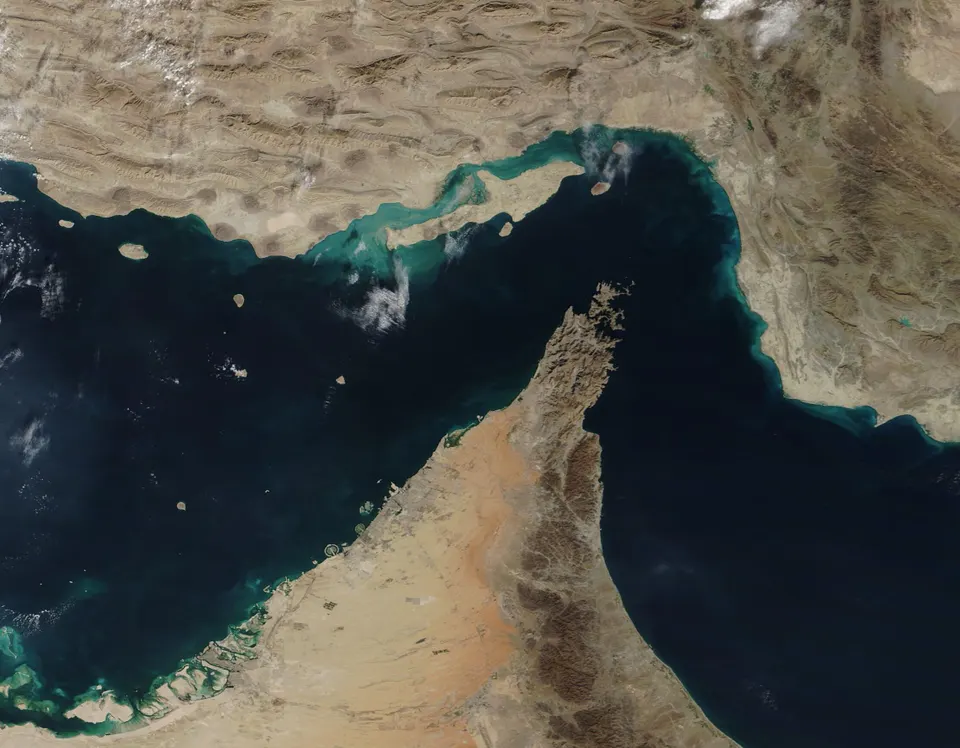
Reports indicate a significant escalation of tensions in the Strait of Hormuz, with Iranian forces reportedly firing at vessels being guided by the US Navy. This incident, occurring despite a reported ceasefire, underscores the fragility of the current situation in the Persian Gulf. The IRGC has also unveiled a new map claiming expanded control over areas around the critical chokepoint, adding another layer of complexity and risk to maritime operations. This heightened activity and territorial claims by Iran directly challenge international navigation rights and threaten to disrupt one of the world's most vital oil transit routes.
The strategic importance of the Strait of Hormuz cannot be overstated. Approximately 20% of global oil consumption passes through this narrow waterway. Any disruption, whether through direct conflict, increased insurance premiums, or rerouting of vessels, has immediate and significant ripple effects on global energy markets. For Iran, the assertive posture may be aimed at projecting strength and influencing regional dynamics, but it risks severe international repercussions, including potential sanctions and further military posturing. The current standoff raises the specter of a return to all-out conflict, which would have devastating economic and humanitarian consequences for the region and beyond.
---
Crypto Venture Capital Booms Amid AI Integration and Market Optimism
Andreessen Horowitz (a16z) has announced the successful closure of a new $2.2 billion crypto fund, signaling robust confidence in the digital asset market. This significant capital infusion comes at a time when the broader venture capital landscape is adapting to the pervasive influence of Artificial Intelligence, with firms like Haun Ventures also raising substantial funds. The a16z fund's timing suggests a belief that the fundamentals of the cryptocurrency market are strengthening, potentially driven by increased adoption of stablecoins, the growth of on-chain finance, and improving regulatory clarity in certain jurisdictions.
This surge in venture capital for crypto is particularly noteworthy given recent market volatility and past downturns. It indicates a strategic shift, with firms like a16z actively promoting their CTO to a general partner role, highlighting the increasing importance of technological expertise in evaluating and supporting crypto projects. The integration of AI is also becoming a critical factor, with companies like Coinbase undertaking restructuring that emphasizes AI-native operations to enhance efficiency and navigate market uncertainties. For investors and stakeholders in the crypto space, this influx of capital and focus on technological advancement suggests a maturing ecosystem poised for further innovation and potentially, broader market integration.

Frequently Asked Questions
What is the current situation in the Strait of Hormuz?
What is Andreessen Horowitz's new crypto fund for?
What is the significance of the Ohio gubernatorial election?
How do US political shifts impact Iran?
Why is the Strait of Hormuz so important?
The Strategic Importance of the Strait of Hormuz
The Strait of Hormuz is a narrow waterway that connects the Persian Gulf with the Gulf of Oman and the open Indian Ocean. At its narrowest point it is only about 21 nautical miles (39 km) wide, making it one of the world’s most constricted maritime chokepoints. Every day dozens of commercial vessels, from massive oil tankers to container ships, thread through this corridor, relying on its calm currents and well‑marked navigation channels.
Despite its modest size, the strait handles a disproportionate share of global energy traffic. Roughly 20 % of the world’s petroleum—about 21 million barrels per day—passes through Hormuz, along with a significant volume of liquefied natural gas and other commodities. Because the flow is so concentrated, any disruption can instantly ripple through oil markets, affecting prices from Houston to Hong Kong.
The strategic stakes are amplified by the region’s political tensions. Iran, which borders the northern shore, has repeatedly threatened to close or mine the strait in response to sanctions or perceived aggression. In turn, the United States maintains a continuous naval presence—carrier strike groups, destroyers, and maritime patrol aircraft—to ensure freedom of navigation and to deter hostile actions. Notable incidents, such as the 2019 seizure of the Portuguese‑flagged vessel MSC Sky and the 2022 near‑miss between a U.S. destroyer and an Iranian fast‑boat, illustrate how quickly the waterway can become a flashpoint.
For global commerce, the strait’s vulnerability forces ship owners to weigh higher insurance premiums, longer alternative routes around the Cape of Good Hope, or even the adoption of new technologies like autonomous drones for surveillance. While alternatives exist, they are far more costly and time‑consuming, underscoring why the Strait of Hormuz remains a barometer of both energy security and geopolitical stability.
Topics
Related Articles