Transatlantic Rift Deepens Over Iran War Strategy; USD Ticks Up to 182,500 Amid Global Market Uncertainty
شکاف عمیق میان لندن و واشینگتن بر سر جنگ ایران؛ صعود دلار به ۱۸۲,۵۰۰ تومان در پی نااطمینانیهای جهانی
UK Chancellor Rachel Reeves and US Treasury Secretary Scott Bessent reportedly clashed over the tone of the Iran conflict, signaling a major Western policy rift. Meanwhile, veteran economist Gary Shilling warns of an inevitable recession as USD/IRR rises 0.8%.
At time of publishing
USD
182,500
Toman
Gold 18K
20.23M
Toman / gram
Bitcoin
$81,480
US Dollar
Tether
18,163
Toman
Transatlantic Friction: The Reeves-Bessent Clash Over Iran
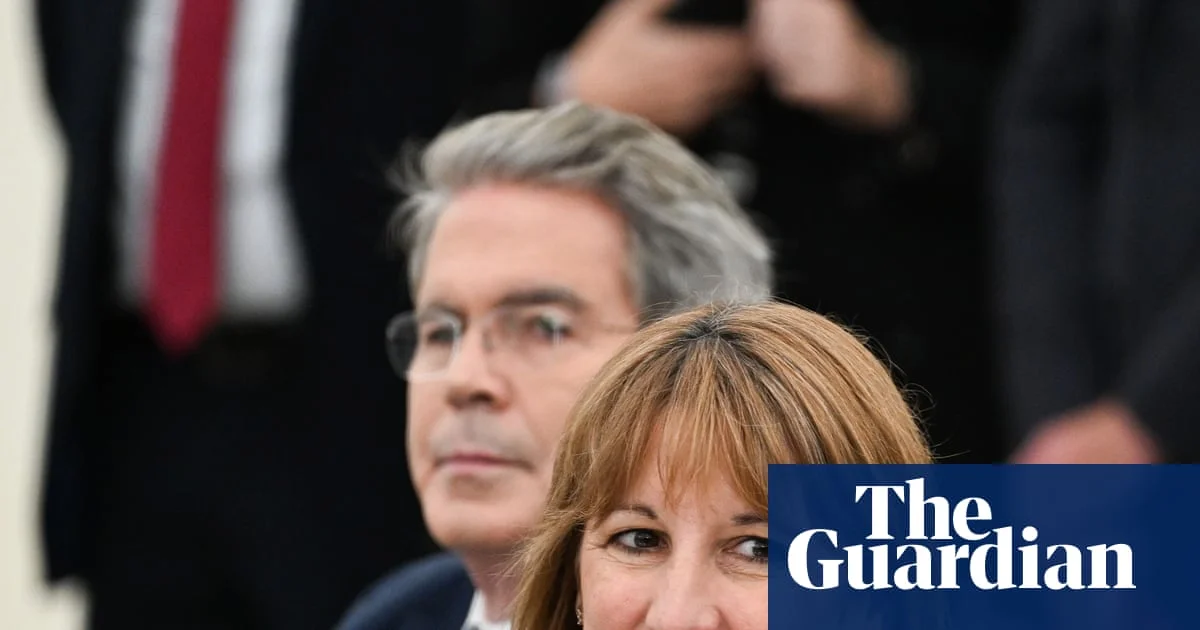
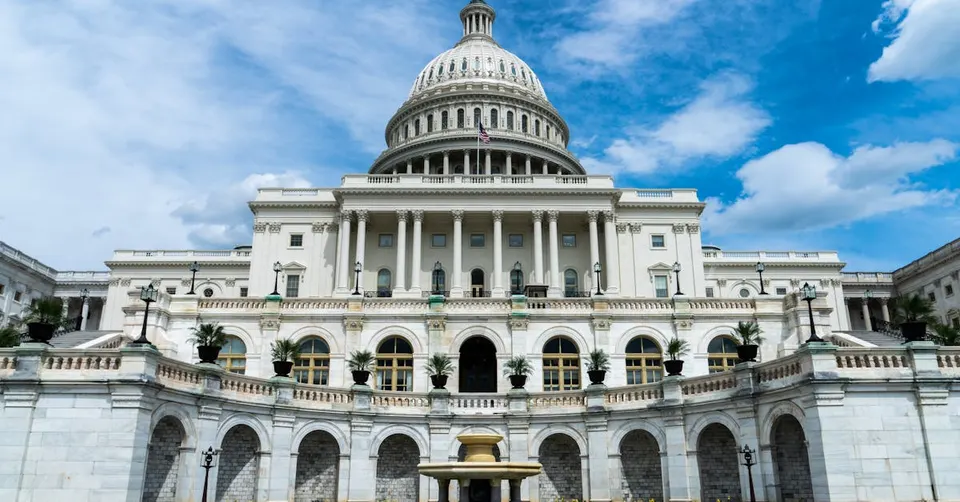
In a development that highlights the growing strain on Western alliances, UK Chancellor Rachel Reeves and US Treasury Secretary Scott Bessent reportedly engaged in a heated argument during the IMF spring meetings in Washington. The core of the dispute involves the Biden-Trump transition policy regarding the ongoing conflict with Iran. Sources indicate that Reeves expressed significant discomfort with Bessent’s aggressive tone and the 'Project Freedom' initiatives being spearheaded by the US, which the UK fears could lead to an uncontrollable regional escalation. This friction is not merely a matter of words; it represents a fundamental disagreement on the economic and military endgame in the Middle East.
For Iranian markets, this diplomatic discord is a double-edged sword. While a lack of Western unity might theoretically slow down military pressure, the resulting uncertainty is driving capital away from the Toman and into safer assets. The USD/IRR exchange rate reflected this anxiety, moving from 181,000 to 182,500, a 0.8% increase within the last 24 hours. Traders are increasingly wary that a fractured Western strategy could lead to erratic policy shifts, making the Iranian economic environment even more volatile as the US Navy continues its escort missions in the Strait of Hormuz.
Trump vs. The Vatican: A New Front in the Rhetorical War
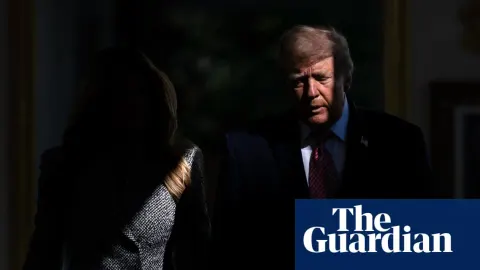
President Donald Trump has opened a surprising new front in his geopolitical campaign by directly attacking Pope Leo XIV. Trump accused the pontiff of 'endangering a lot of Catholics' due to his perceived soft stance on Iran’s nuclear program. This verbal assault comes just days before Secretary of State Marco Rubio is scheduled to meet the Pope at the Vatican. Trump’s rhetoric suggests that the US administration is unwilling to tolerate any high-profile dissent—even from moral authorities—regarding its maximum-pressure campaign against Tehran. This move is seen as an attempt to consolidate domestic and international support for a hardline military posture.
This escalation in rhetoric has immediate implications for global risk sentiment. When the President of the United States openly clashes with the Vatican over nuclear policy, it signals to the world that the 'diplomatic track' is effectively dead. Consequently, we are seeing a steady climb in gold prices as a hedge against geopolitical unpredictability. Gold 18k per gram in the local market rose from 20,130,199 to 20,225,310 (+0.5%), tracking the international trend where the gold ounce is now trading at a staggering $4,578.30. Investors are clearly pricing in a long-term conflict with no easy exit ramp.
China’s Strategic Neutrality and the Energy Pivot
While the West argues over military strategy, China is doubling down on its long-term industrial policy. Recent data shows that China’s massive investment in wind power is paying off, making the country nearly as dominant in turbines as it is in solar panels. This shift is critical for the Iranian context because it alters China’s long-term energy dependency. While Foreign Minister Abbas Araghchi is currently heading to Beijing to seek support, China’s increasing energy self-sufficiency through renewables gives it more leverage to remain 'neutral' and avoid being dragged into the economic fallout of the US-Iran war.

However, in the short term, the physical reality of the Strait of Hormuz remains the primary concern. Both the US and Iran are currently claiming control over the waterway, with the US Navy actively trading fire with Iranian small boats to keep commercial traffic flowing. The disconnect between China’s green energy future and the current oil-dependent present is creating a strange market dynamic. While oil supply threats are real, the Emami coin actually saw a significant drop, falling from 205,000,000 to 194,000,000 (-5.4%), likely due to local profit-taking and a shift in liquidity as traders move toward the rising USD.
The Recession Warning: Shilling’s 30% Crash Prediction
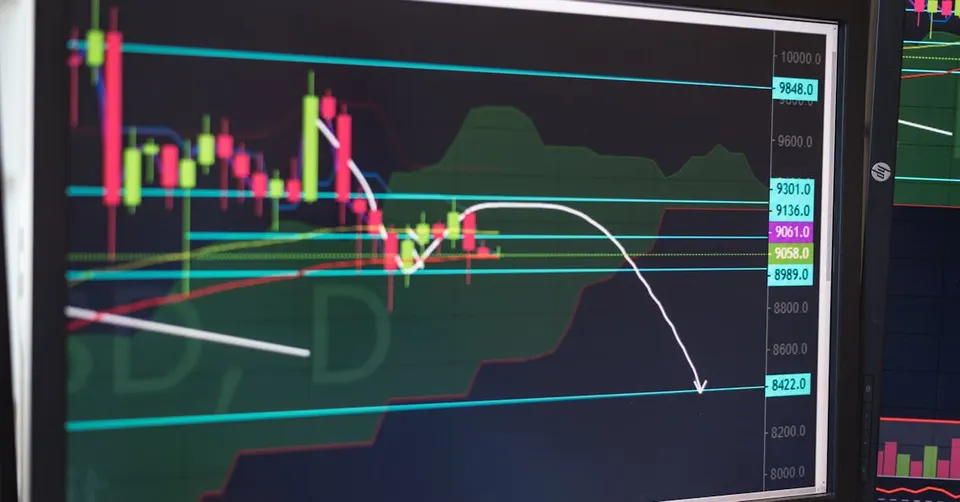
Veteran economist Gary Shilling has issued a dire warning, stating that a global recession is 'almost inevitable.' Shilling predicts that stocks could fall by as much as 30% as the lagged effects of high interest rates and war-induced inflation finally hit the consumer. This macro-economic backdrop is complicating the crypto market's attempt at a sustained breakout. Although Bitcoin (BTC) managed to absorb $200 million in profit-taking at the $80,000 level and currently sits at $81,480, the threat of a broader systemic recession remains the ultimate 'black swan' event for digital assets.
For the average observer in Tehran, Shilling’s warning serves as a reminder that the current currency crisis is part of a larger global instability. If a major recession hits the US and Europe, the demand for oil—and the efficacy of sanctions—could shift in unpredictable ways. Currently, the market is characterized by extreme fragmentation: while Bitcoin holds steady and the USD rises, local assets like the Emami coin are experiencing sharp corrections. This suggests that the 'smart money' is consolidating into the most liquid and globally recognized stores of value as the world braces for a potential economic downturn combined with regional warfare.
Frequently Asked Questions
Why did the UK Chancellor and US Treasury Secretary argue?
Why is the Emami coin falling while USD is rising?
What is Gary Shilling's recession forecast for 2026?
How is China responding to the Iran-US naval escalation?
Why the Strait of Hormuz Matters for the Global Economy
The Strait of Hormuz is a narrow waterway – only about 21 nautical miles (39 km) wide at its narrowest point – that links the Persian Gulf with the open ocean. It lies between the Iranian coast to the north and the United Arab Emirates and Oman to the south. Because it is the only sea route through which the Gulf’s oil‑rich nations can export their petroleum, the strait handles roughly one‑fifth of the world’s total oil consumption on a daily basis.
According to the U.S. Energy Information Administration, about 20 million barrels of crude oil and 5 million barrels of petroleum products pass through the strait each day. The bulk of this flow comes from Saudi Arabia, Iraq, the United Arab Emirates, Kuwait and Iran. When the waterway runs smoothly, oil prices stay relatively stable; any hint of a blockage can cause rapid price spikes, which in turn push the U.S. dollar higher as investors seek a safe‑haven currency.
The strategic importance of the Hormuz corridor has made it a flashpoint for geopolitical tension. In 1987, Iran’s forces mined the strait during the Iran‑Iraq war, and in 2019 the United States and Iran exchanged threats after a series of vessel‑seizure incidents. More recently, the threat of Iranian missile strikes or the deployment of naval mines has been cited in Western security assessments as a catalyst for a potential “oil shock,” a scenario that could trigger a recessionary spiral in 2026, as forecasters like Gary Shilling warn.
Because the strait is a chokepoint for energy supplies, any disruption reverberates through global financial markets. A sudden dip in oil shipments can tighten global liquidity, lift commodity prices, and increase demand for the dollar, which is the primary invoicing currency for oil. This dynamic helps explain why headlines linking a “transatlantic rift” over Iran’s war strategy often coincide with a rising USD index, as investors price in the risk of supply interruptions.
Topics
Related Articles