China Demands Open Hormuz as Oil Dives 8% on U.S.-Iran Peace Rumors
فشار چین برای بازگشایی هرمز؛ ریزش ۸ درصدی قیمت نفت در پی شایعات توافق ایران و آمریکا
Oil prices have plummeted below $100 as reports emerge of a potential U.S.-Iran memorandum of understanding, while China's top diplomat urges Foreign Minister Araghchi to reopen the Strait of Hormuz immediately. In Tehran, the USD has dropped 2.4% to 176,900 Toman as market optimism clashes with geopolitical tension.
At time of publishing
USD
176,900
Toman
Gold 18K
20.14M
Toman / gram
Bitcoin
$82,163
US Dollar
Tether
17,470.3
Toman
Beijing’s Patience Wanes: China Demands Reopening of the Strait
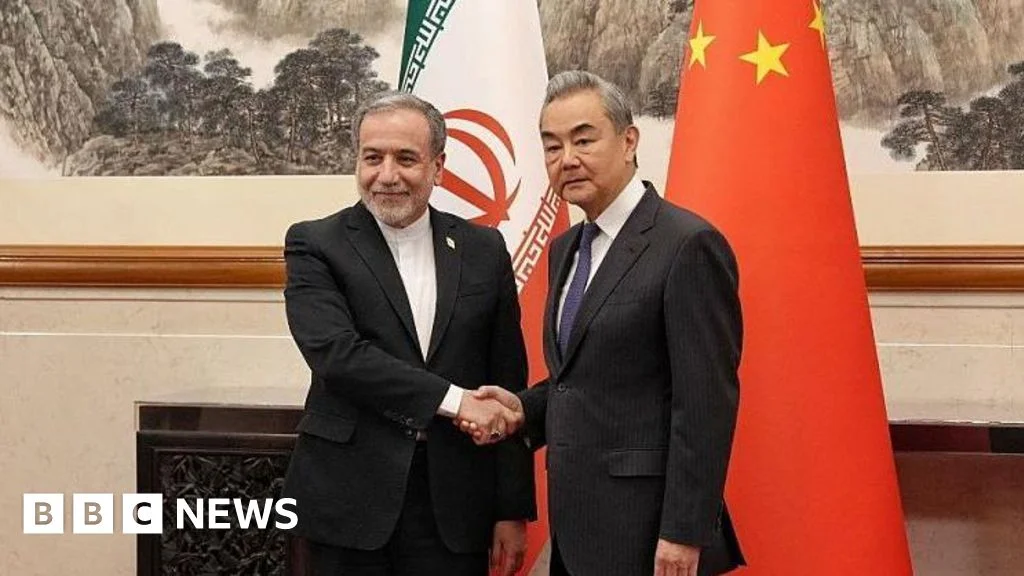
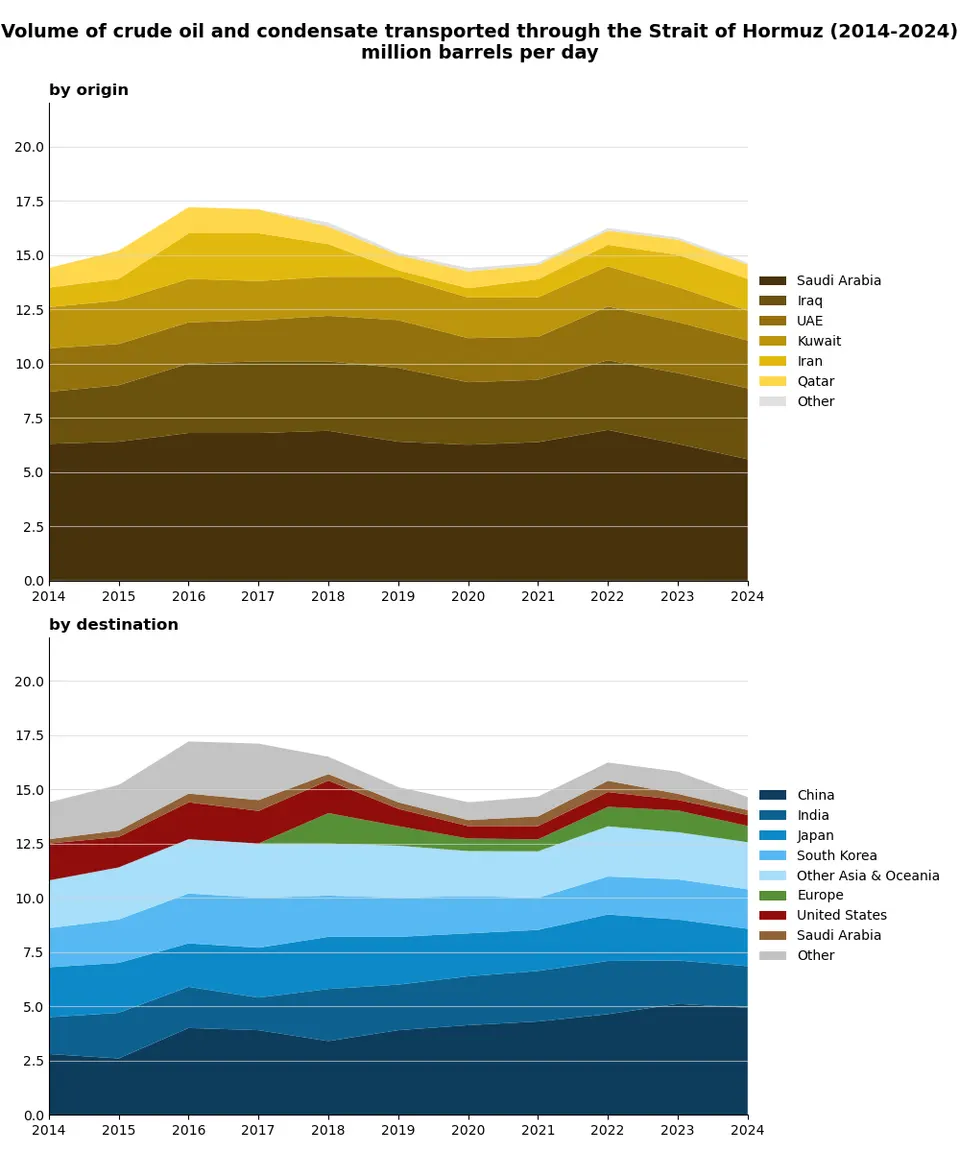
In a high-stakes diplomatic encounter in Beijing, China’s top diplomat Wang Yi has formally called for the immediate reopening of the Strait of Hormuz during talks with Iranian Foreign Minister Abbas Araghchi. This meeting marks Araghchi’s first visit to China since the recent regional escalation began, and the tone from Beijing has shifted from quiet mediation to urgent demand. The U.S. has reportedly been pressuring China to use its significant economic leverage over Tehran to ensure the waterway—a vital artery for global energy—remains functional.
For China, this is not merely a matter of international law but of domestic survival. As the world’s largest importer of crude oil, any prolonged disruption in the Persian Gulf threatens China’s industrial stability and its fragile post-pandemic economic recovery. Wang Yi’s warning against the "restarting of hostilities" suggests that Beijing is increasingly weary of being caught in the crossfire of a Trump-led naval blockade and Tehran’s retaliatory measures. This public stance puts significant pressure on the Iranian delegation to find a face-saving exit from the current maritime standoff.
Oil Markets Crater as Peace Rumors Swirl
The global energy market experienced a localized earthquake today as crude-oil futures collapsed by 8%, diving below the psychologically critical $100 mark. This massive sell-off was triggered by reports that President Donald Trump has paused his "Project Freedom" naval operations in the Gulf to allow for a diplomatic window. Rumors of a memorandum of understanding (MoU) between Washington and Tehran to end the current hostilities have sent algorithmic traders into a frenzy, unwinding the "war premium" that had kept prices elevated for weeks.
In Tehran, the impact was immediate. The USD/IRR rate, which has been a primary barometer of local anxiety, fell from 181,300 to 176,900 Toman, a sharp 2.4% decrease in just 24 hours. While Gold 18k per gram managed a slight 0.6% gain to reach 20,135,047 Toman—driven by a surge in global spot gold to $4,703.60—the Emami coin fell 0.5% to 194,000,000 Toman. This divergence suggests that while local currency fear is easing due to peace rumors, the global appetite for gold as a hedge against long-term inflation remains robust.
Tech Resilience: Samsung Hits $1 Trillion Amid AI Supercycle
While the world focuses on the geopolitical drama in the Middle East, the technology sector continues to rewrite history. Samsung Electronics has officially reached a $1 trillion market capitalization, fueled by an insatiable global demand for high-bandwidth memory (HBM) chips required for artificial intelligence. This milestone places Samsung in an elite bracket of global titans and underscores the fact that the AI revolution is decoupled from regional conflicts. Even as airlines cut 13,000 flights due to high fuel costs, the data centers powering the next generation of LLMs are expanding at an unprecedented rate.
In the crypto space, Bitcoin has climbed above $82,000, benefiting from the broader market rally and a slightly weaker US dollar. Interestingly, crypto exchanges like OKX are now offering perpetual futures for private giants like OpenAI and SpaceX, allowing retail traders to speculate on the valuation of the AI industry without direct equity ownership. This "pre-IPO frenzy" indicates that despite the risks of war, investor capital is still aggressively seeking growth in the tech sector. For the Iranian investor, this suggests that the 2026 market is no longer just about gold and currency; it is increasingly defined by the intersection of AI-driven productivity and decentralized finance.
The Polanski Controversy: Geopolitics Hits UK Domestic Politics
The ripples of the Iran-US conflict are reaching far beyond the Persian Gulf, manifesting in the heated domestic politics of the United Kingdom. Green Party leader Zack Polanski has come under fire for comments regarding the arrest of a suspect in the Golders Green stabbings, with Labour accusing him of sympathizing with individuals threatening public safety. More importantly, Polanski’s interview highlighted how the "Iran war" has become a central pillar of economic forecasting in London. Markets had been pricing in interest rate cuts for later this year, but the volatility in the energy sector caused by the Hormuz crisis has thrown those projections into chaos.
This domestic friction in the UK serves as a reminder that the global economy is tightly interconnected. When the Strait of Hormuz is threatened, it isn't just oil prices that move; it's the political viability of leaders in London, the storage capacity of Chrome browsers (now reportedly hogging 4GB for on-device AI), and the survival of local businesses in Mexico City protesting "US takeovers." For our readers, the takeaway is clear: we are in an era where a diplomatic cable from Beijing can affect the price of a gold coin in Tehran and the interest rate on a mortgage in Birmingham simultaneously.
Frequently Asked Questions
Why did oil prices drop 8% today?
What is China's official stance on the Strait of Hormuz blockade?
How did the Tehran currency market react to these developments?
Why is Samsung hitting a $1 trillion market cap now?
Topics
Related Articles