Rubio Awaits Iran Response Amid NATO Base Rifts; Apple Bull Predicts 37% AI Surge as Toman Hits 177,300
ضربالاجل روبیو برای پاسخ ایران و تنش در ناتو؛ پیشبینی جهش ۳۷ درصدی سهام اپل همزمان با دلار ۱۷۷ هزار تومانی
Secretary of State Marco Rubio has signaled that the U.S. expects a definitive response from Tehran today regarding the standing peace proposal, even as friction grows with NATO allies over military base access. Meanwhile, tech markets remain defiant with analysts predicting a massive AI-driven rally for Apple.
At time of publishing
USD
177,300
Toman
Gold 18K
20.24M
Toman / gram
Bitcoin
$79,779
US Dollar
Tether
17,838.8
Toman
The Friday Deadline: Rubio, Rome, and the NATO Rift
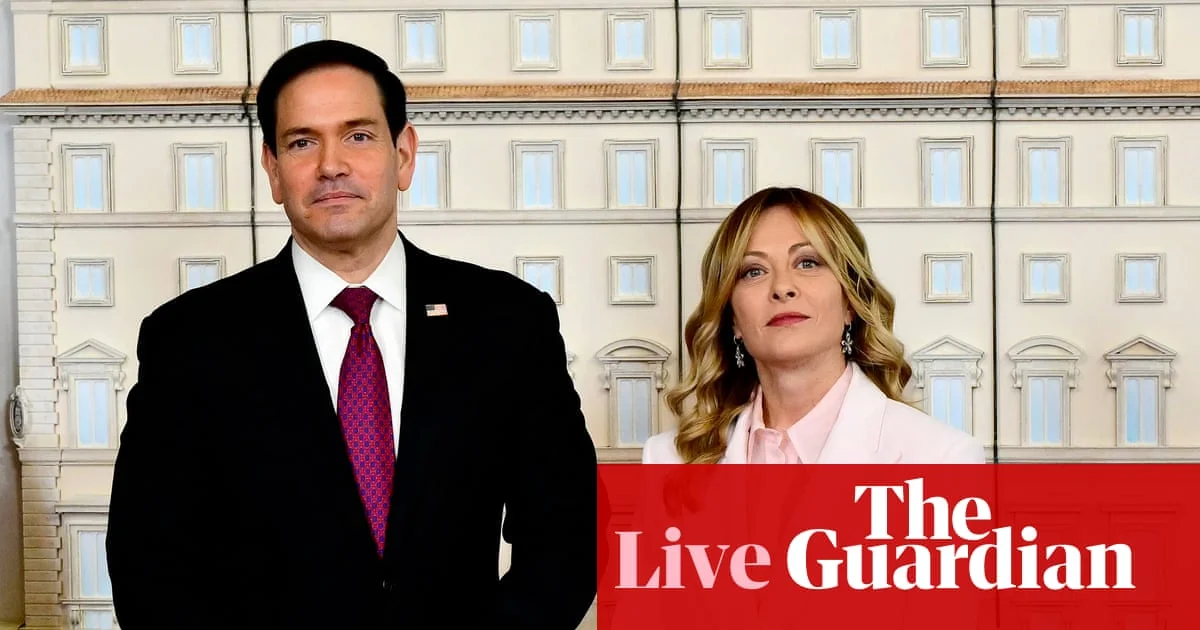
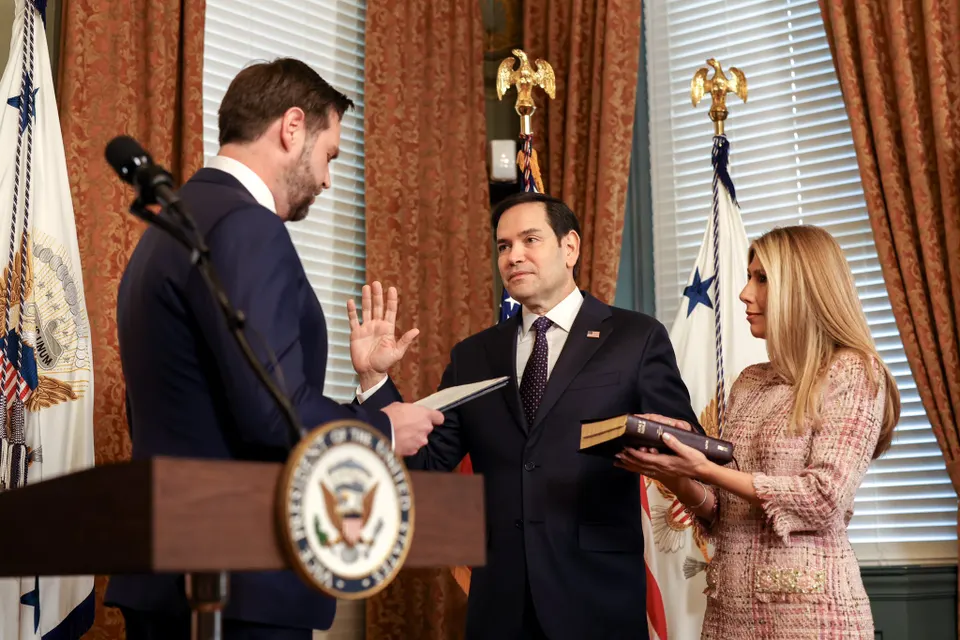
As the clock ticks toward the end of the business day in Washington and Tehran, Secretary of State Marco Rubio has intensified the pressure on the Iranian leadership. Speaking from Rome following a high-stakes meeting with Italian Prime Minister Giorgia Meloni, Rubio stated that the United States expects a formal response to its latest peace proposal by the end of Friday. This diplomatic push is occurring against a backdrop of internal Western friction; Rubio openly admitted that NATO’s reluctance to grant the U.S. permission to use European bases for Middle Eastern operations is becoming a significant strategic "problem." This hesitation reflects a growing divide between Washington’s assertive stance and a European continent wary of being dragged into a direct conflict that could further destabilize global energy markets.
The tension is not just geopolitical but also ideological. Rubio’s visit to Italy was partly aimed at mending relations with the Vatican after Donald Trump’s public criticism of Pope Leo XIV’s stance on the Iran war. For the Iranian market, this diplomatic deadlock has kept the Toman on a knife-edge. The USD sell rate moved from 176,700 to 177,300 (+0.3%) over the last 24 hours, signaling that traders are hedging their bets ahead of the expected response. If Tehran’s reply is seen as non-committal or aggressive, the slight upward trend in the dollar could transform into a more volatile surge as the weekend begins.
Aviation Under Pressure: EU Blocks Hidden Fuel Fees
The economic fallout of the conflict has hit the aviation sector particularly hard, prompting the European Commission to take a firm stand against predatory pricing. EU spokeswoman Anna-Kaisa Itkonen announced in Brussels that airlines are strictly prohibited from adding fuel surcharges to tickets that have already been purchased. As jet fuel prices remain elevated due to the instability in the Strait of Hormuz, many carriers have attempted to pass these costs directly to consumers. The EU’s ruling serves as a vital consumer protection measure, ensuring that the financial burden of the regional war does not result in retroactive charges for travelers who have already committed to their itineraries.
However, this regulation does little to lower the overall cost of travel. While retroactive fees are banned, the base price of international flights—especially those connecting the Middle East to Europe—continues to climb. For the Iranian diaspora and business travelers, this means that while their existing tickets are safe, any new bookings will reflect the "war premium" currently baked into global energy prices. This situation mirrors the broader inflationary pressure seen in the Iranian domestic market, where Gold 18k/gram rose to 20,244,240 Toman (+0.4%), tracking both global gold strength and local currency depreciation.

Tech Resilience: Apple’s AI Supercycle vs. Market Gloom
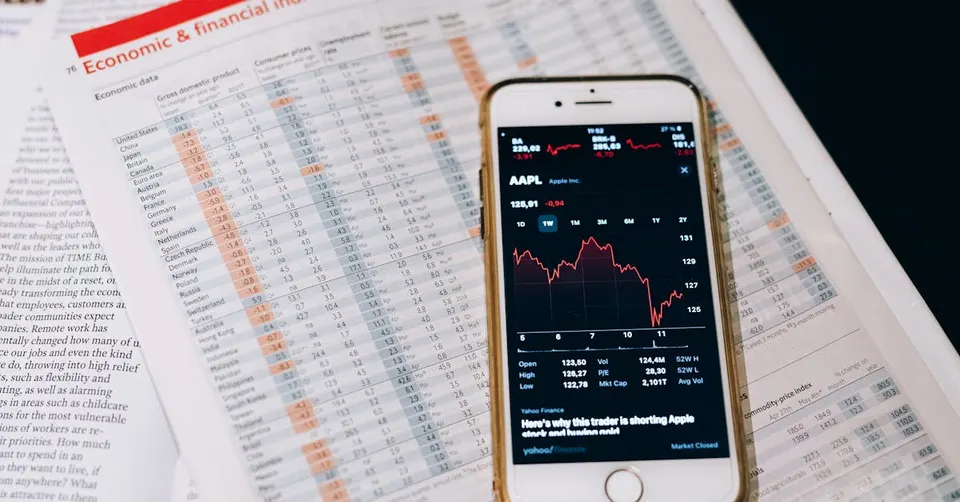
In a stark contrast to the geopolitical gloom, the technology sector is finding renewed vigor through the promise of artificial intelligence. Daniel Ives of Wedbush, one of Apple’s most prominent bulls, has issued a bold prediction for a 37% jump in the company’s stock price. Ives points to the upcoming Worldwide Developers Conference (WWDC) as a "major inflection point," where Apple is expected to integrate generative AI across its ecosystem. This optimism suggests that institutional investors are increasingly looking past regional conflicts, betting instead on a long-term technological transformation that could redefine consumer electronics and software productivity.
This bullish sentiment is also echoing in the gaming and crypto sectors. Sony recently highlighted AI as a "powerful tool" to streamline game development for the PlayStation, while Bitcoin (BTC) remains robust at $79,779 despite some technical indicators suggesting the market is "overbought." For the savvy investor, this creates a complex landscape: while traditional commodities like gold and oil are reacting to the immediate threats in the Middle East, the "AI supercycle" is providing a speculative hedge. The convergence of these two realities—war-driven inflation and tech-driven growth—will likely define the market's direction as we move into the second half of May.
Regional Maneuvers: The Tehran-Ankara Dialogue
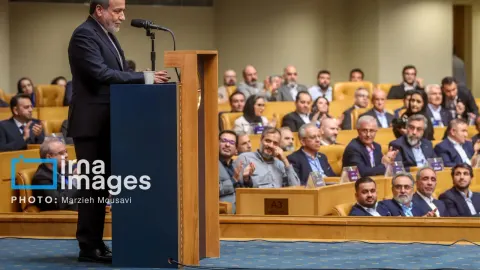
While Washington waits for a response, Tehran is busy shoring up its regional alliances. Foreign Minister Abbas Araghchi held a significant telephone conversation with his Turkish counterpart today to discuss the rapidly evolving situation. Turkey, which serves as a critical economic bridge for Iran, has a vested interest in preventing a total collapse of the regional ceasefire. These talks likely focused on maintaining trade corridors and ensuring that the spillover from the maritime tensions in the Persian Gulf does not halt the flow of goods across the Iranian-Turkish border.
For the domestic observer, these diplomatic movements are just as critical as the statements coming out of Rome or Washington. A stable relationship with Ankara often acts as a psychological floor for the Toman. If Turkey signals continued economic cooperation despite U.S. pressure, it could mitigate some of the panic buying seen in the currency markets. However, with the Emami coin holding steady at 195,000,000 Toman, it is clear that the market is in a "wait and see" mode, refusing to move significantly until the results of the Friday deadline are made public.
Frequently Asked Questions
Why is Marco Rubio's 'Friday deadline' critical for markets?
What is the new EU ruling on airline fuel surcharges?
How is Apple's stock predicted to rise 37% during a war?
Why is NATO refusing the US permission to use its bases?
Geopolitical Risk and Currency Depreciation: The Case of the Iranian Toman
The news of the Iranian Toman hitting 177,300 against the US dollar, juxtaposed with discussions of Iran's response to geopolitical tensions and potential NATO rifts, highlights a critical economic concept: the profound impact of geopolitical risk on a nation's currency value. For countries facing international sanctions, political isolation, or the threat of conflict, their national currency often bears the brunt of this instability, leading to significant depreciation and economic hardship for their citizens.
Geopolitical risks manifest in several ways that directly undermine a currency's stability. The threat of sanctions, for instance, deters foreign investment, restricts access to international markets, and limits a country's ability to earn foreign currency through exports. This reduces the demand for the local currency on global exchanges. Furthermore, political uncertainty and the potential for conflict, such as a crisis in the Strait of Hormuz, can trigger capital flight as investors and even ordinary citizens seek to move their assets into more stable foreign currencies, further driving down the local currency's value.
For the Iranian Toman, a history of international sanctions and ongoing geopolitical tensions have created a persistent environment of economic instability. When the Toman depreciates sharply, the cost of imported goods, from raw materials for industries to essential consumer products, skyrockets. This fuels inflation, eroding the purchasing power of households and making daily life significantly more expensive. Businesses struggle with higher input costs and reduced consumer demand, often leading to economic stagnation and job losses.
Understanding this interplay between geopolitics and currency value is crucial for comprehending the economic challenges faced by nations under pressure. It's not merely an abstract financial figure; it's a direct reflection of a country's standing on the global stage and the tangible economic consequences for its populace.
Topics
Related Articles