Oil Slick Hits Kharg Hub as 'One-Page' Peace Plan Reaches Tehran; Trump Brokers 3-Day Ukraine Ceasefire
نشت نفت در خارگ همزمان با ارسال طرح صلح یکصفحهای به تهران؛ اعلام آتشبس اوکراین توسط ترامپ
A mysterious oil slick near Kharg Island threatens Iran's energy hub just as a 14-point 'One-Page' peace memorandum reaches Tehran via Pakistani mediators. Meanwhile, Donald Trump has announced a surprise three-day ceasefire in Ukraine, fundamentally shifting global risk sentiment and holding Bitcoin near the $80,000 threshold.
At time of publishing
USD
176,700
Toman
Gold 18K
20.19M
Toman / gram
Bitcoin
$80,167
US Dollar
Tether
17,753.9
Toman
The Kharg Island Crisis: Environmental Threat or Infrastructure Decay?
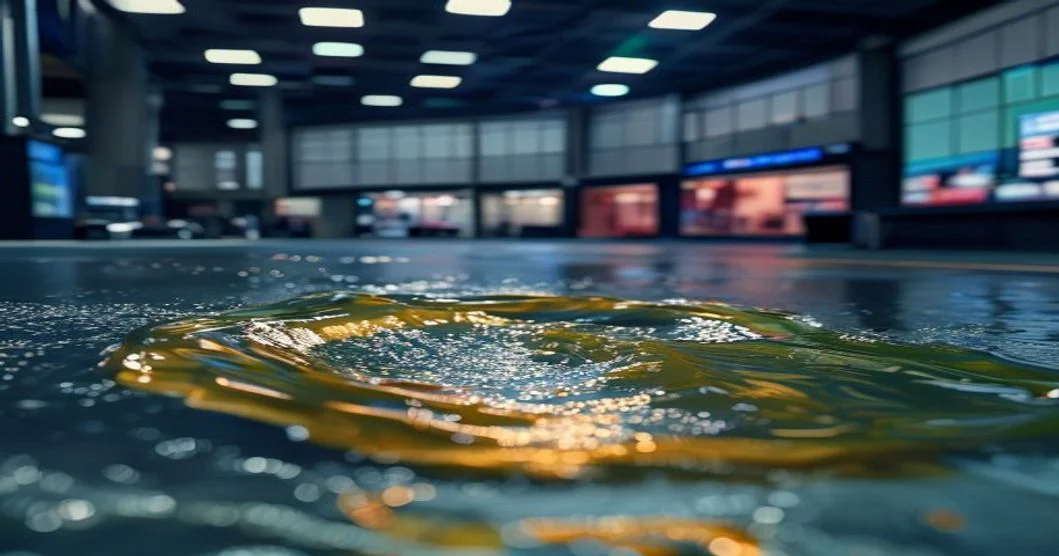
Satellite imagery has confirmed a significant oil slick spreading off the coast of Kharg Island, Iran’s most critical maritime energy terminal. At a time when the Persian Gulf is already a tinderbox, the appearance of this slick raises urgent questions about the integrity of Iran’s aging oil infrastructure. While the exact cause remains unconfirmed, the incident follows a week of high-intensity maritime friction, including U.S. Central Command's targeted strikes on empty Iranian-flagged tankers that were allegedly attempting to breach the naval blockade. The environmental hazard now complicates an already paralyzed shipping lane where dozens of vessels remain stuck due to the ongoing regional stalemate.
For the average Iranian reader, this development is more than an ecological concern; it is a direct threat to the country's economic lifeline. Kharg Island handles the vast majority of Iran's crude exports, and any disruption—whether from mechanical failure or tactical strikes—immediately impacts the government's hard currency revenue. The Toman has remained remarkably flat today at 176,700 per USD (+0.0%), suggesting that the market is currently in a 'wait-and-see' mode, balancing the fear of infrastructure damage against the hope of a diplomatic breakthrough. However, if the slick indicates a major leak that forces a terminal shutdown, the stability of the currency could face its most severe test since the conflict began ten weeks ago.
The 'One-Page' Peace Plan and Vatican Diplomacy
In a dramatic turn for regional diplomacy, reports have emerged of a 14-point "memorandum of understanding" aimed at ending the Iran-US conflict. Crafted by Steve Witkoff and Jared Kushner, this so-called 'One-Page Peace Plan' has reportedly been delivered to Tehran via Pakistani mediators. The document arrives at a critical juncture, following a month of bloody stalemate and intermittent skirmishes in the Strait of Hormuz. While the contents of the 14 points remain largely confidential, the involvement of Kushner suggests a return to the transactional, high-stakes diplomacy that characterized the first Trump administration, aiming to bypass traditional bureaucratic channels to achieve a rapid de-escalation.
Parallel to these back-channel talks, U.S. Secretary of State Marco Rubio met with Pope Leo at the Apostolic Palace in the Vatican. This meeting is widely viewed as an attempt to mend relations between Washington and the Holy See after months of public friction, while also enlisting the Vatican’s moral authority to support the peace process. The Vatican’s official statement emphasizing the "need to work tirelessly in favor of peace" adds a layer of international legitimacy to the ongoing negotiations. For markets, this flurry of high-level activity is the primary reason gold has seen only a marginal move to 20,186,758 Toman per gram (+0.1%), as traders weigh the possibility of a sudden cessation of hostilities against the reality of ongoing naval strikes.
Trump’s Ukraine Ceasefire and the $80,000 Bitcoin Battle
Beyond the Middle East, Donald Trump has once again disrupted the global geopolitical landscape by announcing a surprise three-day ceasefire in the Russia-Ukraine war, set to begin on May 9th. The announcement, made via Truth Social, includes a total suspension of "kinetic activity" and a massive prisoner swap involving 1,000 soldiers from each side. This move is interpreted as a strategic attempt by the U.S. administration to clear the global deck, potentially allowing more focus on the Iran crisis or signaling a broader shift toward isolationist deal-making. The immediate effect has been a stabilization of global risk assets, as the prospect of even a temporary pause in one of the world's largest conflicts provides a much-needed breather for international trade.
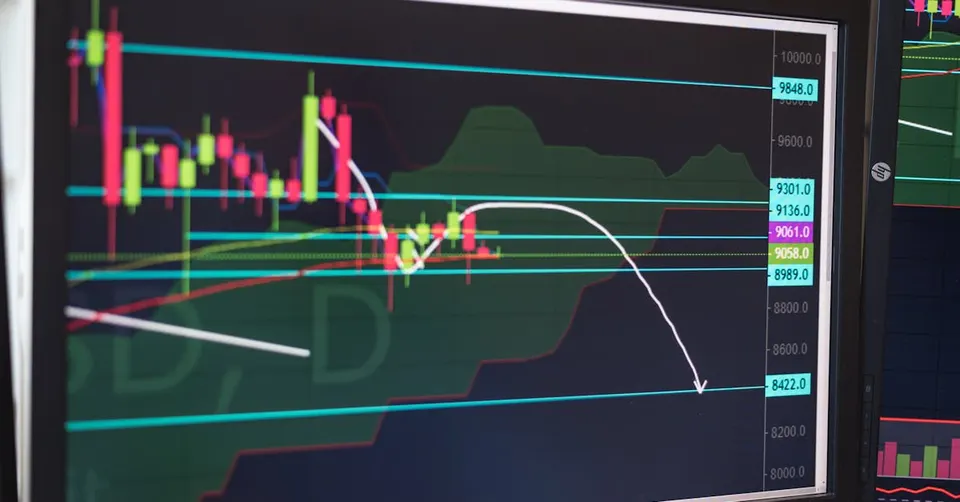
In the cryptocurrency markets, Bitcoin (BTC) continues to battle for control of the $80,167 level. While some analysts warn of accelerating profit-taking as BTC hits a three-month high, the surprise Ukraine ceasefire has provided a "healthy bullish backtest" for the digital asset. Crypto markets are increasingly sensitive to these geopolitical pivots; a reduction in global tension often leads to a rotation of capital from safe havens like gold into high-growth assets like BTC. For Iranian investors holding USDT—currently priced at 17,754 Toman—the combination of a stable domestic exchange rate and a surging Bitcoin presents a rare window of portfolio growth, provided the 'One-Page' peace plan doesn't lead to a sudden, sharp correction in the dollar's value.
Frequently Asked Questions
What caused the oil slick near Kharg Island?
What is the 'One-Page Peace Plan' mentioned in reports?
How did the Toman react to the peace plan news?
Will the Ukraine ceasefire affect oil prices?
How U.S. Secondary Sanctions Shape Iran's Oil Industry and Currency
The United States has long used secondary sanctions to pressure countries that do business with Iran’s oil sector. Unlike primary sanctions, which directly prohibit U.S. persons from dealing with designated Iranian entities, secondary sanctions threaten non‑U.S. firms with being cut off from the U.S. financial system if they continue to provide goods, services, or financing to Iran’s oil and gas companies. This tool effectively forces banks, insurers, and shipping firms worldwide to choose between lucrative Iranian contracts and access to the global dollar market.
When secondary sanctions are applied, Iranian oil exporters face a cascade of operational hurdles. Shipping companies may refuse to transport crude, insurers may withdraw coverage, and foreign buyers often demand payment in cash or via alternative currencies. The result is a sharp contraction in Iran’s oil export volumes, as seen after the 2018 reinstatement of U.S. sanctions, which pushed exports from about 2.5 million barrels per day to under 1 million barrels per day within a year. Reduced export earnings limit the government’s ability to earn foreign currency, putting downward pressure on the Iranian rial (IRR).
The rial’s depreciation is both a symptom and a catalyst of economic strain. As oil revenues dry up, the state’s foreign‑exchange reserves shrink, forcing the Central Bank to devalue the currency to meet import needs. This creates a feedback loop: a weaker rial raises the cost of imported goods, fuels inflation, and erodes public confidence, which in turn makes it harder for the government to fund its oil‑related infrastructure—such as the Kharg Island hub—leading to incidents like oil slicks that further damage the sector’s reputation.
Understanding secondary sanctions is crucial for investors and policymakers alike. While they aim to isolate Iran’s oil market, the sanctions also generate collateral effects, including heightened geopolitical tension in the Persian Gulf, disruptions to global oil supply chains, and volatility in related assets such as the USD/IRR exchange rate and even speculative markets like Bitcoin, which some Iranians turn to as a hedge against currency risk.
Topics
Related Articles