Hormuz Hopes Drive Oil Down, Bitcoin Up; Iran Presses Legal Cases
امیدها به بازگشایی هرمز، نفت را ارزان و بیتکوین را گران کرد؛ ایران پروندههای حقوقی را پیگیری میکند
Hopes for a reopening of the Strait of Hormuz have sent oil prices plummeting below $100 a barrel, while Bitcoin surged above $82,000 on reports of a potential US-Iran agreement. Meanwhile, Iran has submitted 35 cases of alleged humanitarian law violations to the International Criminal Court.
At time of publishing
USD
174,900
Toman
Gold 18K
19.83M
Toman / gram
Bitcoin
$82,363
US Dollar
Tether
17,626
Toman
Strait of Hormuz Reopening Hopes Send Oil Below $100, Bitcoin Surges
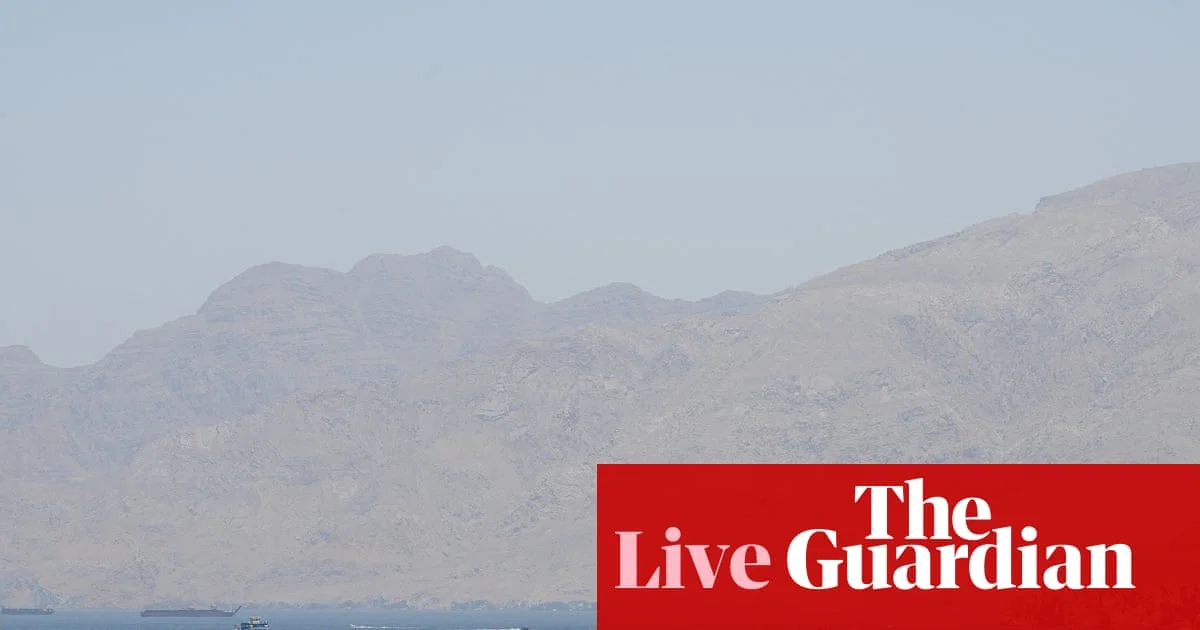
Fears of a prolonged conflict in the Strait of Hormuz have dramatically subsided today, leading to a sharp decline in global oil prices. Brent crude has fallen 10% to $98 a barrel, with WTI dropping over 12% to $89. This market reaction is directly tied to reports suggesting a potential US-Iran agreement to de-escalate tensions and ensure the free passage of vessels. President Trump has reportedly halted 'Project Freedom,' a naval operation aimed at escorting ships through the strait, citing "great progress" towards a "complete and final agreement."
This dramatic shift in market sentiment has had a ripple effect across other asset classes. Bitcoin, often sensitive to geopolitical risk and energy market stability, has surged above $82,000, reaching a three-month high. The cryptocurrency's climb is seen as a direct beneficiary of reduced global uncertainty. For Iran, the potential reopening of the Strait of Hormuz is a critical development. It suggests a possible easing of sanctions and a path towards normalizing trade, which could have a significant positive impact on the Iranian Toman's exchange rate and the broader economy. The price drops in oil, while beneficial for global consumers and potentially easing inflationary pressures, also represent a loss of revenue for major oil-producing nations.
--- ## Iran Pursues Legal Avenues Over Alleged War Crimes
In parallel to the diplomatic and market shifts, Iran has taken a strong stance on the international legal stage. The head of the Iranian Red Crescent Society announced that 35 documented cases of International Humanitarian Law (IHL) violations during the recent conflict have been officially registered and accepted by the International Criminal Court (ICC). This move underscores Iran's commitment to holding adversaries accountable for actions deemed to breach fundamental principles of warfare.
Furthermore, Iran's top human rights official has strongly condemned what they describe as "US-Israeli aggression," labeling attacks on hospitals, civilians, and children as "grave breaches" of the Geneva Conventions. These statements highlight Iran's narrative of victimhood and its intent to leverage international legal frameworks to counter perceived injustices. For the Iranian public, these legal actions may serve as a source of national pride and a demonstration of the government's efforts to protect its citizens' rights on a global scale, potentially influencing perceptions of international law and the accountability of powerful nations.
--- ## Global Markets React to Shifting Geopolitical Landscape
The global financial markets are in a state of flux as news of potential de-escalation in the Strait of Hormuz emerges. The sharp drop in oil prices below $100 has buoyed stock markets, with the Dow Jones futures showing an upward trend. This is a significant turnaround from earlier anxieties that had threatened to destabilize energy markets and broader economic growth. The market's optimistic response suggests a strong appetite for risk reduction and a preference for stability over prolonged conflict.
Beyond energy and crypto, other market indicators are also showing movement. Gold prices, which often act as a safe haven during times of geopolitical uncertainty, have seen some volatility, reflecting the mixed signals of ongoing tensions and potential resolutions. The US dollar's performance against the Iranian Toman has also been notable, with the Toman showing a significant recovery, falling from 181,300 to 174,900 (-3.5%) in the last 24 hours. This suggests increased confidence in the Iranian economy or a reduction in perceived risk associated with the region, directly impacting currency traders and those with international financial dealings. This dynamic indicates that while the immediate crisis may be easing, the long-term economic and political implications are still being priced in by global investors.
Frequently Asked Questions
What is the current status of oil prices and why have they fallen?
How has the news affected Bitcoin's price?
What legal actions is Iran taking?
What is the impact on the Iranian Toman?
What is 'Project Freedom'?
The Strait of Hormuz: Why This Narrow Waterway Moves Global Oil Prices
The Strait of Hormuz, a 21‑mile‑wide channel between Iran and Oman, is the world’s most critical oil chokepoint. Roughly 20%–25% of all seaborne crude passes through it each day, including supplies from Saudi Arabia, Iraq, the United Arab Emirates and Kuwait. Because the strait is so narrow, any disruption—whether from military threats, accidents, or piracy—can instantly constrain supply, prompting traders to add a risk premium to oil futures.
Historically, the strait’s strategic importance has been demonstrated repeatedly. In 1996, Iran’s naval forces briefly seized the Bridgeton, a U.S.‑flagged tanker, sparking a sharp, short‑lived price spike. More recently, in 2019, attacks on oil tankers near the strait caused Brent crude to jump over $5 per barrel within hours. These episodes illustrate how even the perception of danger can ripple through global markets, as investors factor in the possibility of supply shortages.
The mechanism behind the price reaction is simple: oil markets are forward‑looking. Traders price in the probability of a supply shock, and that probability is largely driven by geopolitical risk. When news emerges that Iran might close the strait or that regional tensions are escalating, the implied risk premium widens, pushing spot and futures prices higher. Conversely, diplomatic de‑escalation or confirmed safe passage can quickly pull prices back down.
Understanding the Hormuz dynamic is essential for anyone following energy economics or geopolitics. It shows how a geographic bottleneck can amplify political maneuvers into tangible economic outcomes, influencing everything from gasoline prices at the pump to the profitability of oil‑producing nations.
Topics
Related Articles