Trump Pauses 'Project Freedom' as Tehran Dismisses Peace Deal; USD/IRR Tumbles 3.4% on De-escalation Hopes
تعلیق «پروژه آزادی» توسط ترامپ و واکنش سرد تهران به طرح صلح؛ سقوط ۳.۴ درصدی دلار در بازار تهران
The U.S. has paused its military operation in the Strait of Hormuz just 50 hours after launch, sparking a relief rally in Tehran markets as USD/IRR drops to 175,100. However, Iranian officials have dismissed the latest U.S. peace proposal as a 'wish list' rather than a realistic roadmap.
At time of publishing
USD
175,100
Toman
Gold 18K
19.83M
Toman / gram
Bitcoin
$81,928
US Dollar
Tether
17,640.2
Toman
The Hormuz U-Turn: Trump Pauses 'Project Freedom'
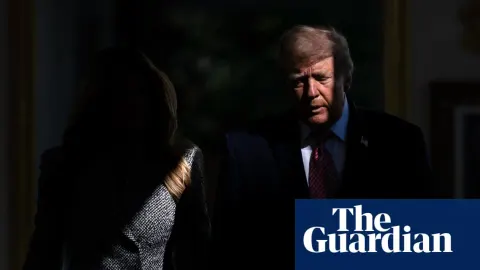
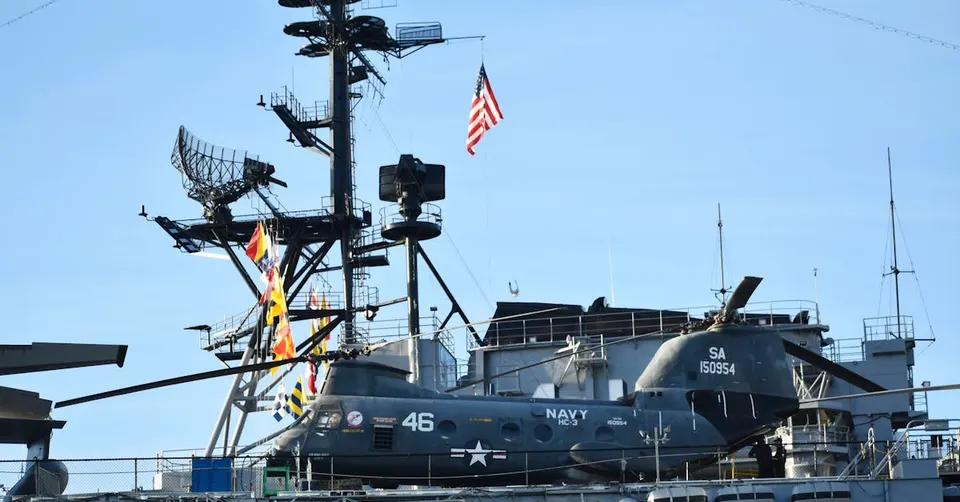
In a move that has caught global markets by surprise, President Donald Trump has officially paused 'Project Freedom'—the aggressive military operation aimed at forcing maritime passage through the Strait of Hormuz—just 50 hours after its initial announcement. The sudden cessation of the operation suggests a strategic recalibration in Washington, likely prompted by the immense logistical risks and the threat of a full-scale naval confrontation with the IRGC. For the Iranian market, this pause acted as a pressure valve; the USD/IRR exchange rate, which had been flirting with record highs, saw a significant correction. The sell rate for USD moved from 181,300 down to 175,100, representing a 3.4% decrease in just 24 hours.
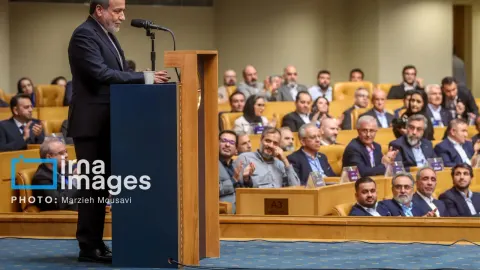
Despite the military pause, the diplomatic front remains icy. Iranian Foreign Ministry officials have characterized the latest U.S. proposal to end the conflict not as a serious diplomatic overture, but as a "wish list" that ignores Tehran's core security demands. This rhetorical gap suggests that while the immediate threat of a naval blockade may have receded, the underlying geopolitical tension is far from resolved. Investors in Tehran are currently navigating a landscape of extreme volatility, where a single tweet or official statement can shift the value of the Toman by thousands of units within minutes. The market's reaction today is less about a belief in long-term peace and more about a short-term relief that a total blockade has been avoided for now.
Global Economic Fallout: From European Rail to Global Jet Fuel
The ripple effects of the standoff in the Middle East are now being felt thousands of miles away in the European tourism and transport sectors. Trainline, the UK-based rail ticketing giant, reported a significant hit to its revenues, citing a sharp decline in foreign visitors to Europe who are deterred by the escalating geopolitical instability. The company warned that revenues could remain flat or decline over the coming year as inbound air traffic into Europe softens. This highlights a critical reality of the 2026 economy: regional conflicts no longer stay regional. The fear of a wider war involving Iran has created a "risk-off" sentiment among global travelers, impacting everything from high-speed rail bookings in France to luxury retail in London.
Furthermore, the energy sector continues to bleed into the daily lives of consumers worldwide. The average U.S. gasoline price has topped $4.50 per gallon, nearing a four-year high as the conflict drains global fuel inventories. This surge in energy costs has forced airlines to cut nearly 13,000 flights in May alone, removing two million seats from the global market. For Iranian observers, these global pressures are a double-edged sword. While higher oil prices theoretically benefit the national budget, the systemic disruption of global trade and the resulting inflation in imported goods often offset these gains. The contraction in global aviation and tourism serves as a somber reminder that the cost of the Hormuz crisis is being paid by consumers at gas pumps and airport terminals across the globe.
Moral Frictions: Pope Leo and the Nuclear Rhetoric
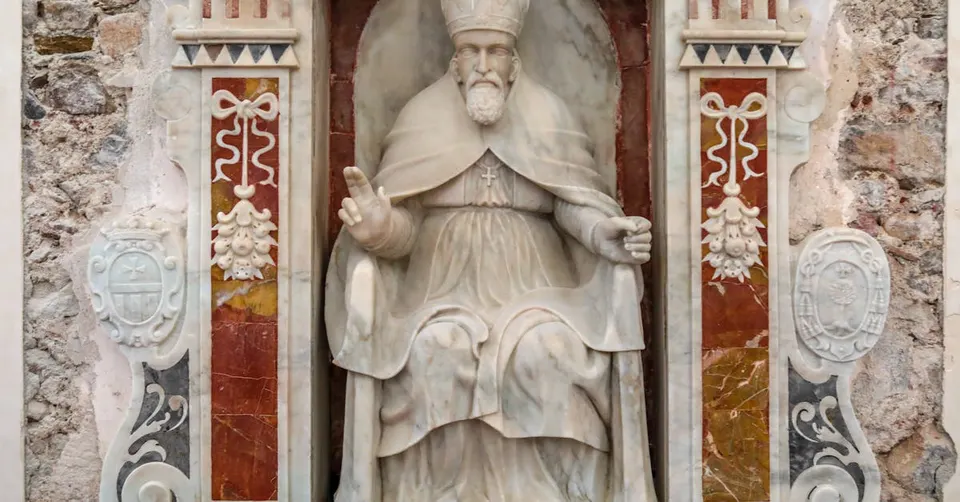
In an extraordinary development at the intersection of religion and geopolitics, Pope Leo—the first Chicago-born Pontiff—has publicly rebuked President Trump’s claims regarding the Church's stance on the Iran conflict. Following a tirade by Trump accusing the Pope of "endangering Catholics" by opposing military escalation, the Pontiff clarified from Castel Gandolfo that the mission of the Church remains centered on peace, not the endorsement of nuclear or conventional warfare. This public spat adds a new layer of complexity to the domestic political landscape in the United States, potentially alienating Catholic voters who are caught between their religious leadership and the President’s "Project Freedom" doctrine.
This moral friction comes at a time when the U.S. administration is also facing internal scrutiny over its personnel. Howard Lutnick, the Commerce Chief, is set to face a closed-door interview regarding his past ties to Jeffrey Epstein, a story that continues to haunt the administration’s credibility. For the Iranian leadership, these internal American divisions—both moral and political—are viewed as opportunities to highlight the perceived instability of the U.S. position. As gold prices in Tehran show a slight retreat, with the Emami coin dropping 1.5% to 192,000,000 Toman, the focus remains on whether these internal Western pressures will eventually force a more permanent de-escalation in the Persian Gulf.
Frequently Asked Questions
Why did Donald Trump pause 'Project Freedom'?
How has the USD/IRR exchange rate responded to the news?
What did the Iranian Foreign Ministry mean by calling the U.S. proposal a 'wish list'?
How is the Middle East crisis affecting global travel?
Topics
Related Articles