UK Politics Roiled by Farage Pact Hints Amid Iran War Economic Fears; Norway Reopens Gas Fields
جنجال سیاسی بریتانیا بر سر ائتلاف با فاراژ در سایه نگرانیهای اقتصادی جنگ ایران؛ نروژ میادین گازی را بازگشایی میکند
UK politics faces fresh turmoil as a Conservative leader's remarks about working with Nigel Farage spark accusations, with the underlying economic anxieties explicitly linked to the "Iran war." Simultaneously, Norway reopens major North Sea gas fields, a direct response to soaring energy prices driven by Middle East conflict, while Morgan Stanley enters the crypto trading arena.
At time of publishing
USD
177,100
Toman
Gold 18K
19.99M
Toman / gram
Bitcoin
$81,758
US Dollar
Tether
17,707.733
Toman
UK Politics and the Shadow of the Iran War
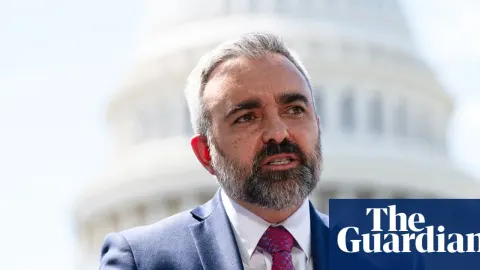
The UK political landscape is currently experiencing a significant tremor following comments from Conservative leader Kemi Badenoch, who hinted at a willingness to approve council pacts with Nigel Farage's party. This suggestion has drawn sharp criticism from the Liberal Democrats, who accuse Badenoch of potentially paving the way for Farage to enter Downing Street. The controversy underscores the deepening fragmentation within British politics and the strategic dilemmas facing the Conservative party as it navigates a challenging electoral environment. Such political maneuvering, especially involving figures like Farage, often signals a shift in mainstream political discourse and could have long-term implications for the country's governance and international stance.
Adding another layer of complexity to the domestic political drama, economic anxieties are explicitly being linked to global events, specifically the "Iran war." A Labour party spokesperson, while criticizing Green party leader Zack Polanski on another matter, also referenced the broader economic context, stating that "The truth is, with the effect of the Iran war, we can’t count" on predictable interest rate cuts or stable unemployment figures. This direct acknowledgment of a distant conflict's impact on UK domestic economic policy highlights how interconnected the global economy has become. For Iranian readers, this connection is particularly salient, as it demonstrates how events in the Middle East are not merely regional concerns but have tangible, acknowledged repercussions even in major Western economies, influencing confidence and currency expectations worldwide.
Norway Reopens Gas Fields Amid Middle East Tensions
In a move set to significantly impact global energy markets, the Norwegian government has faced a fierce backlash for its decision to reopen three North Sea gas fields, nearly three decades after they were initially closed. This controversial approval also extends to allowing oil and gas companies to explore 70 new locations across the North Sea, Barents Sea, and Norwegian Sea. The decision comes as a direct response to the "sharp price rises in oil and gas since the US and Israel’s attack on Iran in February," which has created substantial gaps in global energy supplies and driven up costs for consumers and industries worldwide.
This strategic shift by Norway underscores the profound and immediate consequences of geopolitical instability in the Middle East on international energy security. With the region experiencing heightened tensions, including the specific reference to actions involving the U.S., Israel, and Iran, nations are scrambling to secure alternative energy sources and stabilize prices. While environmental groups vehemently oppose the move due to climate concerns, the Norwegian government's prioritization of energy supply over long-term environmental commitments reflects the severe pressure exerted by the current global energy crunch. For Iranian citizens, this development is a critical indicator of how regional conflicts translate into global energy reconfigurations, potentially influencing the demand for Iranian oil exports, international trade dynamics, and domestic energy prices.
Morgan Stanley Enters Crypto Trading, Markets React
Wall Street giant Morgan Stanley is making a significant foray into the cryptocurrency trading arena, launching an E*Trade pilot program designed to compete with established crypto platforms like Coinbase, Robinhood, and Charles Schwab. This move signals a growing institutional acceptance of digital assets, as a major traditional financial player commits to offering direct crypto trading services to its clientele. Morgan Stanley is reportedly charging a competitive 50 basis points (0.50%) per crypto trade, positioning itself to attract a broad base of investors seeking a more integrated financial experience that includes both traditional and digital assets.
This development is more than just a new product offering; it represents a deepening integration of cryptocurrency into mainstream finance. The entry of a behemoth like Morgan Stanley lends considerable legitimacy to the crypto market, potentially encouraging other large institutions to follow suit and bringing greater liquidity and stability to the ecosystem. For Iranian investors, who often look to cryptocurrencies like Bitcoin (BTC: 81,758 USD) and Ethereum (ETH: 2,365.76 USD) as hedges against local currency fluctuations or as alternative investment avenues, this institutional embrace could enhance global market confidence. While the local USDT (Toman: 17,708) exchange rate remains a key metric, the broader professionalization of crypto trading could influence long-term valuation and accessibility for those navigating global financial markets from Iran.
The Plight of Narges Mohammadi and Local Market Movements
The international community is raising urgent alarms regarding the health of Narges Mohammadi, the jailed Iranian Nobel Peace Prize laureate, who is reportedly at risk of dying in custody without immediate and proper medical care. Mohammadi has allegedly suffered two suspected heart attacks in recent weeks, intensifying calls from human rights organizations and global leaders for her release and access to adequate treatment. Her imprisonment and deteriorating health continue to draw significant international attention to human rights conditions within Iran, placing renewed scrutiny on the nation's judicial practices.

This ongoing situation is not merely a humanitarian crisis but also carries geopolitical weight. It impacts Iran's international standing, potentially influencing diplomatic relations, trade negotiations, and foreign investment. The international focus on high-profile cases like Mohammadi's often contributes to broader perceptions of a country's stability and adherence to international norms. Meanwhile, on the domestic economic front, the Iranian market has seen some notable shifts. The USD/IRR exchange rate moved from 181,300 to 177,100, marking a -2.3% decrease in the dollar's value against the Toman over the last 24 hours. Concurrently, gold prices experienced slight adjustments, with Gold 18k/gram moving from 20,009,464 to 19,993,536 Toman (-0.1%), and the Emami coin seeing a -1.0% dip from 195,000,000 to 193,000,000 Toman. These market movements reflect the intricate interplay of global geopolitical events, domestic confidence, and everyday economic realities for Iranian citizens.
South Korea's Economic Boom Amid Global Uncertainty
Amidst global geopolitical tensions and economic anxieties, South Korea's stock market has emerged as a remarkable outlier, showcasing a robust performance that has captured international attention. The Kospi index has surged an impressive 75% this year, nearly tripling over the last 52 weeks, making it the hottest stock market globally. This exceptional growth is epitomized by Samsung Electronics, which recently hit a staggering $1 trillion market capitalization, underscoring the strength and dynamism of South Korea's technology and electronics sectors. The underlying reasons for this boom are multifaceted, likely stemming from strong global demand for semiconductors, innovative technological advancements, and strategic industrial policies.
The South Korean economic success story provides a fascinating counterpoint to the more volatile global landscape, demonstrating that significant growth pockets exist even when other regions grapple with conflict and inflation. For investors and policymakers worldwide, it offers insights into sectors and strategies that can thrive in a complex economic environment. While the direct impact on the Iranian economy might seem distant, the global flow of capital and the performance of major international markets invariably influence overall investor sentiment and risk appetite. Such strong performances in key global economies can sometimes indirectly stabilize or influence commodity prices and trade flows, which eventually filter down to affect the broader Middle East and its economic outlook.

Frequently Asked Questions
How does the "Iran war" mentioned in UK politics affect Iranian citizens?
Why is Norway reopening North Sea gas fields after three decades?
What does Morgan Stanley's entry into crypto trading mean for the market?
What is the current situation regarding Narges Mohammadi?
How have Iranian domestic markets performed recently?
Geopolitical Risk and its Impact on Global Energy Markets
Geopolitical risk refers to the potential for political events, such as conflicts, instability, or shifts in international relations, to disrupt global markets and economic activity. Among all sectors, energy markets are arguably the most vulnerable to these risks due to the concentrated nature of production in politically sensitive regions and the critical role of specific transit routes. The "Iran War Economic Fears" mentioned in the headline vividly illustrates how even the prospect of conflict in a major oil and gas producing region can send shockwaves through global energy prices and trigger widespread economic anxiety.
The unique vulnerability of energy markets stems from several factors. A significant portion of the world's oil and natural gas reserves are located in regions prone to political volatility, such as the Middle East. Furthermore, critical maritime choke points, like the Strait of Hormuz—a vital passage for oil tankers from the Persian Gulf—are essential for global supply. Any threat to these routes, real or perceived, can immediately impact supply expectations, driving up the price of crude oil and natural gas, which are fundamental inputs for nearly every sector of the global economy.
When geopolitical tensions escalate, the mechanism of impact is twofold: actual supply disruptions and fear-driven speculation. While a direct conflict could physically impede oil and gas flows, the mere fear of such an event can lead traders and markets to price in a "risk premium," causing energy costs to surge. This surge in energy prices then cascades through the economy, fueling inflation, increasing transportation and manufacturing costs, and ultimately dampening consumer spending and investment, leading to broader "economic fears" and potentially recessionary pressures.
In response to such vulnerabilities, nations and energy producers often seek to enhance energy security through diversification of supply and strategic reserves. The news of "Norway Reopens Gas Fields" can be seen in this context. As a significant producer of North Sea gas, Norway plays a crucial role in European energy security. Increasing its output can help mitigate potential supply shortfalls elsewhere, stabilize prices, and reduce reliance on more volatile sources, thereby cushioning the economic impact of geopolitical risks originating from regions like the Middle East.
Understanding this intricate interplay between geopolitics and energy markets is crucial for comprehending global economic stability and national security in an interconnected world. It highlights how events far from one's borders can directly influence daily living costs and the broader economic outlook.
Topics
Related Articles