USD Tumbles 2.8% as Iran Deal Hopes Simmer; Global Markets React
دلار ۲.۸٪ سقوط کرد؛ امید به توافق ایران و واکنش بازارهای جهانی
The US dollar has seen a significant 2.8% drop against the Iranian Toman today, as markets react to cautious optimism surrounding potential de-escalation in US-Iran tensions. Meanwhile, a former SNP leader has been jailed, and Ted Turner, the visionary behind CNN, has passed away.
At time of publishing
USD
176,300
Toman
Gold 18K
20.01M
Toman / gram
Bitcoin
$81,496
US Dollar
Tether
17,674.5
Toman
USD Plummets Amid Shifting Iran Standoff Narratives
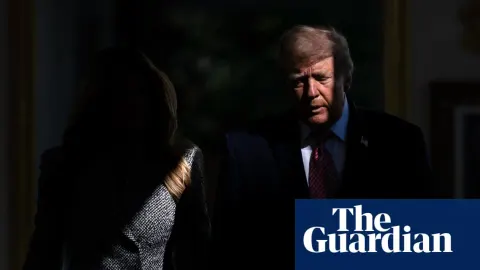
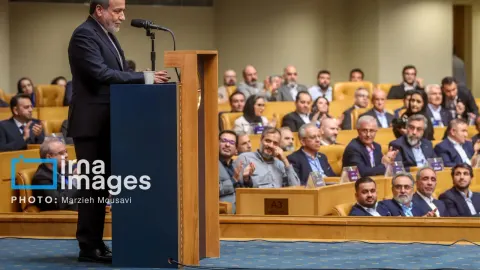
The US dollar experienced a sharp decline today, moving from 181,300 to 176,300 Toman, a 2.8% depreciation. This significant market movement appears to be a direct response to evolving geopolitical signals concerning Iran. Reports suggest that while President Trump continues to issue ultimatums, there are also indications of stalled negotiations and potentially a 'structured pause' rather than a definitive resolution to the current crisis. This ambiguity, coupled with efforts by figures like French President Macron to encourage the reopening of the Strait of Hormuz, has injected a degree of cautious optimism into regional and global markets, leading investors to re-evaluate their currency positions.
The implications for the Iranian economy are multifaceted. A stronger Toman could, in theory, ease inflationary pressures by making imports cheaper, but the underlying geopolitical instability remains a significant overhang. For international trade, a more stable Strait of Hormuz is crucial, and any perceived de-escalation, however tentative, is likely to be met with a risk-on sentiment, affecting commodity prices and currency valuations across the board. The market's rapid reaction underscores the sensitivity of global finance to developments in the Persian Gulf.
---
Former SNP Leader Jailed for Serious Offences
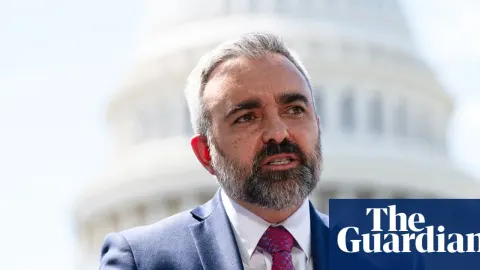
In a stark development from the UK, Jordan Linden, a former SNP council leader, has been sentenced to 18 months in prison. The conviction stems from sexual offences committed against young men and boys over a decade, between 2011 and 2021. The trial at Falkirk sheriff court heard evidence of five sexual assaults, and notably, that complaints about Linden's behaviour had allegedly been 'downplayed or ignored' by the SNP, a party once considered a rising force in Scottish politics.
This conviction marks a significant fall from grace for Linden, who was once viewed as a promising figure within the Scottish National Party. The details emerging from the trial, including the alleged internal handling of complaints, raise serious questions about governance and accountability within the party. While this is a domestic UK political and judicial matter, such scandals can, in broader terms, impact public trust in political institutions, a sentiment that can ripple globally, affecting investor confidence and perceptions of stability in allied nations.

---
Ted Turner, Visionary Media Mogul, Dies at 87
Ted Turner, the pioneering entrepreneur who revolutionized the media landscape by creating CNN and building a vast cable empire encompassing news, sports, and entertainment, has passed away at the age of 87. Turner's innovative spirit and relentless drive fundamentally altered how the world consumed information, establishing the 24-hour news cycle and providing a global platform for diverse content.
His legacy extends beyond television; Turner was also a significant philanthropist and a prominent figure in environmental advocacy. The creation of CNN, in particular, had a profound impact on global geopolitics and public awareness, offering immediate, unfiltered reporting from around the world. His passing marks the end of an era in media, but his influence on journalism and broadcasting continues to resonate, shaping the very fabric of modern communication and news dissemination.

Frequently Asked Questions
Why did the US dollar fall against the Iranian Toman today?
What was the significance of the news about the former SNP leader?
Who was Ted Turner and why is his passing significant?
How are geopolitical developments influencing market prices?
Understanding Iran’s Dual Exchange Rate System
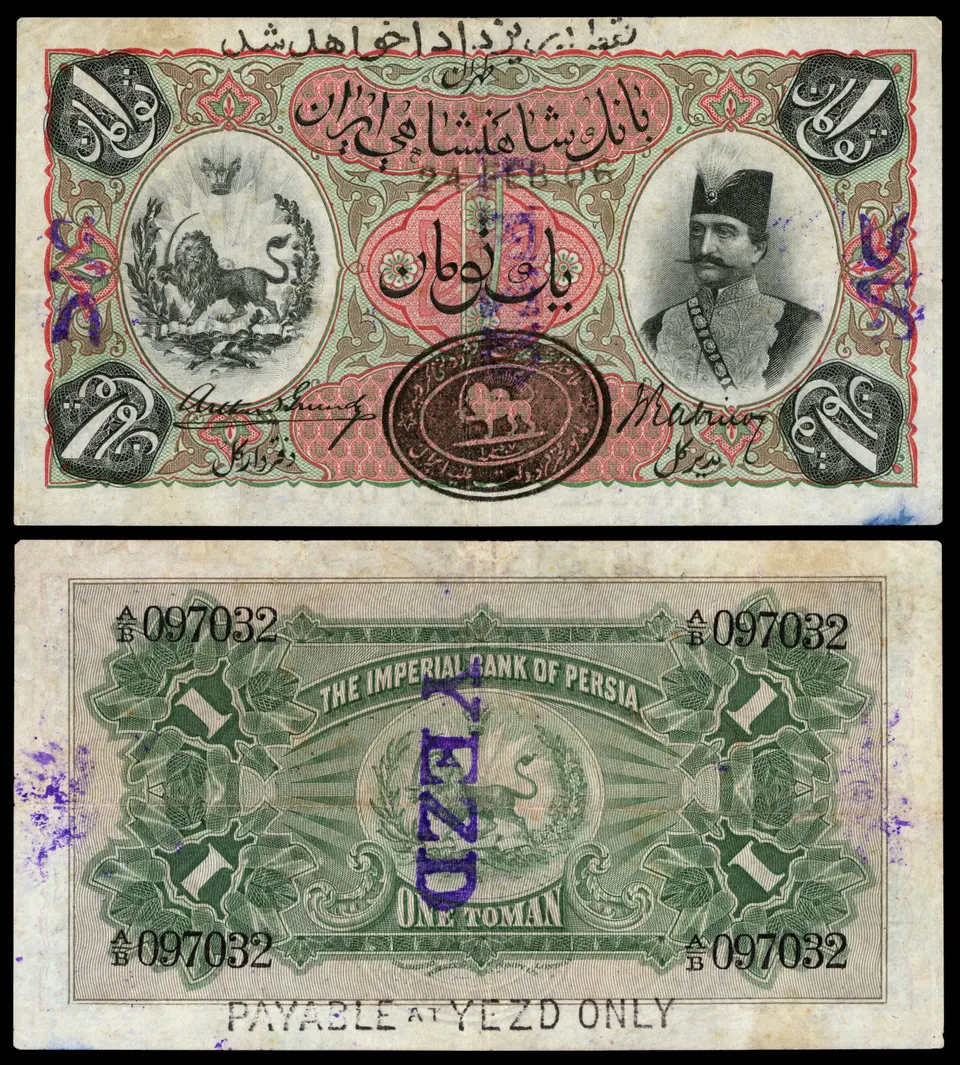
When you see a headline like “USD tumbles 2.8% as Iran deal hopes simmer,” the underlying driver is often the way a country’s currency is priced. Iran operates a dual exchange‑rate regime: an official rate set by the Central Bank for essential imports and government transactions, and a parallel “free‑market” rate that reflects what businesses and individuals are actually willing to pay. The official rate is kept artificially high (i.e., a weaker rial) to conserve foreign reserves, while the free‑market rate can diverge dramatically, sometimes by more than 10‑fold.
This split emerged after years of U.S. and EU sanctions that cut Iran off from the global SWIFT system and limited its ability to earn hard currency. With oil sales restricted, the government could no longer rely on a steady inflow of dollars to support the official rate, so a black‑market emerged where exporters, importers, and smugglers traded dollars for rials at market‑determined prices. The gap between the two rates becomes a barometer of sanction pressure: the wider the gap, the more strained the economy.
For ordinary Iranians, the dual system has real consequences. Salaries and pensions are often paid in the official rate, which quickly loses purchasing power as inflation spikes. Meanwhile, the price of imported goods—food, medicine, technology—is set at the free‑market rate, making everyday items far more expensive. This mismatch fuels public frustration and can influence political negotiations, such as the stalled nuclear deal that investors watch closely.
Policymakers try to narrow the spread by tightening capital controls, subsidizing essential imports, or negotiating limited sanction waivers. However, any abrupt move to align the official rate with the market can trigger a sharp devaluation, as seen in the recent 2‑3% drop of the U.S. dollar against the rial when market sentiment shifted. Understanding this mechanism helps explain why currency headlines often precede geopolitical news and why investors watch the rial’s dual rates as a proxy for Iran’s diplomatic outlook.
Topics
Related Articles