Tehran Weighs Trump’s Peace Terms as Dollar Stalls and Regional Environmental Crisis Looms
تهران در دو راهی طرح صلح ترامپ؛ درجا زدن دلار و بحران زیستمحیطی ۱۶ میلیون تنی در منطقه
As Tehran reviews a U.S. peace proposal under the shadow of Trump’s military threats, the Iranian Toman has recovered 3% in 24 hours. Meanwhile, environmental experts warn of a long-term toxic legacy in Lebanon with 16 million tons of war-generated rubble threatening the regional ecosystem.
At time of publishing
USD
175,900
Toman
Gold 18K
19.96M
Toman / gram
Bitcoin
$81,303
US Dollar
Tether
17,758.7
Toman
The Toxic Legacy: 16 Million Tons of Rubble
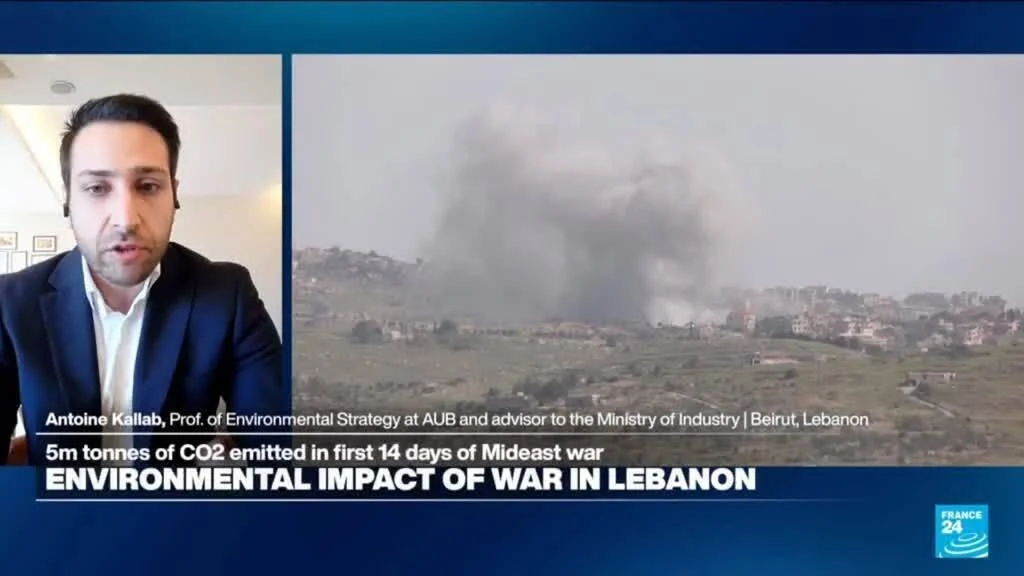
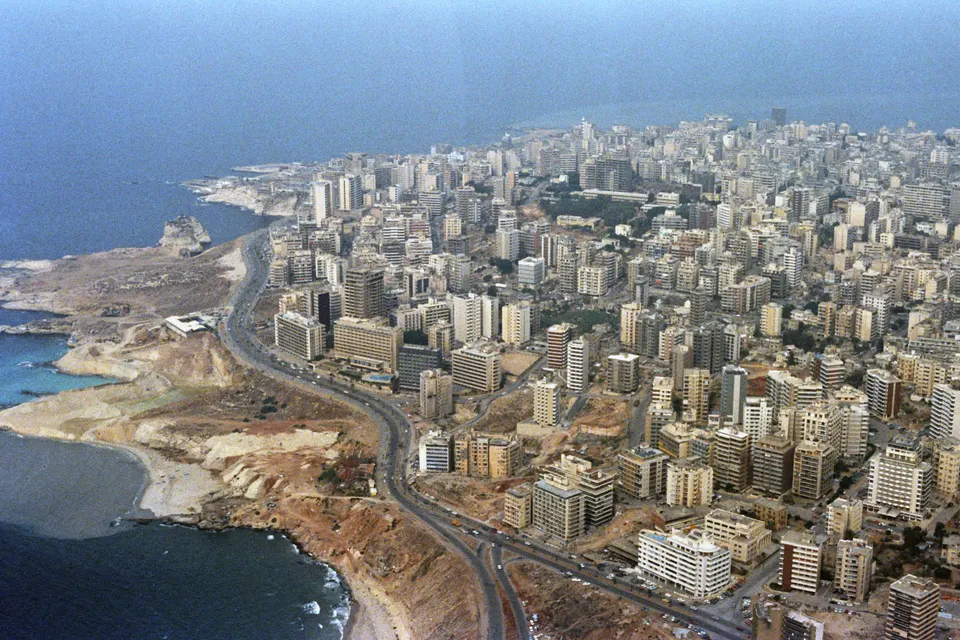
While the world focuses on the immediate diplomatic dance between Washington and Tehran, a secondary disaster is unfolding across the Levant that could haunt the region for decades. According to Antoine Kallab, Associate Director at the American University of Beirut (AUB), the ongoing conflict has generated a staggering 16 million tons of rubble in Lebanon alone. This isn't just concrete and twisted metal; beneath the ruins lie heavy metals, asbestos, and toxic materials from modern munitions that threaten to contaminate groundwater and soil irreversibly.
This environmental collapse is more than a local tragedy; it represents a systemic failure of regional governance. As states weaken under the weight of war and displacement, the ability to manage reconstruction or prevent long-term health crises vanishes. For Iran and its neighbors, this means a future of increased healthcare costs, agricultural degradation, and a permanent loss of habitable land. The disaster is never truly over until the root causes are addressed, yet the environmental bill for this war is already coming due before the first permanent ceasefire is even signed.
Diplomacy Under Duress: Tehran Considers the 'American Plan'
The geopolitical atmosphere at 22:00 Tehran time remains thick with tension as Iranian officials confirm they are reviewing a formal U.S. proposal to end the current hostilities. This diplomatic opening comes at a brutal cost: President Trump has threatened to restart or escalate strikes if a deal is not reached, a threat underscored by the recent disabling of an Iranian-flagged tanker by U.S. warplanes. Despite the aggressive posture from the White House, the Iranian Foreign Ministry maintains that the country has attained an "elevated international standing" during this period of conflict, suggesting they are negotiating from a perceived position of strength.
Market reaction to these diplomatic whispers has been swift and decisive. In the last 24 hours, the USD/IRR exchange rate has tumbled from 181,300 to 175,900, marking a significant 3.0% appreciation for the Toman. This recovery reflects a cautious optimism among traders that the "Trump threats" might actually be the precursor to a grand bargain rather than a total war. However, the volatility remains high; any breakdown in these closed-door talks could see the currency spiral back toward record lows as quickly as it recovered.
The Stagnant Dollar: A Warning for Global Markets
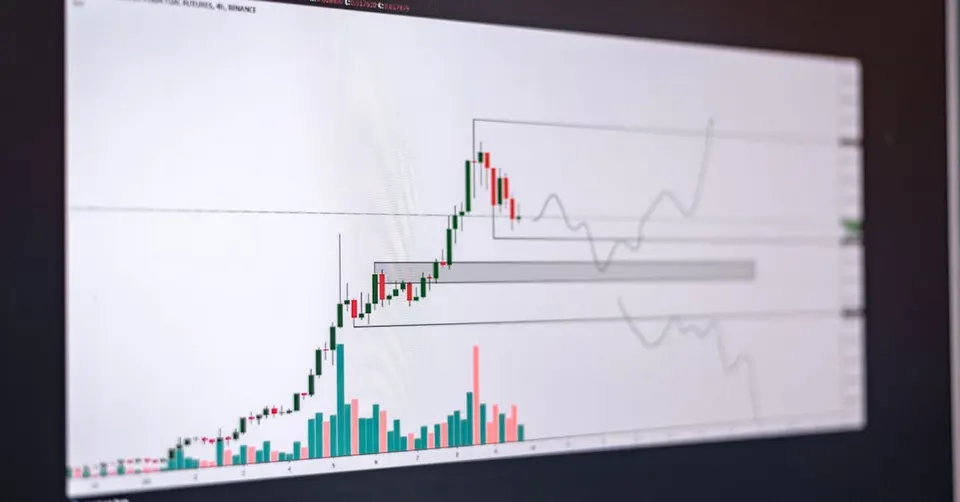
One of the most perplexing signals in the global economy right now is the relative weakness of the U.S. Dollar. Despite a major regional war involving Iran and ongoing geopolitical uncertainty—factors that traditionally drive investors toward the safety of the greenback—the dollar is failing to rally. Analysts at MarketWatch note that although the dollar has returned to its pre-war levels, it is not showing the "safe haven" surge many expected. This lack of momentum is a red flag for Meta and other global tech giants, as it suggests the market may be pricing in a long-term decline in U.S. fiscal dominance or a shift in how global risk is managed.
For Iranian investors and households, this global dollar stagnation provides a rare window of breathing room. If the dollar isn't rallying globally, the pressure on the Toman is purely domestic and regional. This explains why gold prices in Tehran have remained relatively stable despite the currency recovery; Gold 18k/gram moved from 20,009,464 to 19,963,987, a minor dip of 0.2%. As long as the dollar remains unconvincing on the international stage, the Toman’s recovery has a much higher ceiling, provided the diplomatic track stays open.
Sanctions Evasion and the Central Asian Corridor
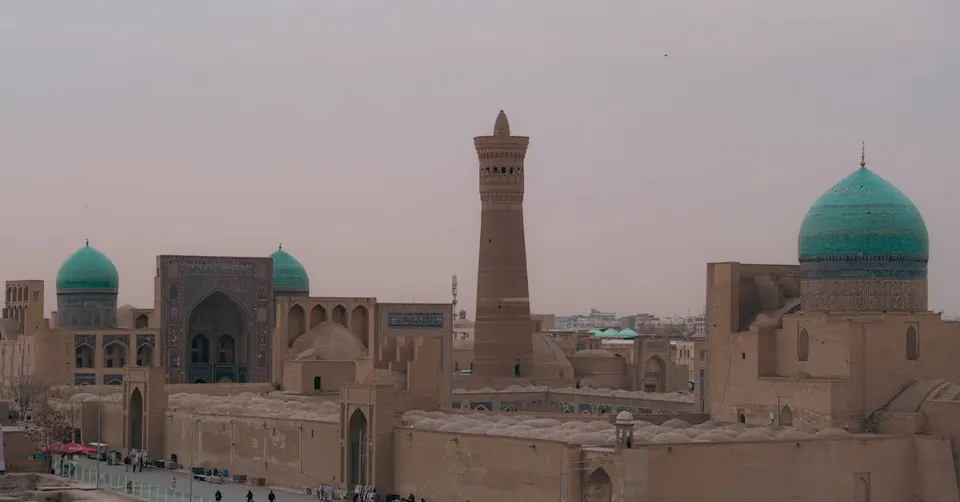
While the Middle East burns, a new economic map is being drawn in Central Asia. A recent report from the Center for Global Civic and Political Strategies (CGCPS) highlights how a "Central Asian Corridor" is now the primary engine for Russia’s wartime trade, allowing it to bypass Western sanctions with remarkable efficiency. This network isn't just about Russia; it provides a blueprint for Iran and other sanctioned nations to maintain logistical and financial lifelines. The corridor serves as a conduit for high-tech components and energy products, effectively neutralizing the "maximum pressure" tactics favored by the current U.S. administration.
This shift in trade dynamics means that even if a peace deal is signed between Tehran and Washington, the economic landscape has changed forever. The reliance on Western financial systems is being replaced by regional diversion networks that are harder to track and impossible to shut down without alienating multiple sovereign states. For the reader, this means that the long-term value of assets like Bitcoin (currently at $81,303) and gold remains high, as these assets exist outside the reach of the increasingly porous traditional sanctions regimes.
Frequently Asked Questions
Why is the Iranian Toman recovering despite military threats?
What is the 'Central Asian Corridor' and why does it matter to Iran?
How does the rubble in Lebanon affect the broader region's economy?
Why isn't the global US Dollar rallying during this war?
Understanding Iran’s Parallel (Black Market) Exchange Rate
When a country faces heavy international sanctions, its official foreign‑exchange market often cannot meet the demand for hard currencies such as the U.S. dollar. In Iran, the government sets an official USD/IRR rate, but because the supply of dollars is limited, a parallel or "black market" rate emerges where the rial trades at a much lower value. This dual‑rate system creates a stark gap – in May 2026 the official rate hovered around 42,000 rials per dollar, while the black‑market rate was trading near 550,000 rials per dollar, reflecting the true scarcity of dollars in the economy.
The black‑market rate is more than a curiosity; it directly influences inflation, wages, and the cost of imported goods. Businesses that need foreign currency for imports must either obtain it through the official channels at a premium or turn to the parallel market, passing higher costs onto consumers. This dynamic also fuels the popularity of alternative stores of value, such as gold and cryptocurrencies like Bitcoin, which can be bought in the black market to preserve wealth when the rial is rapidly depreciating.
Sanctions‑evasion mechanisms further complicate the picture. Entities in Central Asia, the Gulf, and elsewhere often use trade‑based money‑laundering, shell companies, and crypto wallets to move dollars into Iran without triggering official controls. These flows sustain the parallel market but also expose the economy to volatility, as any crackdown can cause sudden spikes in the black‑market rate. Understanding this dual‑exchange system is crucial for anyone tracking Iran’s macro‑economic health, the impact of U.S. policy, or the regional environmental and geopolitical crises that intertwine with economic stability.
For policymakers, the existence of a robust black‑market rate signals that official exchange‑rate policies are out of sync with market realities. Adjusting the official rate closer to the parallel market, or easing sanctions to increase dollar inflows, are two levers that could narrow the gap, reduce inflationary pressures, and stabilize the Iranian economy.
Key take‑away: The parallel exchange rate is a barometer of sanctions pressure, dollar scarcity, and economic resilience in Iran, shaping everything from everyday prices to the appeal of gold and Bitcoin as hedges against currency risk.
Topics
Related Articles