Last Hormuz Tanker Hits California as Trump’s Team Pushes for Surprise Iran Deal
آخرین نفتکش هرمز به کالیفرنیا رسید؛ فشار تیم ترامپ برای توافق غیرمنتظره با ایران
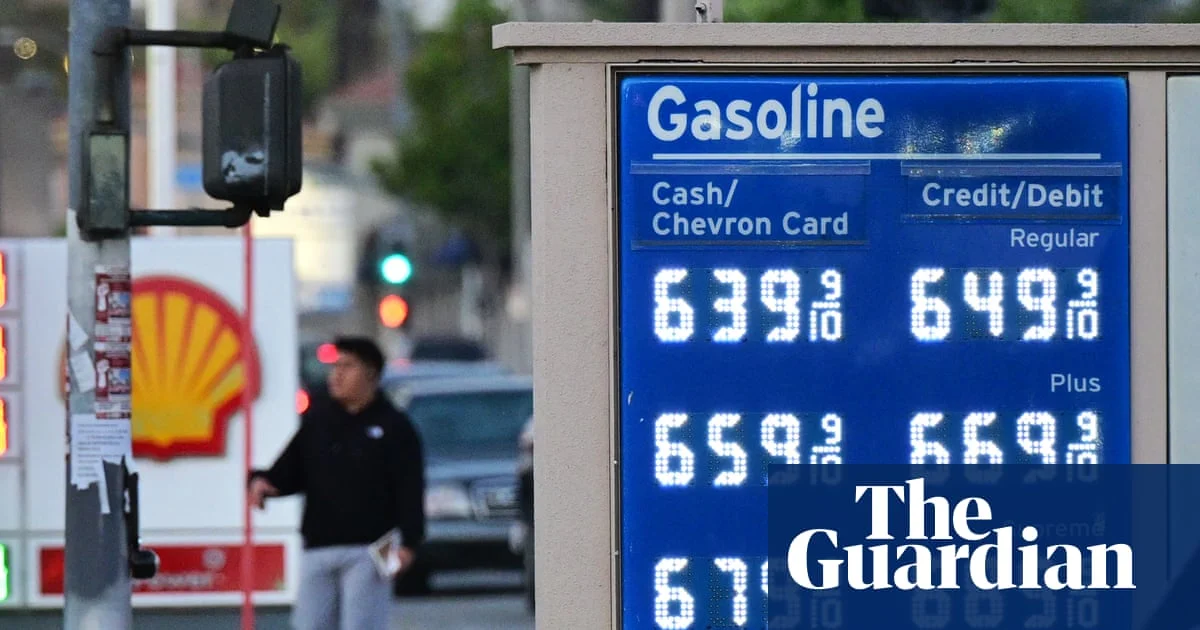
As the final pre-crisis oil shipment from the Middle East arrives in Los Angeles, gas prices have spiked past $6, highlighting the physical cost of the Hormuz standoff. Meanwhile, internal pressure on Donald Trump to accept a revised peace deal has sent the Iranian Toman up by nearly 3%.
At time of publishing
USD
176,000
Toman
Gold 18K
19.96M
Toman / gram
Bitcoin
$81,275
US Dollar
Tether
17,735.1
Toman
The Last Tanker and the Reality of Energy Scarcity
The arrival of the "New Corolla" at the Port of Long Beach, California, marks a somber milestone in the ongoing Strait of Hormuz standoff. Carrying approximately 2 million barrels of Iraqi crude oil, this vessel represents the final shipment that cleared the waterway before the current escalation effectively shuttered regular commercial transit. With California’s average gas prices already exceeding $6 per gallon, the exhaustion of this maritime "pipeline" signals a shift from speculative market fear to tangible supply shortages. Local refineries are now bracing for a period of extreme volatility as they scramble to find alternative sources outside the Persian Gulf.
For the global economy, this isn't just a localized issue for West Coast commuters. It serves as a stark demonstration of the fragility of the world’s most critical energy artery. As long as the Strait remains a theater of geopolitical brinkmanship, the premium on energy will persist, driving structural inflation and complicating the Federal Reserve's interest rate path. For Iranian readers, this tension remains a double-edged sword; while it provides Tehran with significant geopolitical leverage, the resulting regional instability continues to weigh on long-term investment and trade infrastructure.

Trump's Negotiators vs. His Own Instincts
Reports emerging from Washington suggest a fascinating internal struggle within the Trump administration. His senior diplomatic team and economic advisors are reportedly urging the President to accept a new framework for an Iran deal—one that bears striking similarities to proposals he has previously dismissed as "weak." The core of the proposed deal involves a phased reopening of the Strait of Hormuz in exchange for targeted sanctions relief, a move that French President Emmanuel Macron has been championing as essential "breathing room" for the global economy. The challenge remains selling this to a President who built his political identity on "maximum pressure."
The market's reaction to these rumors has been swift. In Tehran, the USD sell rate moved from 181,300 to 176,000 Toman, a notable 2.9% drop that reflects a desperate hope for a diplomatic breakthrough. Similarly, the Emami gold coin fell from 195,000,000 to 193,000,000 Toman (-1.0%), as traders hedged against a potential de-escalation. While the Iranian foreign ministry officially maintains a skeptical tone, the downward pressure on the dollar suggests that the "smart money" is betting on a tactical pause in hostilities rather than an all-out war.
However, the "Trump factor" remains the ultimate wildcard for any investor. The President’s history of last-minute reversals means that until a formal signing ceremony is scheduled, the risk of a sudden pivot back to military posturing remains high. This creates a psychological trap for retail investors in Iran: buying the dip in the Toman might be highly profitable if a deal is struck, but it could lead to significant losses if negotiations collapse over the coming weekend, sending the dollar back toward record highs.

Amazon's $3 Trillion Ascent and the Tech-Energy Divergence
While geopolitics dominates the front pages, Amazon is quietly making history on Wall Street. The retail and cloud giant's stock has seen a resurgence, leaving it less than 2% away from a $3 trillion market capitalization. If it crosses this threshold, Amazon will join an elite club of only four other companies to ever reach such a valuation. This rally is fueled by massive investments in AI-integrated logistics and the continued dominance of Amazon Web Services (AWS), which is increasingly being viewed as the backbone of the new "agentic" AI economy.
This tech-driven optimism creates a sharp contrast with the gloom pervading the energy and physical commodity sectors. It suggests that institutional investors are looking past the immediate regional conflicts in the Middle East, betting instead on long-term productivity gains from semiconductors and advanced computing. For the broader market, Amazon's ascent serves as a reminder that even in a world of $6 gas and shuttered shipping lanes, the digital economy continues to scale. For Iranian tech enthusiasts, the growth of these platforms remains a benchmark for global market health, even if direct access remains restricted by the very sanctions currently under negotiation.
Political Shifts: From Farage's Gold to UK Asylum Battles
In the United Kingdom, the intersection of politics and personal finance is becoming increasingly blurred. Nigel Farage has reportedly earned over £2 million since his election, with a significant portion of that income derived from promoting gold bullion and private financial interests. This comes at a time when global gold prices remain near historic highs, with the 18k gram in Tehran trading at 19,963,987 Toman. Farage’s financial success highlights a growing trend of political figures leveraging economic anxiety to promote "hard assets" as a hedge against fiat currency instability.
Simultaneously, the UK government is facing legal challenges from Sudanese asylum seekers over a plan to halve the "leave to remain" period for refugees. This domestic friction is a direct reflection of the broader global migration crisis, which is often exacerbated by the same regional conflicts that drive oil prices higher. These parallel stories—politicians profiting from gold while refugees fight for basic rights—illustrate a Western political landscape that is turning inward and becoming increasingly transactional, even as it attempts to mediate the explosive situation in the Persian Gulf.

Frequently Asked Questions
Why is the arrival of the 'New Corolla' tanker significant?
What are the chances of Trump accepting the new Iran deal framework?
How did the Tehran market react to these geopolitical shifts?
Is Amazon's $3 trillion valuation related to the Middle East crisis?
The Strategic Importance of the Strait of Hormuz
The Strait of Hormuz, a narrow waterway between Oman and Iran, is one of the world’s most critical maritime chokepoints. Roughly 20% of global oil consumption passes through this 21‑mile‑wide passage each day, making any disruption a potential shock to international energy markets. Because the strait connects the Persian Gulf’s vast oil reserves to the open ocean, even a single tanker incident—like the recent Hormuz‑flagged vessel that docked in California—can trigger headlines about supply security and price volatility.
Geopolitically, the strait sits at the intersection of rival interests. Iran’s ability to threaten closure, either through naval mines or missile attacks, has been a bargaining chip in negotiations over sanctions relief and nuclear agreements. When diplomatic talks, such as the proposed 2026 Trump‑era Iran deal, hint at easing sanctions, market participants watch the Hormuz corridor closely; expectations of smoother flow often translate into lower Brent and WTI prices, which in turn affect gasoline costs on the U.S. West Coast.
The economic concept at play is “strategic chokepoint risk.” Investors and policymakers assess the probability of a blockage and price that risk into oil futures, insurance premiums, and even the valuation of unrelated assets like Amazon’s stock or emerging‑market currencies. A sudden surge in risk premiums can ripple through exchange rates—illustrated by the volatile USD/IRR pair—as investors flee perceived instability. Understanding the Hormuz chokepoint therefore offers a lens into why geopolitical news can move everything from gas pumps in California to the price of a single cryptocurrency token.
Historically, the 1980s Iran‑Iraq War and the 1990‑91 Gulf War both saw brief closures of the strait, each causing sharp spikes in oil prices and prompting the United States to maintain a naval presence in the region. The lesson remains clear: as long as the world relies on Middle‑Eastern oil, the Strait of Hormuz will stay a focal point for both diplomatic leverage and market anxiety.
Topics
Related Articles